
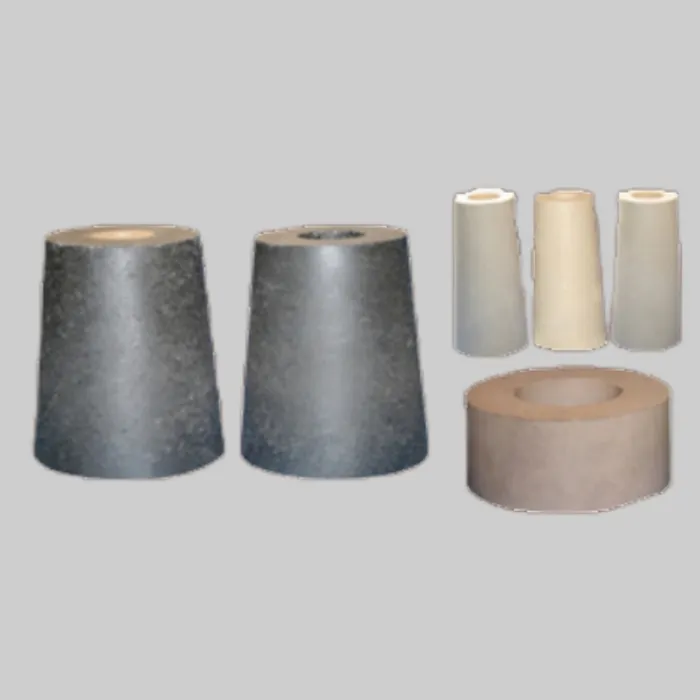
Hey there! As a supplier of tundish nozzles, I've seen firsthand how crucial it is to know when to replace these little but mighty components. Tundish nozzles play a vital role in the continuous casting process, controlling the flow of molten metal from the tundish to the mold. So, let's dive into how you can judge whether a tundish nozzle needs to be replaced.
Visual Inspection
One of the simplest ways to start assessing a tundish nozzle is through a visual inspection. Take a good look at the nozzle's exterior. If you notice any visible cracks, chips, or signs of erosion, it's a red flag. Cracks can compromise the structural integrity of the nozzle, leading to potential leaks or uneven flow of molten metal. Chips might break off and contaminate the metal stream, affecting the quality of the final product.
Erosion is another common issue. Over time, the constant flow of hot molten metal can wear down the inner surface of the nozzle. If you see that the inner diameter has significantly increased or there are areas where the refractory material has been worn away, it's a strong indication that the nozzle is nearing the end of its useful life. For example, if you're using a Zirconia Nozzle, which is known for its high - temperature resistance, even this tough material can succumb to erosion over repeated use.
Flow Rate and Pressure Changes
Monitoring the flow rate and pressure of the molten metal passing through the tundish nozzle is also essential. A sudden change in the flow rate can be a sign of trouble. If the flow rate decreases, it could mean that the nozzle is partially clogged. This clogging can be caused by the build - up of solidified metal or other impurities within the nozzle. On the other hand, an increase in the flow rate might indicate that the nozzle has been eroded, allowing more metal to pass through than it should.
Pressure changes can also give you valuable insights. An abnormal increase in pressure could suggest a blockage, while a drop in pressure might be due to a crack or excessive erosion. You can use flow meters and pressure sensors to keep track of these parameters during the casting process. If you notice any significant deviations from the normal values, it's time to take a closer look at the nozzle.
Quality of the Cast Product
The quality of the cast product can also be a tell - tale sign of a failing tundish nozzle. If you start to see defects such as inclusions, porosity, or uneven surface finish in the castings, the nozzle could be the culprit. Inclusions can occur when pieces of the eroded nozzle material or contaminants from a clogged nozzle are carried into the molten metal and end up in the final product. Porosity might be caused by inconsistent flow of the metal, which can happen if the nozzle is not functioning properly.
For instance, if you're using a Refractory Ladle Nozzle in your ladle - to - tundish transfer, and you start noticing an increase in inclusions in your castings, it could be that the nozzle is wearing out and needs to be replaced.
Operating Time and Temperature
The operating time and temperature of the tundish nozzle are important factors to consider. Every nozzle has a recommended service life based on the expected operating conditions. If you've been using the nozzle for longer than the manufacturer's recommended time, it's a good idea to replace it as a preventive measure.
High - temperature environments can accelerate the wear and tear of the nozzle. The constant exposure to extreme heat can cause the refractory material to expand, contract, and eventually crack. If your casting process involves very high temperatures, you may need to replace the nozzle more frequently. For example, if you're using a Refractory Collector Nozzle in a high - temperature application, you should closely monitor its condition and be prepared to replace it when necessary.
Compatibility with Molten Metal
The type of molten metal being cast also affects the lifespan of the tundish nozzle. Different metals have different chemical compositions and properties, which can react differently with the nozzle material. Some metals are more corrosive than others and can cause faster erosion of the nozzle. For example, casting highly reactive metals might require more frequent nozzle replacements compared to less reactive ones.
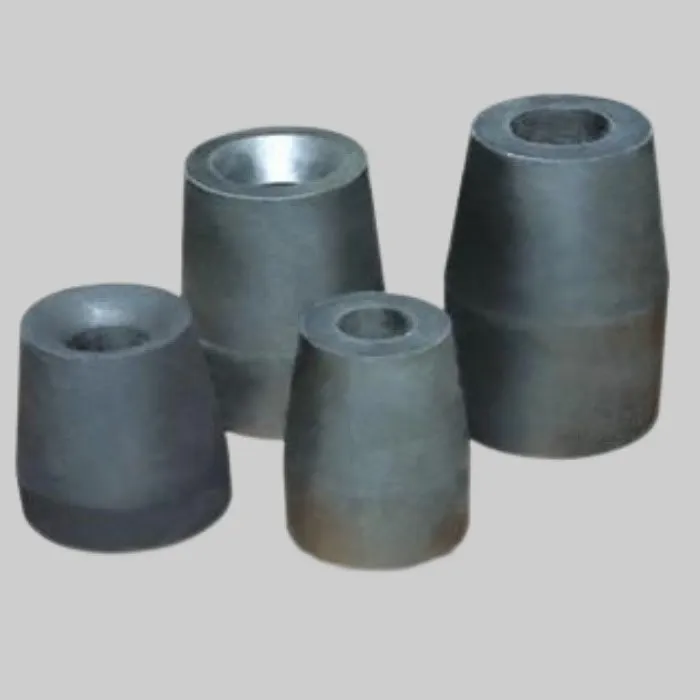
It's important to choose a nozzle material that is compatible with the molten metal you're working with. Make sure to consult with the nozzle supplier (like me!) to select the most suitable nozzle for your specific application.
Monitoring and Maintenance Records
Keeping detailed monitoring and maintenance records can be extremely helpful in determining when to replace a tundish nozzle. By recording the operating conditions, such as temperature, flow rate, and pressure, as well as any visual inspections and maintenance activities, you can identify patterns and trends. For example, if you notice that after a certain number of casting cycles, the nozzle always starts to show signs of erosion, you can set a replacement schedule based on this data.
Regular maintenance, such as cleaning the nozzle to remove any build - up, can also extend its lifespan. However, if despite your best maintenance efforts, the nozzle continues to show signs of deterioration, it's time to make the replacement.
Conclusion
In conclusion, judging whether a tundish nozzle needs to be replaced involves a combination of visual inspection, monitoring flow rate and pressure, assessing the quality of the cast product, considering operating time and temperature, ensuring compatibility with the molten metal, and maintaining detailed records. By paying close attention to these factors, you can avoid costly production interruptions and ensure the quality of your cast products.
If you're in the market for high - quality tundish nozzles or need more advice on nozzle selection and replacement, don't hesitate to reach out. I'm here to help you make the best decisions for your casting process. Let's have a chat about your specific needs and see how we can work together to optimize your operations.
References
- Smith, J. (2020). "Best Practices in Continuous Casting Nozzle Management". Journal of Metallurgical Engineering.
- Johnson, R. (2019). "The Impact of Nozzle Wear on Cast Product Quality". International Journal of Casting Technology.