

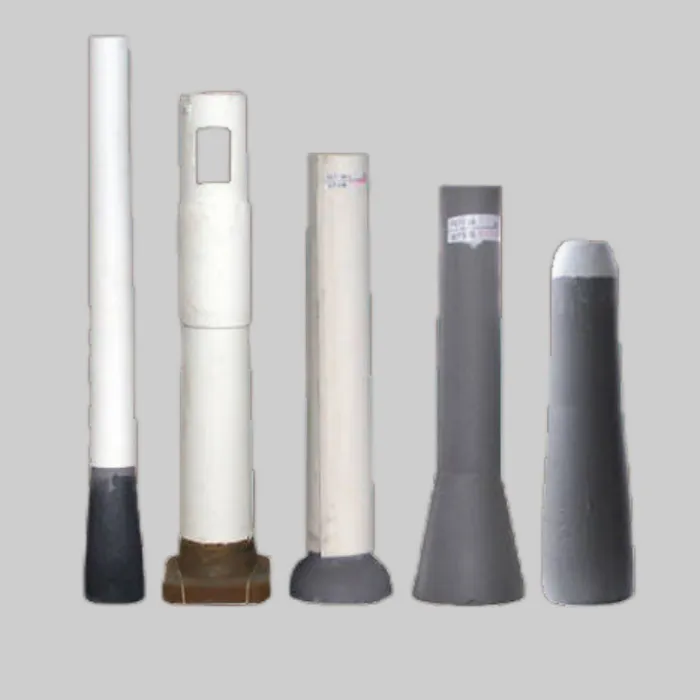
Monolithic stoppers are essential components in the metal casting industry, playing a crucial role in controlling the flow of molten metal from ladles, tundishes, and other containers. As a leading monolithic stopper supplier, we understand the importance of how these stoppers interact with different types of pipes or containers. This interaction can significantly impact the efficiency, quality, and safety of the casting process. In this blog, we will explore the various ways monolithic stoppers interact with different types of pipes and containers, and how these interactions affect the overall casting operation.
Interaction with Ladles
Ladles are large containers used to hold and transport molten metal. Monolithic stoppers are installed at the bottom of ladles to control the flow of molten metal into the next stage of the casting process. The interaction between the monolithic stopper and the ladle is critical for maintaining a stable and controlled flow of metal.
One of the key factors in this interaction is the sealing ability of the monolithic stopper. A proper seal between the stopper and the ladle nozzle is essential to prevent leakage of molten metal. Our monolithic stoppers are designed with high - precision dimensions and advanced refractory materials to ensure a tight seal. The refractory materials used in our stoppers have excellent thermal shock resistance, which allows them to withstand the extreme temperatures and rapid temperature changes that occur during the casting process. This helps to maintain the integrity of the seal over multiple casting cycles.
Another important aspect is the erosion resistance of the monolithic stopper. Molten metal flowing through the ladle nozzle can cause significant erosion of the stopper. Our stoppers are made from high - quality refractory materials that are specifically formulated to resist erosion. For example, some of our stoppers incorporate zirconia or alumina, which have high hardness and chemical stability, reducing the rate of erosion and extending the service life of the stopper.
Interaction with Tundishes
Tundishes are intermediate containers that receive molten metal from ladles and distribute it to multiple molds or casting machines. Monolithic stoppers in tundishes are used to control the flow of metal into the Sub Entry Nozzle and ultimately into the molds.
The interaction between the monolithic stopper and the tundish is similar to that with the ladle in terms of sealing and erosion resistance. However, tundishes operate at a lower temperature compared to ladles, but the flow rate of molten metal may be more complex due to the need for precise distribution. Our monolithic stoppers are designed to provide accurate flow control in tundishes. They can be adjusted to regulate the flow rate according to the specific requirements of the casting process.
In addition, the interaction between the stopper and the tundish also affects the cleanliness of the molten metal. A well - designed monolithic stopper can prevent the entry of slag and other impurities from the tundish into the Sub Entry Nozzle. Our stoppers have a smooth surface finish and a proper shape that helps to minimize the entrapment of impurities, ensuring the quality of the final cast product.
Interaction with Pipes
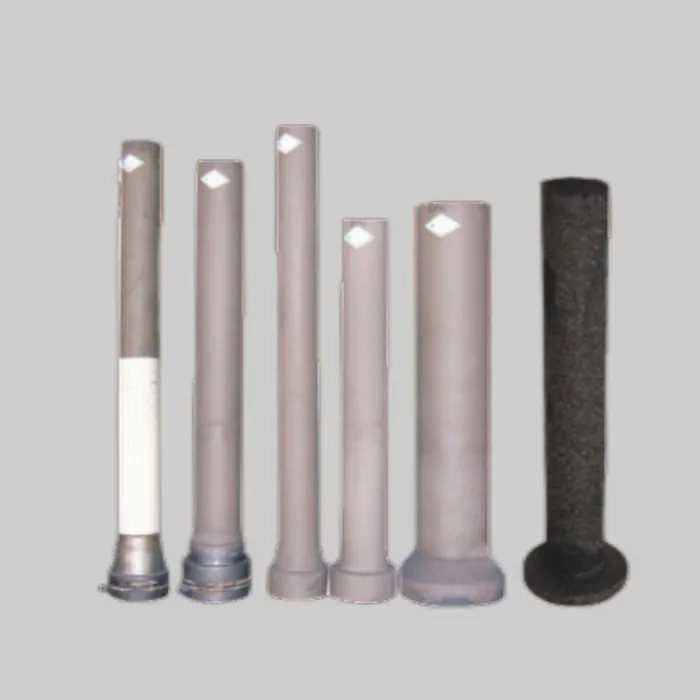
Pipes, such as Ladle Shroud and Tundish Shroud, are used to guide the flow of molten metal from ladles and tundishes to the molds. Monolithic stoppers interact with these pipes to ensure a continuous and controlled flow of metal.
The connection between the monolithic stopper and the pipe is crucial. A proper connection is required to prevent air ingress, which can cause oxidation of the molten metal and affect the quality of the cast product. Our monolithic stoppers are designed to fit seamlessly with the pipes, providing a tight and secure connection. We use advanced manufacturing techniques to ensure that the dimensions of the stopper and the pipe are accurately matched.
The interaction also affects the flow pattern of the molten metal inside the pipe. A well - designed monolithic stopper can help to create a smooth and laminar flow of metal, reducing turbulence and minimizing the formation of air bubbles. This is important for producing high - quality castings with fewer defects.
Impact on Casting Quality
The interaction between monolithic stoppers and different types of pipes or containers has a direct impact on the quality of the cast product. A properly functioning monolithic stopper can ensure a consistent flow of molten metal, which is essential for producing castings with uniform density and composition.
In addition, by preventing leakage, erosion, and the entry of impurities, our monolithic stoppers help to reduce the number of defects in the cast product. For example, a tight seal between the stopper and the ladle or tundish can prevent the formation of blowholes and porosity in the casting. The erosion - resistant properties of our stoppers ensure that the flow rate remains stable over time, reducing the likelihood of uneven filling of the molds.
Impact on Casting Efficiency
Efficiency is another important aspect of the casting process. Monolithic stoppers that interact well with pipes and containers can improve the overall efficiency of the casting operation.
A well - designed stopper can reduce the downtime associated with stopper replacement. Our erosion - resistant stoppers have a longer service life, which means fewer replacements are required during the casting process. This saves time and reduces the cost of production.
In addition, the accurate flow control provided by our monolithic stoppers allows for faster and more precise casting. By regulating the flow rate of molten metal, we can optimize the filling time of the molds, increasing the production rate and improving the overall efficiency of the casting operation.
Conclusion
In conclusion, the interaction between monolithic stoppers and different types of pipes or containers is a complex but crucial aspect of the metal casting industry. As a monolithic stopper supplier, we are committed to providing high - quality stoppers that interact effectively with ladles, tundishes, and pipes. Our stoppers are designed to ensure a tight seal, resist erosion, and provide accurate flow control, which in turn improves the quality and efficiency of the casting process.
If you are in the metal casting industry and are looking for reliable monolithic stoppers, we invite you to contact us for a procurement discussion. Our team of experts can provide you with detailed information about our products and help you choose the right monolithic stopper for your specific needs.
References
- "Refractories in Steelmaking" by John Smith
- "Casting Technology Handbook" edited by Mary Johnson
- Industry reports on metal casting processes and refractory materials