

In the intricate world of chemical reactors, the zirconia nozzle plays a pivotal role. As a trusted zirconia nozzle supplier, I've witnessed firsthand the significance of these components in ensuring the smooth and efficient operation of chemical processes. This blog aims to delve into the working mechanism of zirconia nozzles in chemical reactors, exploring their properties, functions, and the benefits they offer.
Properties of Zirconia
Zirconia, also known as zirconium dioxide (ZrO₂), is a ceramic material renowned for its exceptional properties. These properties make it an ideal choice for use in chemical reactors, where harsh conditions and precise control are often required.
High Temperature Resistance
One of the most notable properties of zirconia is its high melting point, which exceeds 2700°C. This allows zirconia nozzles to withstand the extreme temperatures generated in many chemical reactions, ensuring their structural integrity and preventing deformation or damage. For example, in processes involving the production of high - purity metals or the synthesis of certain chemicals at elevated temperatures, zirconia nozzles can maintain their shape and functionality, providing a reliable means of delivering reactants or removing products.
Chemical Inertness
Zirconia is highly resistant to chemical attack from a wide range of substances, including acids, bases, and molten metals. This chemical inertness is crucial in chemical reactors, as it prevents the nozzle from reacting with the reactants or products, thereby avoiding contamination and ensuring the purity of the final output. In applications such as the production of pharmaceuticals or specialty chemicals, where product purity is of utmost importance, zirconia nozzles offer a significant advantage.
Mechanical Strength
Zirconia exhibits excellent mechanical strength and toughness, even at high temperatures. This enables zirconia nozzles to withstand the mechanical stresses associated with fluid flow, pressure differentials, and thermal cycling in chemical reactors. The high strength of zirconia also allows for the design of nozzles with complex geometries, which can be optimized for specific applications, such as enhancing mixing or controlling the flow rate of reactants.
Working Mechanism of Zirconia Nozzles in Chemical Reactors
The working mechanism of zirconia nozzles in chemical reactors can be understood by considering their role in three key aspects: fluid delivery, mixing, and control.
Fluid Delivery
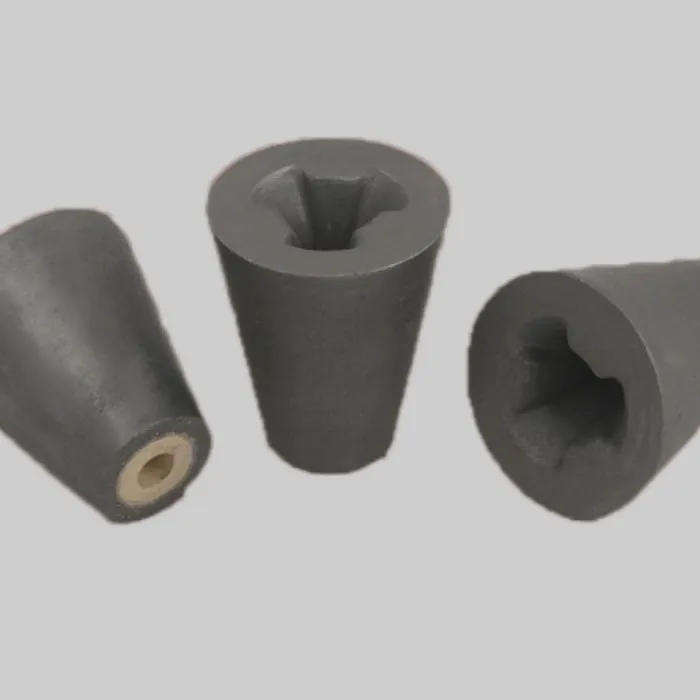
Zirconia nozzles are primarily used to deliver fluids, such as reactants, catalysts, or solvents, into the chemical reactor. The design of the nozzle determines the flow pattern and distribution of the fluid within the reactor. For example, a simple cylindrical nozzle may be used to deliver a stream of fluid in a straight line, while a multi - orifice nozzle can be used to distribute the fluid over a larger area, promoting more uniform mixing.
The high temperature and chemical resistance of zirconia ensure that the nozzle can operate effectively even when handling corrosive or high - temperature fluids. This is particularly important in processes such as the pyrolysis of hydrocarbons or the oxidation of organic compounds, where the reactants may be highly reactive and require careful handling.
Mixing
In many chemical reactions, efficient mixing of the reactants is essential for achieving high reaction rates and product yields. Zirconia nozzles can be designed to enhance mixing by creating turbulent flow patterns or by introducing the reactants at specific angles. For instance, a swirling nozzle can generate a vortex within the reactor, which promotes rapid mixing of the reactants and improves mass transfer.
The mechanical strength of zirconia allows for the use of nozzles with small orifices, which can produce high - velocity jets of fluid. These high - velocity jets can penetrate the bulk of the fluid in the reactor, breaking up large droplets or agglomerates and facilitating more intimate contact between the reactants.
Control
Zirconia nozzles can also be used to control the flow rate and pressure of the fluid entering the reactor. By adjusting the size and shape of the nozzle orifice, the flow rate of the fluid can be precisely regulated. This is important in chemical processes where the reaction rate is sensitive to the concentration of the reactants or the flow rate of the feedstock.
In addition, zirconia nozzles can be integrated with control systems, such as valves or pumps, to maintain a constant flow rate or pressure. This ensures the stability and reproducibility of the chemical reaction, which is crucial for industrial - scale production.
Applications of Zirconia Nozzles in Chemical Reactors
Zirconia nozzles find a wide range of applications in different types of chemical reactors, including batch reactors, continuous - flow reactors, and fluidized - bed reactors.
Batch Reactors
In batch reactors, zirconia nozzles are used to introduce the reactants into the reactor at the beginning of the reaction. The nozzles can be designed to ensure rapid and uniform mixing of the reactants, which is important for achieving consistent product quality. For example, in the production of polymers, zirconia nozzles can be used to deliver the monomer and catalyst into the reactor, promoting efficient polymerization.
Continuous - Flow Reactors
Continuous - flow reactors require a continuous supply of reactants at a controlled rate. Zirconia nozzles are well - suited for this application, as they can provide a stable and precise flow of fluid over an extended period. In processes such as the production of fine chemicals or petrochemicals, continuous - flow reactors with zirconia nozzles can offer higher productivity and better process control compared to batch reactors.
Fluidized - Bed Reactors
Fluidized - bed reactors use a stream of fluid to suspend solid particles in a fluidized state. Zirconia nozzles can be used to introduce the fluidizing gas or the reactants into the fluidized bed. The high temperature and wear resistance of zirconia ensure that the nozzles can withstand the abrasive action of the solid particles and the high - velocity gas flow, making them suitable for long - term operation in fluidized - bed reactors.
Advantages of Using Zirconia Nozzles in Chemical Reactors
The use of zirconia nozzles in chemical reactors offers several advantages over other types of nozzles.
Long Service Life
Due to their high temperature, chemical, and wear resistance, zirconia nozzles have a longer service life compared to nozzles made of other materials. This reduces the frequency of nozzle replacement, which can save time and money in the long run. In addition, the reliability of zirconia nozzles minimizes the risk of unexpected downtime in the chemical reactor, ensuring continuous production.
Improved Product Quality
The chemical inertness of zirconia prevents contamination of the reactants and products, resulting in higher product quality. This is particularly important in industries such as electronics, pharmaceuticals, and food processing, where strict quality standards must be met. By using zirconia nozzles, manufacturers can produce products with fewer impurities and better performance characteristics.
Energy Efficiency
The design flexibility of zirconia nozzles allows for the optimization of the fluid flow within the chemical reactor, which can lead to improved energy efficiency. For example, by enhancing mixing and mass transfer, zirconia nozzles can reduce the reaction time and the amount of energy required to achieve a given conversion. This can result in significant cost savings for industrial - scale chemical processes.
Related Products
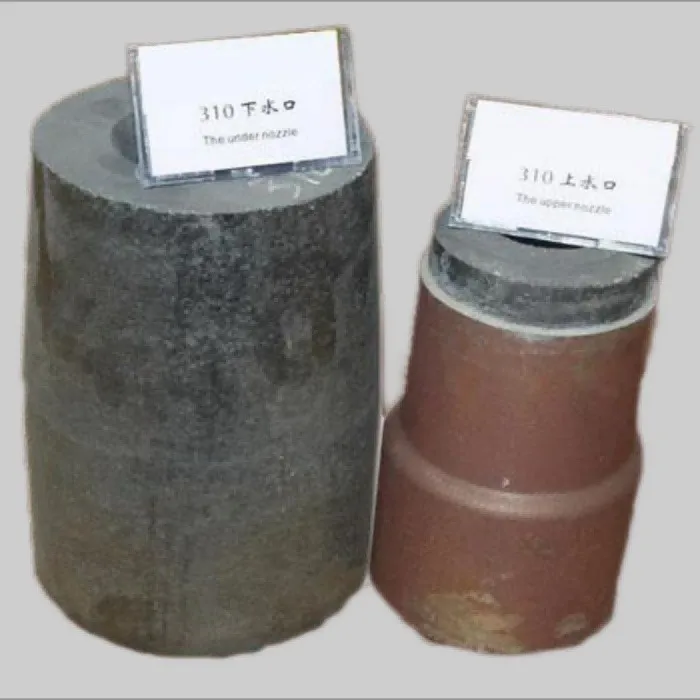
As a zirconia nozzle supplier, we also offer a range of related products, including Tundish Nozzle, Refractory Ladle Nozzle, and Zirconium Sizing Nozzle. These products are designed to meet the specific requirements of different industries and applications, providing reliable and efficient solutions for fluid handling in chemical reactors and other industrial processes.
Conclusion
In conclusion, zirconia nozzles play a crucial role in the operation of chemical reactors. Their unique properties, such as high temperature resistance, chemical inertness, and mechanical strength, make them an ideal choice for delivering fluids, enhancing mixing, and controlling the flow rate in chemical processes. The use of zirconia nozzles offers numerous advantages, including long service life, improved product quality, and energy efficiency.
If you are interested in learning more about our zirconia nozzles or other related products, or if you have specific requirements for your chemical reactor application, please feel free to contact us for procurement and further discussion. We are committed to providing high - quality products and excellent customer service to meet your needs.
References
- "Ceramics in High - Temperature Applications" by John Smith, published by Ceramic Press.
- "Chemical Reaction Engineering" by Octave Levenspiel, published by Wiley.
- "Fluid Mechanics in Chemical Engineering" by Ron Darby, published by CRC Press.