

Hey there! As a supplier of refractory mortar, I've been getting a lot of questions lately about how the particle size of refractory mortar affects its performance. So, I thought I'd write this blog to share some insights based on my experience in the industry.
First off, let's talk about what refractory mortar is. It's a special type of mortar used in high - temperature applications like furnaces, fireplaces, and kilns. It needs to withstand extreme heat and still maintain its structural integrity. And the particle size of this mortar plays a crucial role in how well it performs.
1. Workability
One of the key aspects affected by particle size is workability. When the particles are too large, the mortar can be difficult to mix. You'll find that it doesn't blend smoothly, and there might be clumps that are hard to break down. This makes it a real pain when you're trying to apply it. For example, if you're using High Alumina Mortar with large particles, spreading it evenly between bricks can be a struggle. It won't flow easily, and you might end up with an uneven surface, which can compromise the overall structure.
On the other hand, if the particles are too small, the mortar can become too sticky. It'll stick to your tools, and it might be hard to get the right consistency. You'll have to add more water to make it workable, but that can weaken the mortar in the long run. A good balance of particle sizes is needed to ensure that the mortar is easy to mix, spread, and shape. Smaller particles can fill in the gaps between larger ones, creating a more cohesive and workable mixture.
2. Bonding Strength
The bonding strength of refractory mortar is super important. It's what holds the bricks or other refractory materials together in high - temperature environments. Particle size has a direct impact on this. Larger particles can provide a mechanical interlock between the bricks. They kind of lock into place, creating a stronger bond. However, if the large particles are too big or not well - distributed, there might be voids in the mortar. These voids can reduce the bonding area and weaken the overall bond.
Smaller particles, on the other hand, can fill those voids and create a more continuous bond. They can react with the surface of the bricks more effectively, forming a chemical bond in addition to the mechanical one. For instance, in Fire Resistant Brick Mortar, a proper mix of small and large particles can ensure a strong bond that can withstand the thermal stress and expansion that occurs during heating and cooling cycles.
3. Thermal Conductivity
Thermal conductivity is another factor influenced by particle size. Larger particles generally have lower thermal conductivity. This is because there are more air gaps between them, and air is a poor conductor of heat. So, if you want to insulate a furnace or a fireplace, a mortar with larger particles can be a good choice. It'll help to keep the heat inside and reduce heat loss through the walls.
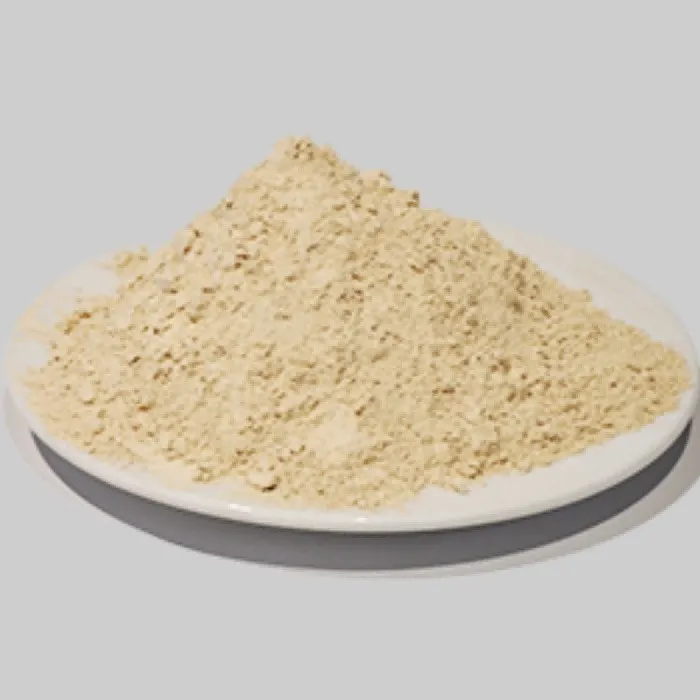
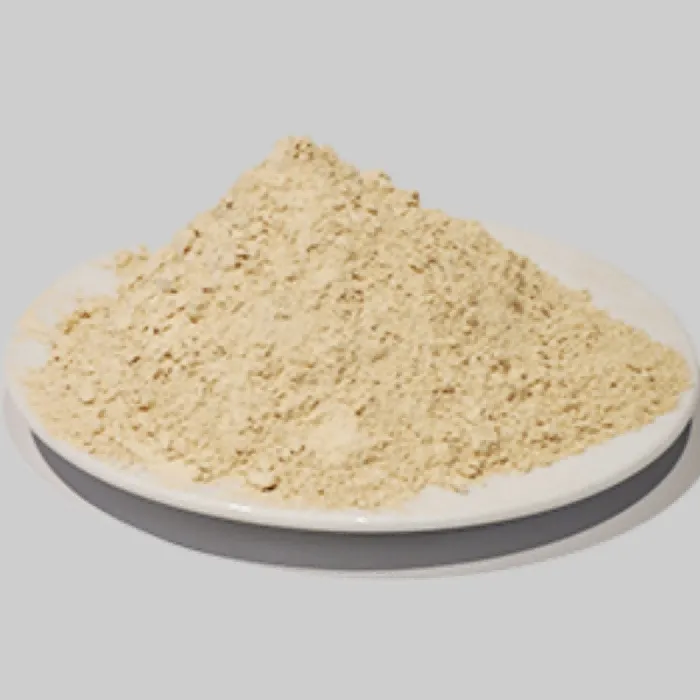
However, if the particles are too large, the mortar might not be dense enough, and there could be channels for heat to escape. Smaller particles can create a more dense structure, which can increase the thermal conductivity in some cases. But they can also be engineered to have better insulating properties by adding other materials. For Fireplace Refractory Mortar, finding the right particle size is crucial to balance heat retention and energy efficiency.
4. Resistance to Thermal Shock
Thermal shock is a big deal in high - temperature applications. It occurs when there are rapid changes in temperature, and it can cause the mortar to crack or spall. Particle size affects the mortar's resistance to thermal shock. Mortars with a more uniform particle size distribution tend to have better resistance.
Large particles can act as stress concentrators. When the temperature changes rapidly, the large particles expand or contract at a different rate than the surrounding mortar, creating stress points. These stress points can lead to cracks. Smaller particles, when evenly distributed, can help to distribute the stress more evenly. They can also allow for more flexibility in the mortar, reducing the likelihood of cracking.
5. Durability
The durability of refractory mortar is closely related to its performance in all the aspects we've discussed so far. A mortar with the right particle size will have better workability, bonding strength, thermal conductivity, and resistance to thermal shock. This means it'll last longer in high - temperature environments.
If the particle size is off, the mortar might start to deteriorate quickly. It could crack, crumble, or lose its bonding strength over time. This can lead to costly repairs and replacements. As a supplier, I always recommend choosing a mortar with a well - balanced particle size for maximum durability.
Conclusion
In conclusion, the particle size of refractory mortar has a huge impact on its performance. From workability to durability, every aspect is affected. As a supplier, I've seen firsthand how the right particle size can make a big difference in the success of a project. Whether you're building a furnace, a fireplace, or a kiln, it's important to choose a refractory mortar with the appropriate particle size.
If you're in the market for refractory mortar and want to learn more about how particle size can affect your specific application, I'd love to have a chat. We can discuss your needs and find the best solution for you. Just reach out, and we can start the conversation about getting the right refractory mortar for your project.
References
- ASTM International. (20XX). Standard Test Methods for Refractory Mortars.
- Perry, R. H., & Green, D. W. (Eds.). (1997). Perry's Chemical Engineers' Handbook. McGraw - Hill.
- Schack, C. (1982). Refractories Handbook. Marcel Dekker.