

Hey there! As a supplier of AZS blocks, I've seen firsthand how the quality of these blocks can have a huge impact on their performance. In this blog post, I'm gonna break down the key factors that determine the quality of AZS blocks and explain how they affect the overall performance. So, let's dive right in!
What Are AZS Blocks?
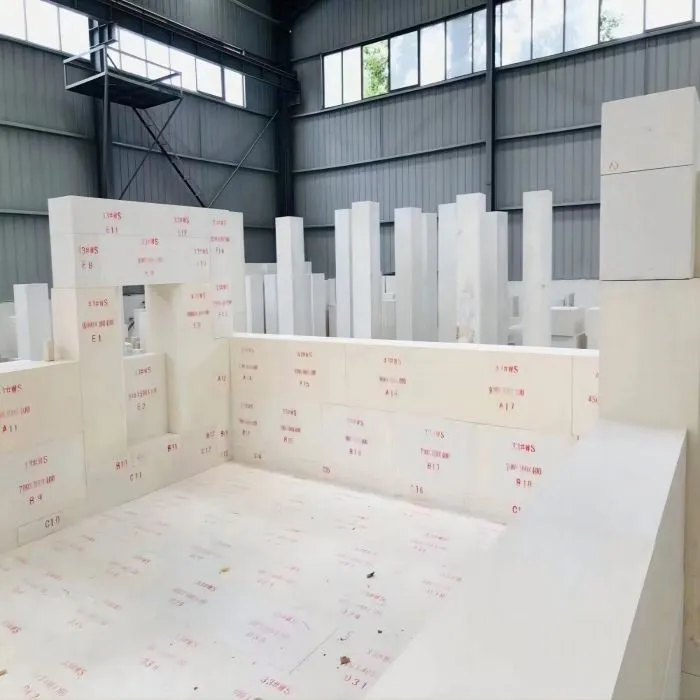
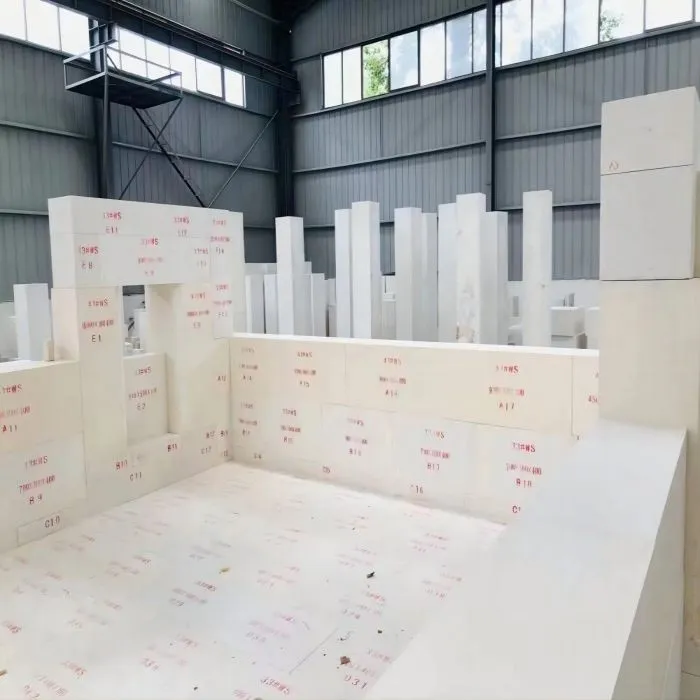
First things first, let's talk about what AZS blocks are. AZS stands for Alumina-Zirconia-Silica, and these blocks are a type of refractory material commonly used in the glass industry. They're made by fusing together alumina, zirconia, and silica at extremely high temperatures, which results in a dense and durable material that can withstand the harsh conditions inside glass furnaces.
There are different types of AZS blocks available in the market, such as Fused Cast Azs Block, AZS Brick, and Zirconia Corundum Brick. Each type has its own unique properties and applications, but they all share the same basic composition of alumina, zirconia, and silica.
Key Quality Factors of AZS Blocks
Now, let's get into the key factors that determine the quality of AZS blocks. These factors can have a significant impact on the performance of the blocks, so it's important to understand them when choosing the right AZS blocks for your application.
Chemical Composition
The chemical composition of AZS blocks is one of the most important factors that affects their quality. The ratio of alumina, zirconia, and silica in the blocks can vary depending on the specific application, and different ratios can result in different properties.
For example, blocks with a higher zirconia content tend to have better resistance to corrosion and erosion, making them ideal for use in areas of the glass furnace that are exposed to high temperatures and aggressive molten glass. On the other hand, blocks with a higher alumina content may have better thermal shock resistance, which is important in applications where the blocks are subjected to rapid temperature changes.
Density
The density of AZS blocks is another important quality factor. Higher density blocks generally have better mechanical strength and resistance to wear and tear. This is because a higher density means that there are fewer pores and voids in the block, which makes it more difficult for molten glass and other corrosive substances to penetrate the block and cause damage.
Microstructure
The microstructure of AZS blocks also plays a crucial role in their performance. A uniform and fine-grained microstructure is generally preferred, as it can improve the block's resistance to corrosion, erosion, and thermal shock. In addition, a well-controlled microstructure can help to reduce the likelihood of cracking and spalling, which can significantly shorten the lifespan of the blocks.
Porosity
Porosity is another important factor to consider when evaluating the quality of AZS blocks. Blocks with low porosity are generally more resistant to corrosion and erosion, as there are fewer pores for molten glass and other corrosive substances to penetrate. However, it's important to note that some porosity is necessary to allow for the expansion and contraction of the block during heating and cooling, so the porosity needs to be carefully controlled.
How Quality Affects Performance
Now that we've discussed the key quality factors of AZS blocks, let's take a look at how these factors affect the performance of the blocks in real-world applications.
Corrosion Resistance
As mentioned earlier, the chemical composition, density, and microstructure of AZS blocks all play a role in their corrosion resistance. Blocks with a higher zirconia content, higher density, and uniform microstructure tend to have better resistance to corrosion, which means they can last longer in aggressive environments.
For example, in a glass furnace, the AZS blocks are exposed to molten glass, which can be highly corrosive. If the blocks have poor corrosion resistance, they can quickly deteriorate and need to be replaced, which can be costly and disrupt the production process. On the other hand, high-quality AZS blocks with good corrosion resistance can withstand the corrosive effects of the molten glass for a longer period of time, reducing the need for frequent replacements and improving the overall efficiency of the furnace.
Erosion Resistance
Erosion is another common problem in glass furnaces, especially in areas where the molten glass is flowing at high speeds. The density and microstructure of AZS blocks can have a significant impact on their erosion resistance. Higher density blocks with a fine-grained microstructure are generally more resistant to erosion, as they can better withstand the abrasive effects of the flowing molten glass.
If the AZS blocks have poor erosion resistance, they can wear down quickly, which can lead to uneven wear and tear on the furnace lining. This can not only reduce the lifespan of the blocks but also affect the quality of the glass being produced. By using high-quality AZS blocks with good erosion resistance, you can minimize the risk of erosion and ensure a more stable and efficient operation of the glass furnace.
Thermal Shock Resistance
Thermal shock is a major concern in glass furnaces, as the blocks are subjected to rapid temperature changes during the heating and cooling cycles. The chemical composition and microstructure of AZS blocks can affect their thermal shock resistance. Blocks with a higher alumina content and a well-controlled microstructure tend to have better thermal shock resistance, as they can better withstand the stress caused by the rapid temperature changes.
If the AZS blocks have poor thermal shock resistance, they can crack and spall, which can not only reduce their lifespan but also pose a safety hazard. By using high-quality AZS blocks with good thermal shock resistance, you can minimize the risk of cracking and spalling and ensure a safer and more reliable operation of the glass furnace.
Why Choose High-Quality AZS Blocks
Now that you understand how the quality of AZS blocks affects their performance, you might be wondering why it's worth investing in high-quality blocks. Here are some of the key benefits of choosing high-quality AZS blocks:
Longer Lifespan
High-quality AZS blocks are more resistant to corrosion, erosion, and thermal shock, which means they can last longer in harsh environments. This can reduce the need for frequent replacements, saving you time and money in the long run.
Improved Efficiency
By using high-quality AZS blocks, you can ensure a more stable and efficient operation of your glass furnace. The blocks' better resistance to corrosion and erosion can help to maintain the integrity of the furnace lining, which can improve the heat transfer efficiency and reduce energy consumption.
Better Glass Quality
The performance of the AZS blocks can also have an impact on the quality of the glass being produced. High-quality blocks with good corrosion and erosion resistance can help to prevent contamination of the molten glass, resulting in better-quality glass products.
Conclusion
In conclusion, the quality of AZS blocks plays a crucial role in their performance. The chemical composition, density, microstructure, and porosity of the blocks all affect their resistance to corrosion, erosion, and thermal shock, which in turn can have a significant impact on the lifespan, efficiency, and glass quality of the glass furnace.
As a supplier of AZS blocks, I understand the importance of providing high-quality products to my customers. That's why I'm committed to sourcing and supplying AZS blocks that meet the highest standards of quality and performance.
If you're in the market for AZS blocks, I encourage you to contact me to discuss your specific requirements. I can help you choose the right type of AZS blocks for your application and provide you with competitive pricing and excellent customer service. Let's work together to ensure the success of your glass manufacturing operations!
References
- "Refractory Materials in the Glass Industry" - A technical handbook on refractory materials used in glass furnaces.
- "Advances in AZS Block Technology" - A research paper on the latest developments in AZS block manufacturing and performance.