

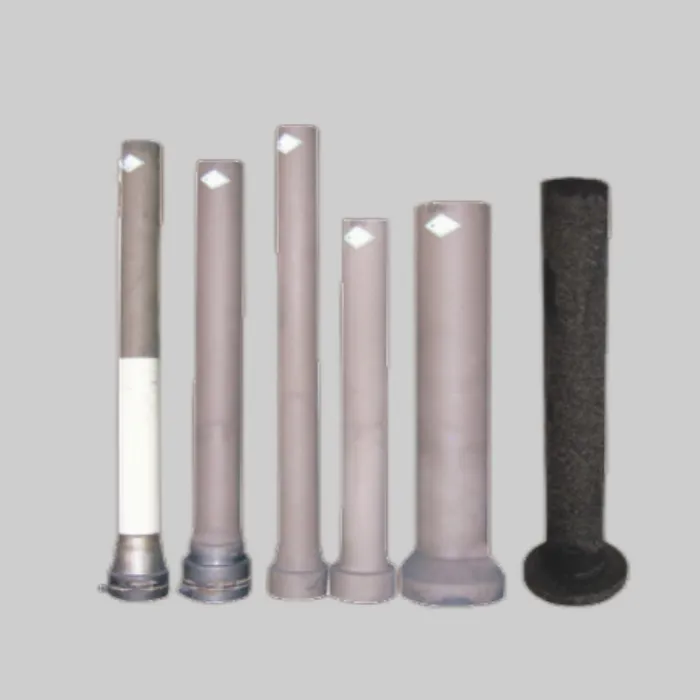
As a seasoned supplier of tundish shrouds, I've witnessed firsthand the pivotal role these components play in the continuous casting process. The tundish shroud, a critical refractory part, serves as a conduit between the tundish and the mold, protecting the molten steel from oxidation and contamination while ensuring a smooth and controlled flow. However, achieving optimal performance from a tundish shroud is not just about the quality of the product itself; it also heavily depends on its proper positioning. In this blog, I'll share some insights and practical tips on how to adjust the position of a tundish shroud for better performance.
Understanding the Importance of Tundish Shroud Positioning
Before delving into the adjustment process, it's essential to understand why the position of the tundish shroud matters. A well - positioned tundish shroud can significantly enhance the overall efficiency and quality of the continuous casting process.
Flow Control
Proper positioning ensures a consistent and laminar flow of molten steel into the mold. When the shroud is misaligned, it can cause turbulent flow, leading to issues such as slag entrainment, uneven solidification, and surface defects in the cast product. A stable flow also helps in maintaining a uniform temperature distribution within the mold, which is crucial for producing high - quality steel.
Protection Against Oxidation
The tundish shroud acts as a barrier between the molten steel and the surrounding air. If it is not correctly positioned, air can enter the system, causing oxidation of the steel. Oxidation can lead to the formation of non - metallic inclusions, which can degrade the mechanical properties of the final product.
Mold Filling
The correct position of the tundish shroud is vital for proper mold filling. It ensures that the molten steel is evenly distributed across the mold, preventing issues like uneven thickness and porosity in the cast product.
Factors Affecting Tundish Shroud Positioning
Several factors need to be considered when adjusting the position of a tundish shroud:
Tundish Design
The design of the tundish, including the location and size of the outlet, can influence the optimal position of the shroud. Different tundish designs may require specific adjustments to ensure proper alignment with the mold.
Mold Dimensions
The size and shape of the mold play a crucial role in determining the correct position of the tundish shroud. The shroud should be positioned in such a way that it can deliver the molten steel to all parts of the mold evenly.
Steel Grade and Casting Speed
The type of steel being cast and the casting speed can also affect the positioning of the tundish shroud. Different steel grades have different viscosities and solidification characteristics, which may require adjustments to the flow rate and position of the shroud. Higher casting speeds may also demand more precise positioning to maintain a stable flow.
Steps to Adjust the Position of a Tundish Shroud
Initial Inspection
Before making any adjustments, conduct a thorough inspection of the tundish, mold, and the Tundish Shroud itself. Check for any signs of damage, wear, or misalignment in the components. Ensure that the tundish is clean and free from any debris that could affect the flow of molten steel.
Alignment with the Tundish Outlet
The first step in adjusting the tundish shroud is to align it with the tundish outlet. This can be done using alignment tools such as laser alignment devices or mechanical guides. The shroud should be centered over the outlet to ensure a straight and unobstructed flow of molten steel.
Adjustment for Mold Filling
Next, consider the requirements for mold filling. The tundish shroud should be positioned at the correct height and angle to ensure that the molten steel is distributed evenly across the mold. This may involve adjusting the vertical and horizontal position of the shroud. For example, if the mold has a large cross - section, the shroud may need to be positioned closer to the center of the mold to ensure uniform filling.
Verification of Flow Pattern
Once the initial adjustments are made, it's important to verify the flow pattern of the molten steel. This can be done using flow visualization techniques such as water modeling or numerical simulations. Observe the flow of steel into the mold and check for any signs of turbulence, uneven distribution, or slag entrainment. If necessary, make further adjustments to the position of the shroud to optimize the flow pattern.
Monitoring During Casting
During the casting process, continuously monitor the performance of the tundish shroud. Check for any changes in the flow rate, temperature, or quality of the cast product. If any issues are detected, make immediate adjustments to the position of the shroud to correct the problem.
Common Mistakes to Avoid
Over - Tightening
When installing or adjusting the tundish shroud, avoid over - tightening the clamping mechanisms. Over - tightening can cause damage to the shroud, leading to cracks or leaks. It can also affect the alignment of the shroud, resulting in poor performance.
Ignoring Wear and Tear
Regularly inspect the tundish shroud for signs of wear and tear. A worn - out shroud may not perform as effectively, even if it is correctly positioned. Replace the shroud when it reaches the end of its service life to ensure optimal performance.
Neglecting Environmental Factors
Environmental factors such as temperature and humidity can affect the performance of the tundish shroud. Make sure to take these factors into account when adjusting the position of the shroud. For example, in high - temperature environments, the shroud may expand, which may require slight adjustments to maintain proper alignment.
The Role of Related Components
Sub Entry Nozzle
The Sub Entry Nozzle is another important component in the continuous casting process. It is located at the bottom of the tundish shroud and further controls the flow of molten steel into the mold. The position and alignment of the sub - entry nozzle are closely related to the position of the tundish shroud. A misaligned sub - entry nozzle can cause similar problems as a misaligned tundish shroud, such as turbulent flow and uneven mold filling.
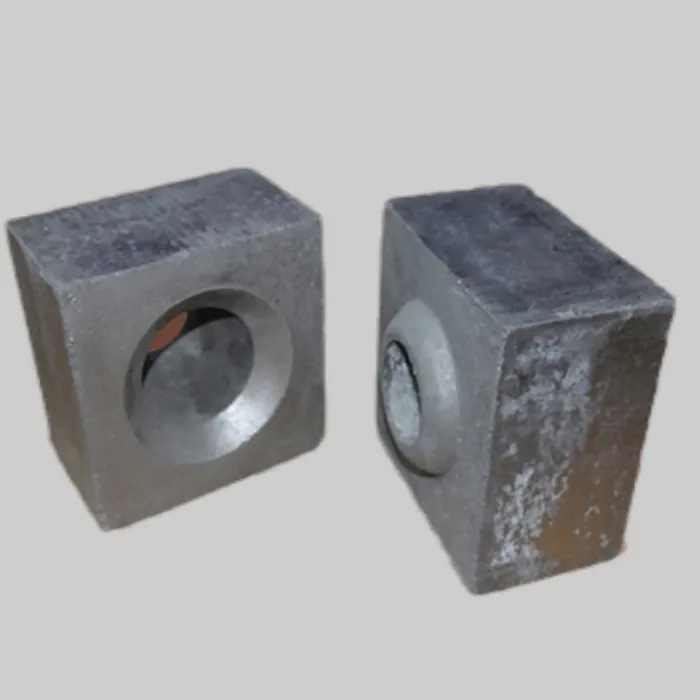
Well Block
The Well Block is also a critical part of the system. It provides support and alignment for the tundish shroud. A damaged or misaligned well block can affect the position of the shroud, leading to performance issues. Regular inspection and maintenance of the well block are essential to ensure the proper functioning of the tundish shroud.
Conclusion
Adjusting the position of a tundish shroud is a complex but essential task for achieving optimal performance in the continuous casting process. By understanding the importance of proper positioning, considering the various factors that affect it, and following the correct adjustment procedures, you can significantly improve the quality and efficiency of your casting operations.
If you are looking for high - quality tundish shrouds or need further advice on their installation and adjustment, we are here to help. Our team of experts has extensive experience in the field and can provide you with the best solutions for your specific needs. Contact us to start a discussion about your procurement requirements and take your continuous casting process to the next level.
References
- "Continuous Casting of Steel" by John F. Wallace
- "Refractories in Steelmaking" by David G. Croll