

Balancing the flow rate and pressure in a tundish nozzle is crucial for the efficient and high - quality operation of continuous casting processes. As a tundish nozzle supplier, I've seen firsthand how getting this balance right can make or break a casting operation. In this blog, I'll share some insights on how to achieve that perfect equilibrium.
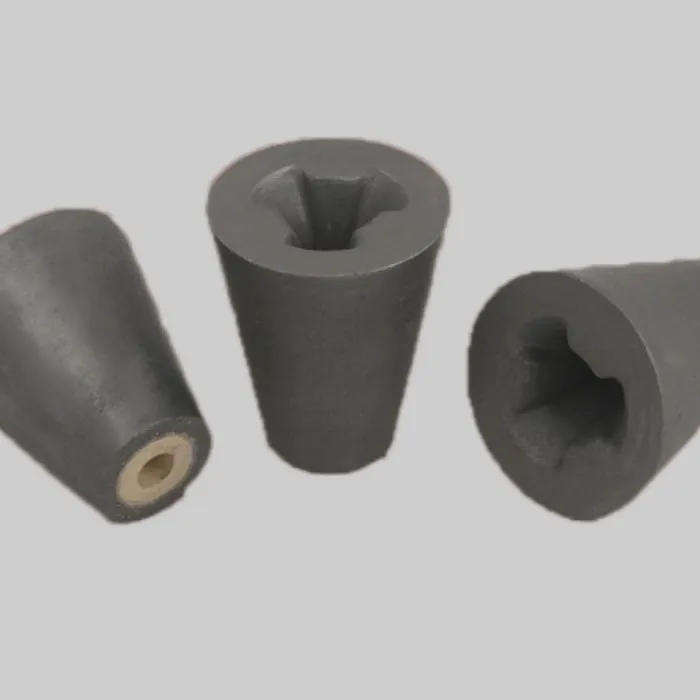
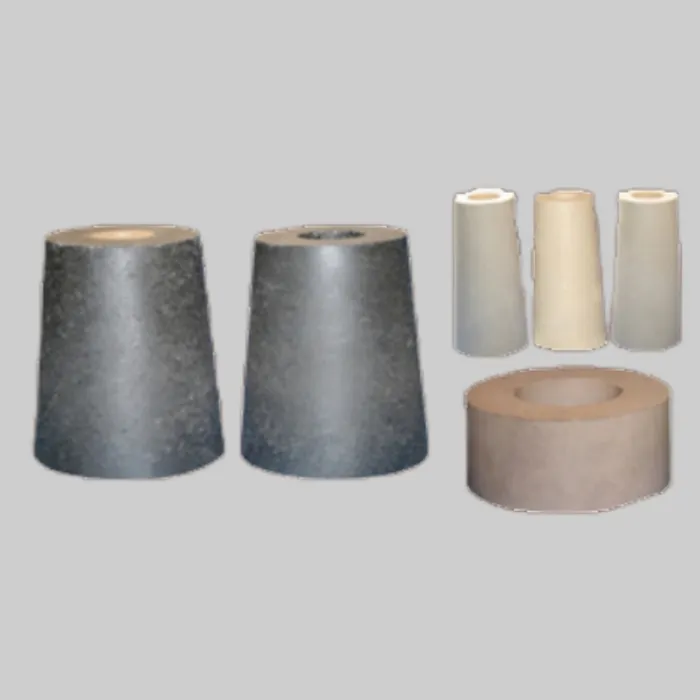
First off, let's understand what a tundish nozzle is. A Tundish Nozzle is a refractory component used in steelmaking. It's the passage through which molten steel flows from the tundish into the mold during continuous casting. The flow rate and pressure of the molten steel through this nozzle directly impact the quality of the cast product.
The Importance of Balancing Flow Rate and Pressure
If the flow rate is too high, it can cause issues like splashing, which leads to uneven solidification of the steel in the mold. This can result in surface defects on the final product, such as cracks and porosity. On the other hand, a flow rate that's too low can lead to blockages in the nozzle, causing production delays and increasing the risk of costly downtime.
Similarly, pressure plays a vital role. Excessive pressure can damage the nozzle and the surrounding equipment, while insufficient pressure may not be enough to push the molten steel through the nozzle effectively, leading to inconsistent flow.
Factors Affecting Flow Rate and Pressure
Nozzle Design
The design of the tundish nozzle has a significant impact on the flow rate and pressure. For example, the inner diameter of the nozzle affects the flow rate. A larger diameter generally allows for a higher flow rate, but it also requires more pressure to maintain the flow. Different types of nozzles, like Zirconia Nozzle and Zirconium Sizing Nozzle, have different characteristics that can influence the flow. Zirconia nozzles are known for their high - temperature resistance and good flow control properties.
Molten Steel Properties
The properties of the molten steel, such as its viscosity and density, also affect the flow rate and pressure. Viscosity is a measure of a fluid's resistance to flow. Higher - viscosity molten steel requires more pressure to flow through the nozzle at a given rate. The density of the steel can also impact the pressure needed to move it through the nozzle.
Tundish Level
The level of molten steel in the tundish affects the pressure at the nozzle inlet. A higher tundish level creates more hydrostatic pressure, which can increase the flow rate through the nozzle. However, if the tundish level is too high, it can cause excessive pressure, potentially damaging the nozzle.
Techniques for Balancing Flow Rate and Pressure
Nozzle Selection
Choosing the right nozzle for the specific application is essential. Consider the type of steel being cast, the required flow rate, and the pressure limitations of the equipment. For example, if you're casting a high - alloy steel with a high viscosity, a Zirconium Sizing Nozzle might be a good choice as it can provide better flow control.
Flow Control Devices
Using flow control devices, such as slide gates or stopper rods, can help regulate the flow rate and pressure. Slide gates work by opening or closing a valve to control the amount of molten steel flowing through the nozzle. Stopper rods are inserted into the nozzle to restrict or allow the flow of steel. These devices can be adjusted in real - time to maintain the desired flow rate and pressure.
Monitoring and Adjustment
Regular monitoring of the flow rate and pressure is crucial. Use sensors to measure these parameters and adjust the flow control devices accordingly. For example, if the flow rate is too low, you can increase the opening of the slide gate or lift the stopper rod slightly to increase the flow. If the pressure is too high, you can reduce the tundish level or close the flow control device a bit.
Case Studies
Let's take a look at a couple of real - world examples to see how these techniques work in practice.
In a steel mill that was experiencing inconsistent flow rates and high pressure in their tundish nozzles, they decided to switch from a standard nozzle to a Zirconia Nozzle. They also installed a more advanced flow control system with real - time monitoring. After these changes, they were able to achieve a more stable flow rate and reduce the pressure to a safe level. This led to a significant improvement in the quality of their cast products and a reduction in production downtime.
Another steel mill was facing blockages in their nozzles due to a low flow rate. They implemented a regular monitoring and adjustment system using sensors and flow control devices. By constantly monitoring the flow rate and adjusting the stopper rod position, they were able to prevent blockages and maintain a consistent production process.
Conclusion
Balancing the flow rate and pressure in a tundish nozzle is a complex but achievable task. By understanding the factors that affect flow rate and pressure, choosing the right nozzle, using flow control devices, and implementing a monitoring and adjustment system, you can ensure a smooth and efficient continuous casting process.
If you're looking for high - quality tundish nozzles and need help with achieving the perfect balance of flow rate and pressure, don't hesitate to reach out. We're here to assist you with all your tundish nozzle needs and can provide you with expert advice and solutions. Let's work together to optimize your casting process and improve your product quality.
References
- "Continuous Casting of Steel" - A comprehensive textbook on the principles and practices of continuous casting.
- Industry reports on refractory materials and their applications in steelmaking.
- Technical papers from steel industry conferences on tundish nozzle design and flow control.