

Hey there! As a supplier of AZS blocks, I often get asked the question, "How long does an AZS block last?" Well, that's not a straightforward answer, as it depends on a bunch of factors. In this blog, I'll break down those factors and give you a better idea of the lifespan of AZS blocks.
What Are AZS Blocks?
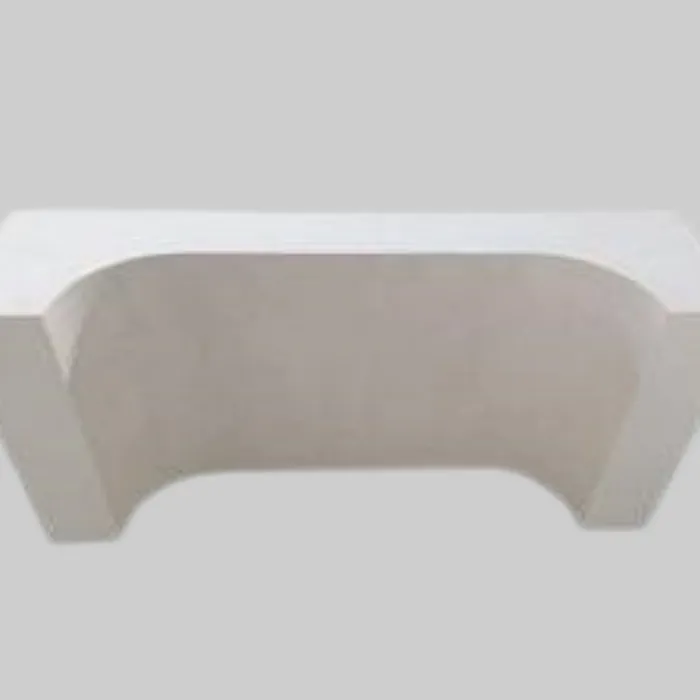
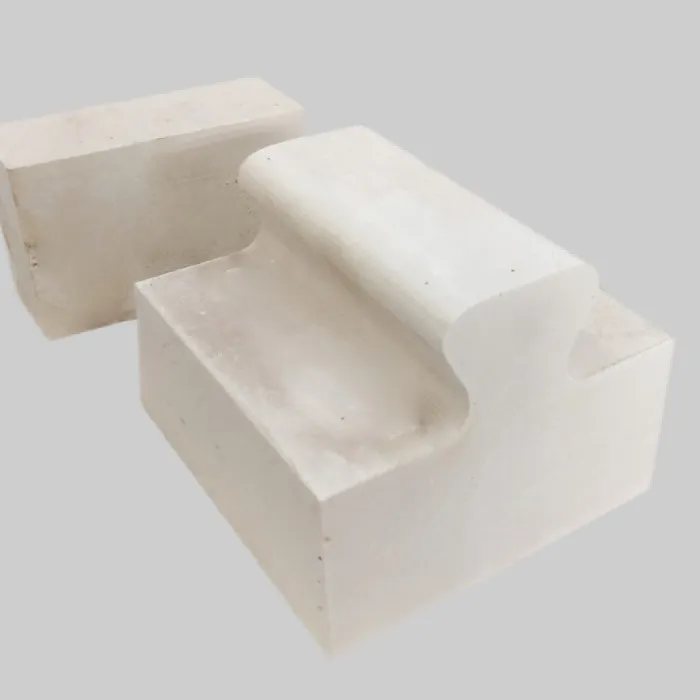
Before we dive into the lifespan, let's quickly go over what AZS blocks are. AZS stands for Alumina - Zirconia - Silica. These blocks are made through a process of melting and casting high - purity alumina, zirconia, and silica raw materials. They're super popular in the glass industry because of their excellent resistance to corrosion and thermal shock. You can check out more about AZS Brick and Zirconia Corundum Brick on our website.
Factors Affecting the Lifespan of AZS Blocks
1. Operating Temperature
One of the biggest factors is the operating temperature. AZS blocks are designed to withstand high temperatures, but if the temperature is too high or fluctuates wildly, it can take a toll on their lifespan. In a glass furnace, for example, if the temperature exceeds the recommended range for the specific type of AZS block, the block may start to degrade faster. High temperatures can cause the materials in the block to expand and contract, leading to cracking and spalling over time.
2. Chemical Environment
The chemical environment in which the AZS block is used is also crucial. In glass manufacturing, the molten glass contains various chemicals that can react with the AZS block. Some chemicals are more aggressive than others. For instance, if the glass has a high concentration of alkaline components, it can corrode the AZS block at a faster rate. The corrosion can eat away at the block, reducing its thickness and structural integrity.
3. Quality of the Block
The quality of the AZS block itself plays a huge role. High - quality blocks that are made with the right raw materials and proper manufacturing processes tend to last longer. When we produce Fused Cast Azs Block, we pay close attention to every step of the process, from selecting the raw materials to the casting and annealing. A well - made block will have fewer internal defects, which means it can better withstand the harsh conditions in a furnace.
4. Installation and Maintenance
How the AZS block is installed and maintained also affects its lifespan. If the installation is not done correctly, there may be gaps or uneven stress distribution, which can lead to premature failure. Regular maintenance, such as inspecting for cracks and corrosion, and making timely repairs, can significantly extend the life of the block.
Typical Lifespan of AZS Blocks
On average, in a well - maintained glass furnace with normal operating conditions, an AZS block can last anywhere from 3 to 8 years. However, this is just a rough estimate. In some cases, with ideal conditions and high - quality blocks, they can last even longer. In other situations, where the operating conditions are harsh, the lifespan may be as short as 1 to 2 years.
Let's take a look at a couple of scenarios to illustrate this. In a small - scale glass workshop where the furnace operates at relatively stable temperatures and the glass composition is not too aggressive, and the AZS blocks are of good quality and properly installed, they might last around 6 to 8 years. On the other hand, in a large - scale industrial glass plant where the furnace runs continuously at high temperatures and the glass has a complex chemical composition, the blocks may need to be replaced every 3 to 5 years.
Extending the Lifespan of AZS Blocks
If you're using AZS blocks, there are some things you can do to make them last longer. First, make sure you're using the right type of block for your specific application. Different types of AZS blocks have different properties and are suitable for different operating conditions. Second, maintain stable operating conditions as much as possible. Try to keep the temperature and chemical composition of the molten glass within the recommended range. Third, follow proper installation and maintenance procedures. This includes having a professional install the blocks and conducting regular inspections.
Why Choose Our AZS Blocks
As a supplier, we take pride in offering high - quality AZS blocks. Our blocks are made from the best raw materials and undergo strict quality control measures. We have a team of experts who can help you choose the right block for your needs and provide advice on installation and maintenance. Whether you're a small - scale glassmaker or a large industrial plant, we've got you covered.
If you're in the market for AZS blocks and want to learn more about our products, or if you have any questions about their lifespan and performance, don't hesitate to reach out. We're here to help you make the best choice for your business.
Conclusion
So, to answer the question "How long does an AZS block last?", it really depends on multiple factors like operating temperature, chemical environment, block quality, and installation and maintenance. While the average lifespan is between 3 to 8 years, with the right conditions and proper care, you can get the most out of your AZS blocks. If you're interested in purchasing high - quality AZS blocks, we'd love to have a chat with you and discuss your requirements.
References
- Glass Industry Handbook: A comprehensive guide on glass manufacturing processes and materials.
- Firebrick Technical Manual: Information on the properties and applications of firebricks, including AZS blocks.