

Hey there! As a supplier of CCM (Continuous Casting Machine) refractories, I often get asked about how to choose the right refractories for a specific continuous casting process. It's a crucial decision that can significantly impact the efficiency, quality, and cost of the casting operation. So, let's dive into it!
Understanding the Continuous Casting Process
Before we start picking the right refractories, we need to have a basic understanding of the continuous casting process. In simple terms, continuous casting is a method used to produce metal sections with a constant cross - section. It involves pouring molten metal from a ladle into a tundish, and then through a series of nozzles and molds to form the final product.
Each step of this process exposes the refractories to different conditions, such as high temperatures, chemical reactions, and mechanical stress. That's why it's essential to choose refractories that can withstand these harsh environments.
Factors to Consider When Choosing CCM Refractories
1. Temperature Resistance
The first thing you need to think about is the temperature of the molten metal. Different metals have different melting points, and the refractories need to be able to handle these high temperatures without deforming or melting. For example, steel has a melting point of around 1400 - 1500°C, so the refractories used in steel continuous casting need to have excellent high - temperature resistance.
2. Chemical Compatibility
Molten metals can be highly reactive, and they can react with the refractories, causing corrosion and erosion. You need to choose refractories that are chemically compatible with the specific metal you're casting. For instance, some metals may contain sulfur or other elements that can react with certain types of refractories, so you have to pick materials that won't be affected by these chemical reactions.
3. Mechanical Strength
During the continuous casting process, the refractories are subjected to mechanical stress, such as the pressure of the molten metal and the movement of the casting equipment. They need to have sufficient mechanical strength to withstand these forces without cracking or breaking. This is especially important for parts like Ladle Shroud, which are in direct contact with the flowing molten metal.
4. Thermal Shock Resistance
Thermal shock occurs when there is a rapid change in temperature. In continuous casting, the refractories are often exposed to sudden temperature changes, for example, when the molten metal is poured into a cold tundish. Refractories with good thermal shock resistance can handle these rapid temperature changes without cracking.
5. Purity and Contamination
The purity of the refractories is also crucial. Impurities in the refractories can contaminate the molten metal, affecting the quality of the final product. You want to choose high - purity refractories to ensure the cleanliness of the casting.
Types of CCM Refractories and Their Applications
Ladle Shroud
The Ladle Shroud is used to transfer molten metal from the ladle to the tundish. It protects the molten metal from oxidation and contamination by the surrounding air. Ladle shrouds are typically made of materials like alumina - graphite, which have good thermal shock resistance and chemical stability.
Well Block
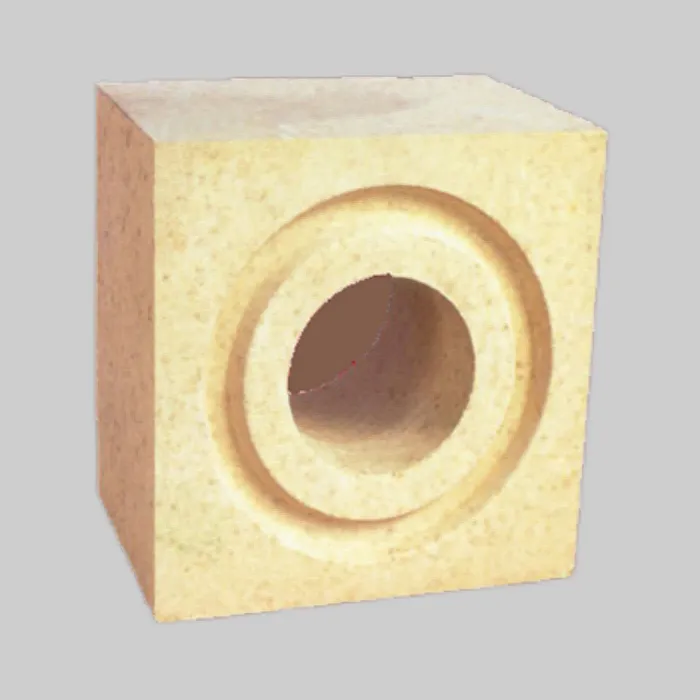
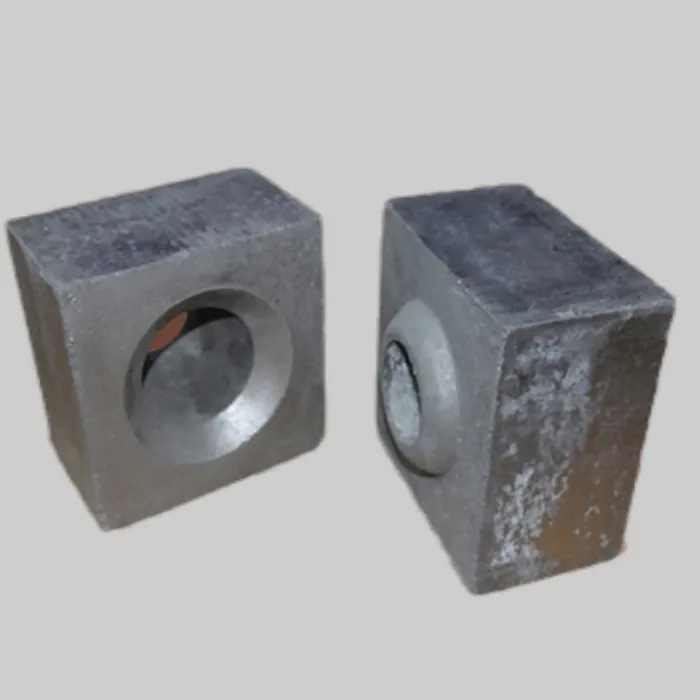
The Well Blcok is located at the bottom of the tundish. It controls the flow of molten metal from the tundish to the mold. Well blocks need to have high mechanical strength and good erosion resistance. Materials such as zirconia - based refractories are often used for well blocks because of their excellent wear resistance.
Sub Entry Nozzle
The Sub Entry Nozzle is used to introduce the molten metal into the mold. It needs to have precise dimensions to ensure a smooth and controlled flow of the metal. Sub entry nozzles are usually made of alumina - graphite or magnesia - carbon materials, which offer good thermal shock resistance and chemical compatibility.
Case Studies
Let's take a look at a couple of real - world examples to see how the right choice of refractories can make a difference.
Case 1: Steel Casting
A steel casting plant was experiencing frequent breakages in their ladle shrouds, which led to production delays and increased costs. After analyzing the problem, they found that the previous ladle shrouds had poor thermal shock resistance. They switched to a new type of alumina - graphite ladle shroud that we supplied, which had better thermal shock properties. As a result, the breakage rate decreased significantly, and the production efficiency improved.
Case 2: Aluminum Casting
An aluminum casting company was facing issues with corrosion in their well blocks. The original well blocks were not chemically compatible with the aluminum alloy they were casting. We recommended a zirconia - based well block that was more resistant to the chemical attack of the aluminum. After the replacement, the corrosion problem was solved, and the lifespan of the well blocks increased.
How We Can Help
As a CCM refractories supplier, we have a wide range of products to meet your specific needs. We have a team of experts who can analyze your continuous casting process and recommend the most suitable refractories for you. We also offer customized solutions, so if you have special requirements, we can develop refractories that are tailored to your process.
If you're looking for high - quality CCM refractories and need professional advice on choosing the right ones for your continuous casting process, don't hesitate to get in touch with us. We're here to help you optimize your casting operation and improve your bottom line.
Conclusion
Choosing the right CCM refractories for a specific continuous casting process is not an easy task, but it's essential for the success of your casting operation. By considering factors such as temperature resistance, chemical compatibility, mechanical strength, thermal shock resistance, and purity, you can make an informed decision. And if you need any assistance, we're just a message away.
References
- "Handbook of Refractories" - A comprehensive guide on refractories and their applications in various industries.
- "Continuous Casting Technology" - A book that covers the principles and practices of continuous casting, including the role of refractories.