

In the industrial realm, high - temperature bricks play a pivotal role in numerous high - heat processes. As a supplier of high - temp bricks, I've witnessed firsthand the diverse environments in which these bricks are employed. One particularly challenging scenario is the high - sulfur environment, which can have a profound impact on the performance of high - temp bricks. In this blog, we'll delve into how high - temp bricks perform in such conditions.
Understanding High - Sulfur Environments
High - sulfur environments are commonly found in industries such as power generation, particularly in coal - fired power plants where coal often contains sulfur. In the metal smelting industry, especially when processing sulfur - rich ores, high - sulfur conditions prevail. Additionally, some chemical manufacturing processes also generate high - sulfur atmospheres.
Sulfur in these environments typically exists in the form of sulfur dioxide (SO₂) or sulfur trioxide (SO₃). When these sulfur - containing gases come into contact with high - temp bricks at elevated temperatures, a series of complex chemical reactions can occur.
Chemical Reactions in High - Sulfur Environments
One of the primary concerns in a high - sulfur environment is the reaction between sulfur - containing gases and the components of high - temp bricks. Many high - temp bricks are made of alumina (Al₂O₃), silica (SiO₂), and other refractory materials.
Sulfur dioxide can react with alkaline components in the bricks. For example, if there are small amounts of calcium oxide (CaO) or magnesium oxide (MgO) in the bricks, the following reactions may take place:
[SO₂ + CaO \rightarrow CaSO₃]
[2SO₂+O₂ + 2CaO \rightarrow 2CaSO₄]
These reactions can lead to the formation of sulfate salts. The formation of these salts can cause several problems. Firstly, the volume of the salts formed is often larger than the original reactants. This volume expansion can create internal stresses within the bricks, leading to cracking and spalling.
Moreover, the sulfate salts can be hygroscopic, meaning they absorb moisture from the environment. When the temperature fluctuates, the absorbed moisture can cause further damage to the bricks. For instance, during cooling, the moisture may freeze and expand, exacerbating the cracking problem.
Performance of Different Types of High - Temp Bricks
Fire Bricks 230x114x64mm
Fire Bricks 230x114x64mm are a common type of high - temp bricks. These bricks are usually made of a combination of alumina and silica. In a high - sulfur environment, their performance depends on their chemical composition and the firing process.
If the bricks have a high alumina content, they tend to be more resistant to sulfur attack. Alumina has relatively low reactivity with sulfur - containing gases compared to some other components. However, if the firing process is not optimized, there may be some residual porosity in the bricks. This porosity can allow sulfur - containing gases to penetrate deeper into the bricks, increasing the likelihood of chemical reactions.
Sk34 Brick
Sk34 Brick is another type of high - temp brick. It is designed to have good thermal stability and resistance to chemical corrosion. In a high - sulfur environment, the performance of Sk34 bricks is generally better than some ordinary fire bricks.
Sk34 bricks are carefully formulated to have a balanced composition. They often have a higher purity of alumina and are fired at high temperatures to achieve a dense structure. This dense structure reduces the penetration of sulfur - containing gases, minimizing the chemical reactions and the associated damage. However, over a long period of exposure to high - sulfur conditions, even Sk34 bricks may show some signs of degradation.
Rotary Kiln Bricks
Rotary Kiln Bricks are specifically designed for use in rotary kilns, which are often exposed to high - sulfur environments in industries such as cement production. These bricks need to withstand not only high temperatures but also mechanical stresses due to the rotation of the kiln.
In a high - sulfur environment, rotary kiln bricks are prone to the same chemical reactions as other high - temp bricks. However, they are usually made with special additives and have a unique structure to enhance their resistance. For example, some rotary kiln bricks have a layered structure, where the outer layer is more resistant to sulfur attack, protecting the inner layers.
Factors Affecting the Performance of High - Temp Bricks in High - Sulfur Environments
Temperature
Temperature plays a crucial role in the performance of high - temp bricks in a high - sulfur environment. Higher temperatures generally accelerate the chemical reactions between sulfur - containing gases and the bricks. At elevated temperatures, the diffusion rate of sulfur - containing gases into the bricks increases, and the reaction kinetics are faster.
However, different temperature ranges can also affect the type of reactions that occur. For example, at lower temperatures, the formation of calcium sulfite may be more prevalent, while at higher temperatures, the formation of calcium sulfate is more likely.
Sulfur Concentration
The concentration of sulfur - containing gases in the environment also has a significant impact on the performance of high - temp bricks. Higher sulfur concentrations mean more reactants are available for the chemical reactions, increasing the likelihood and severity of damage to the bricks.
Exposure Time
The longer the high - temp bricks are exposed to a high - sulfur environment, the more damage they are likely to suffer. Over time, the cumulative effect of chemical reactions and physical changes can lead to a significant reduction in the mechanical strength and thermal insulation properties of the bricks.
Strategies to Improve the Performance of High - Temp Bricks in High - Sulfur Environments
Material Selection
Choosing the right materials for high - temp bricks is crucial. As mentioned earlier, bricks with a high alumina content are generally more resistant to sulfur attack. Additionally, using materials with low porosity can reduce the penetration of sulfur - containing gases.
Surface Coating
Applying a surface coating to the high - temp bricks can provide an additional layer of protection. The coating can act as a barrier, preventing sulfur - containing gases from reaching the main body of the bricks. Some coatings are designed to react with sulfur - containing gases in a less damaging way, forming a stable layer on the surface of the bricks.
Regular Inspection and Maintenance
Regular inspection of the high - temp bricks in a high - sulfur environment is essential. By detecting early signs of damage, such as cracking or spalling, appropriate maintenance measures can be taken. This may include replacing damaged bricks or applying repair materials.
Conclusion
In conclusion, high - temp bricks face significant challenges in high - sulfur environments. The chemical reactions between sulfur - containing gases and the components of the bricks can lead to cracking, spalling, and a reduction in the overall performance of the bricks. However, by understanding the factors that affect their performance and implementing appropriate strategies, the lifespan and performance of high - temp bricks in high - sulfur environments can be improved.
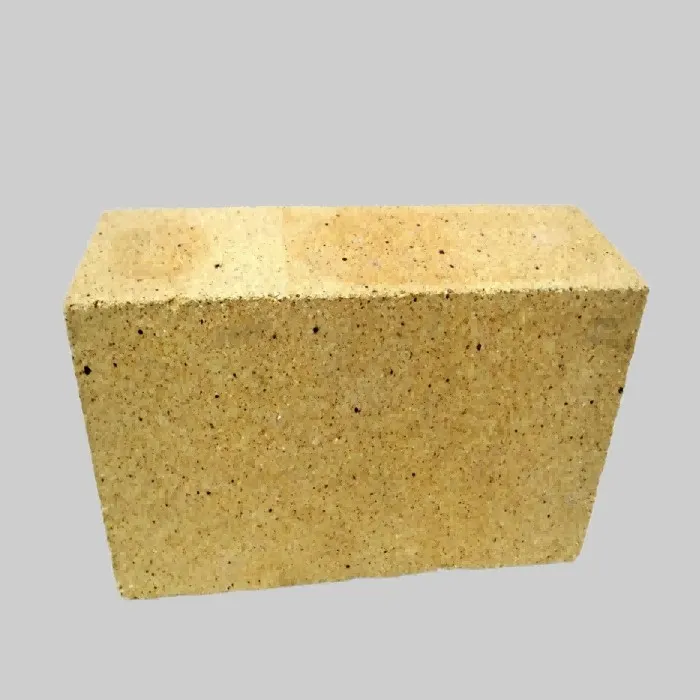
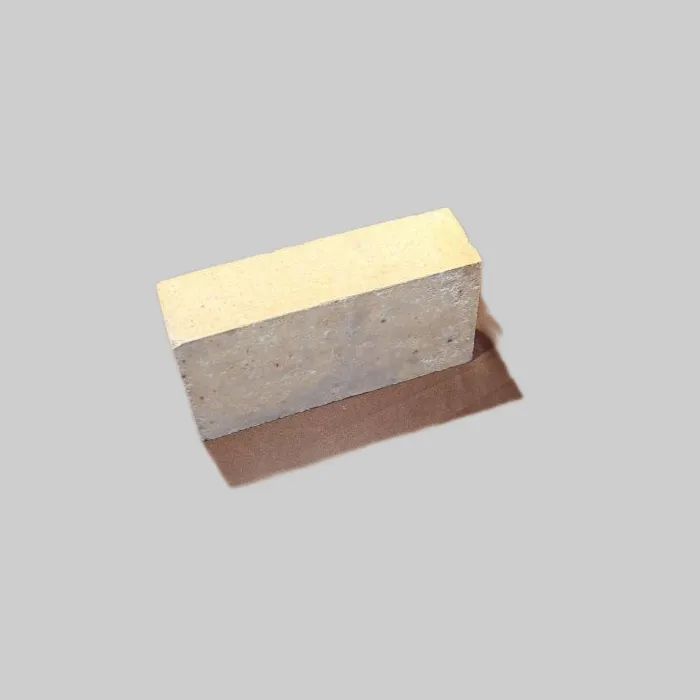
As a high - temp bricks supplier, we are committed to providing high - quality products that can withstand the rigors of high - sulfur environments. Our Fire Bricks 230x114x64mm, Sk34 Brick, and Rotary Kiln Bricks are carefully designed and manufactured to offer the best possible performance in such challenging conditions.
If you are in need of high - temp bricks for your high - sulfur environment applications, we invite you to contact us for a detailed discussion. Our team of experts can provide you with personalized solutions based on your specific requirements.
References
- Reed, J. S. (1995). Principles of Ceramic Processing. John Wiley & Sons.
- Schack, C. V. (1982). Refractories Handbook. McGraw - Hill.
- Schneider, H., Swainson, I., & Pask, J. A. (2002). High - Temperature Ceramics: Properties and Applications. Springer.