

As a tundish nozzle supplier, I've witnessed firsthand the pivotal role that proper tundish nozzle management plays in enhancing the quality of billets and blooms. In this blog post, I'll share insights and strategies on how effective tundish nozzle management can lead to significant improvements in the final product.
Understanding the Significance of Tundish Nozzles
Tundish nozzles are crucial components in the continuous casting process. They control the flow of molten steel from the tundish to the mold, ensuring a consistent and stable stream. The quality of the billets and blooms is directly influenced by the performance of these nozzles. Any irregularities in the flow, such as clogging or uneven distribution, can result in defects in the final product, including surface cracks, internal porosity, and inconsistent dimensions.
Selecting the Right Tundish Nozzles
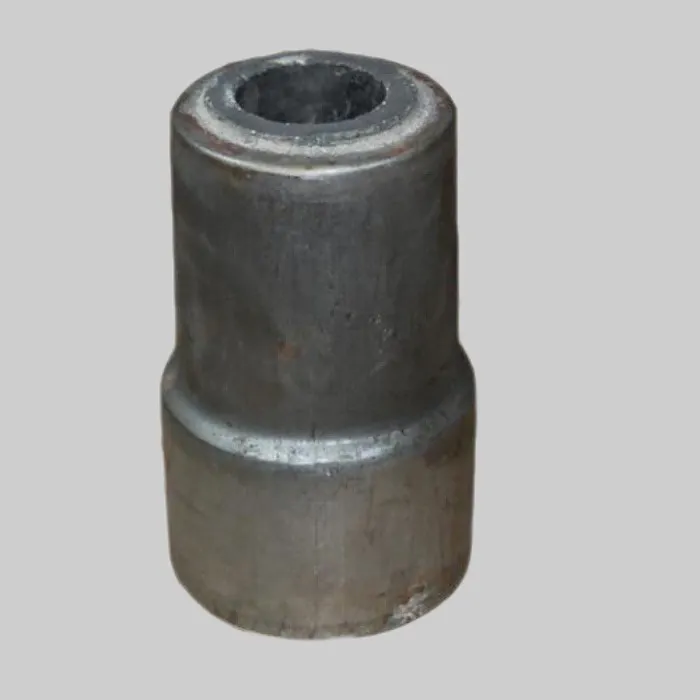
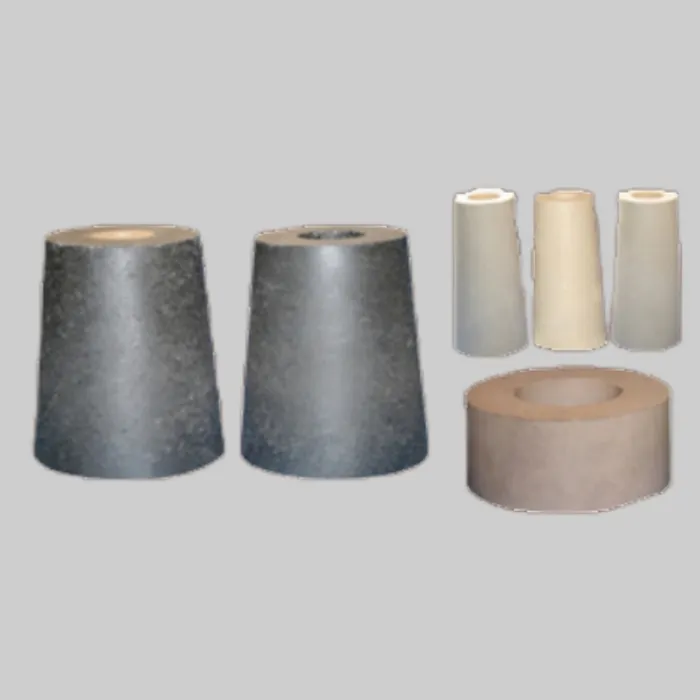
The first step in effective tundish nozzle management is selecting the appropriate nozzles for your specific casting requirements. There are various types of tundish nozzles available, each with its own unique properties and applications. For example, Refractory Ladle Nozzle are designed to withstand high temperatures and chemical erosion, making them suitable for use in harsh casting environments. On the other hand, Zirconium Sizing Nozzle are known for their precise control of the steel flow, which is essential for achieving accurate dimensions in the billets and blooms.
When selecting tundish nozzles, it's important to consider factors such as the type of steel being cast, the casting speed, and the desired quality of the final product. Working closely with a reputable tundish nozzle supplier can help you make informed decisions and choose the most suitable nozzles for your operation.
Installation and Maintenance
Proper installation and maintenance of tundish nozzles are essential for ensuring their optimal performance. During installation, it's important to follow the manufacturer's guidelines carefully to ensure that the nozzles are properly aligned and sealed. Any misalignment or leaks can lead to uneven steel flow and potential defects in the billets and blooms.
Regular maintenance is also crucial for extending the lifespan of the tundish nozzles and preventing issues such as clogging. This includes inspecting the nozzles for signs of wear and damage, cleaning them regularly to remove any buildup of slag or other contaminants, and replacing them as needed. By implementing a comprehensive maintenance program, you can minimize downtime and ensure the consistent quality of your billets and blooms.
Flow Control and Optimization
One of the key challenges in tundish nozzle management is controlling the flow of molten steel to achieve a uniform and stable stream. This is essential for preventing issues such as turbulence, which can lead to the formation of defects in the billets and blooms. There are several techniques that can be used to optimize the flow of steel through the tundish nozzles, including:
- Nozzle Design: The design of the tundish nozzles can have a significant impact on the flow of steel. For example, using nozzles with a tapered or stepped design can help to reduce turbulence and improve the uniformity of the flow.
- Flow Control Devices: Installing flow control devices, such as stopper rods or slide gates, can provide precise control over the flow of steel through the tundish nozzles. These devices can be adjusted to maintain a consistent flow rate and prevent fluctuations in the steel level.
- Tundish Design: The design of the tundish itself can also affect the flow of steel through the nozzles. For example, using a tundish with a well-designed flow distribution system can help to ensure that the steel is evenly distributed across the nozzles, reducing the risk of uneven flow and defects in the billets and blooms.
Monitoring and Quality Control
Monitoring the performance of the tundish nozzles is essential for ensuring the quality of the billets and blooms. This includes regularly measuring the flow rate, temperature, and pressure of the molten steel, as well as inspecting the nozzles for signs of wear and damage. By monitoring these parameters, you can detect any issues early on and take corrective action to prevent defects in the final product.
In addition to monitoring the performance of the tundish nozzles, it's also important to implement a comprehensive quality control program. This includes conducting regular inspections of the billets and blooms to check for defects, such as surface cracks, internal porosity, and inconsistent dimensions. By identifying and addressing any quality issues early on, you can minimize waste and ensure the satisfaction of your customers.
Conclusion
Effective tundish nozzle management is essential for improving the quality of billets and blooms in the continuous casting process. By selecting the right nozzles, installing and maintaining them properly, optimizing the flow of steel, and monitoring and controlling the quality of the final product, you can achieve significant improvements in the efficiency and productivity of your operation.
As a Tundish Nozzle supplier, I'm committed to providing our customers with high-quality products and expert advice on tundish nozzle management. If you're interested in learning more about how we can help you improve the quality of your billets and blooms, please don't hesitate to contact us for a consultation. We look forward to working with you to achieve your casting goals.
References
- [1] Smith, J. (2020). Continuous Casting: Principles and Processes. New York: Wiley.
- [2] Jones, A. (2019). Refractories for the Steel Industry. London: Elsevier.
- [3] Brown, K. (2018). Flow Control in Continuous Casting. Tokyo: Springer.