
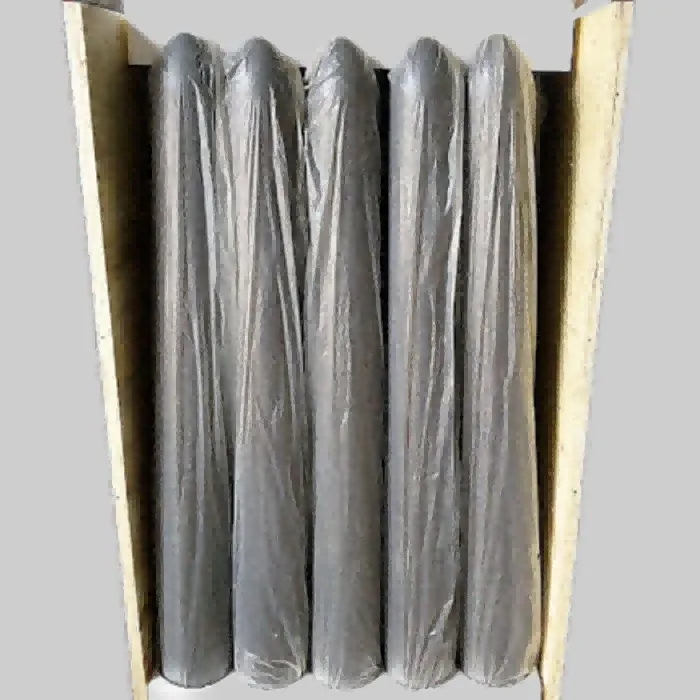
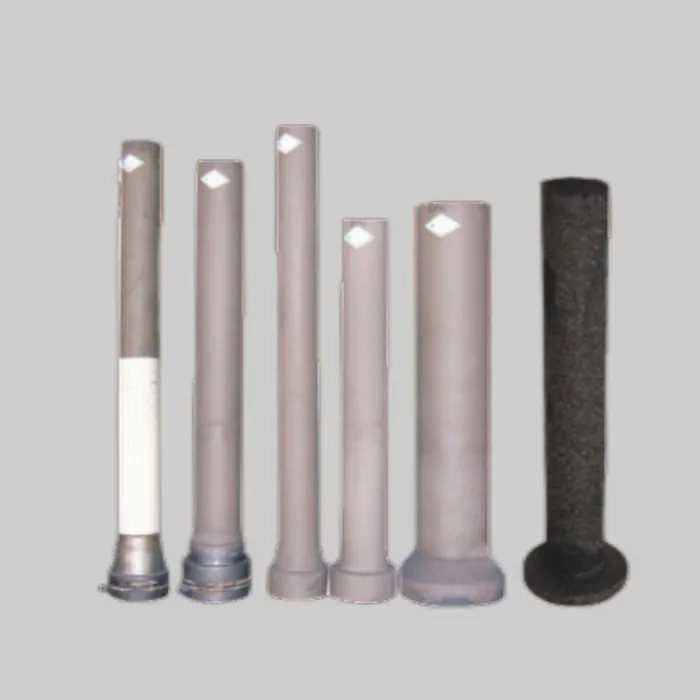
Hey there! As a supplier of sub entry nozzles, I've been getting a lot of questions lately about how to accurately measure the flow rate of these crucial components. So, I thought I'd share some insights and tips based on my experience in the industry.
First off, let's understand why measuring the flow rate of a sub entry nozzle is so important. In the steelmaking process, the sub entry nozzle plays a vital role in controlling the flow of molten steel from the tundish to the mold. An accurate flow rate measurement ensures proper steel quality, reduces the risk of defects, and improves overall process efficiency. If the flow rate is too high, it can cause splashing, slag entrainment, and uneven solidification. On the other hand, a low flow rate can lead to incomplete filling of the mold, resulting in surface defects and poor casting quality.
Now, let's dive into the different methods for measuring the flow rate of a sub entry nozzle.
1. Weighing Method
One of the simplest and most common methods is the weighing method. This involves weighing the amount of steel flowing through the nozzle over a specific period. To do this, you'll need a scale that can accurately measure the weight of the steel. Place the scale beneath the mold or a collection container and record the initial weight. Then, start the casting process and measure the weight again after a set time, say 60 seconds. The difference in weight divided by the time interval gives you the flow rate in kilograms per second.
However, this method has its limitations. It doesn't account for any losses due to splashing or evaporation, and it can be affected by the accuracy of the scale. Also, it's a batch-wise measurement, so it may not provide real-time information about the flow rate during the entire casting process.
2. Ultrasonic Flow Meters
Ultrasonic flow meters are a more advanced option for measuring the flow rate of a sub entry nozzle. These meters work by sending ultrasonic waves through the steel flow and measuring the time it takes for the waves to travel between two transducers. The change in the transit time is related to the flow velocity of the steel, which can then be used to calculate the flow rate.
The advantage of ultrasonic flow meters is that they can provide real-time, non-invasive measurements. They don't require direct contact with the molten steel, which reduces the risk of damage to the meter and contamination of the steel. However, they can be quite expensive, and their accuracy can be affected by factors such as the temperature and composition of the steel.
3. Pressure Differential Method
The pressure differential method is based on the principle that the flow rate of a fluid is related to the pressure difference across a restriction. In the case of a sub entry nozzle, the pressure difference between the tundish and the mold can be measured using pressure sensors. By applying Bernoulli's equation and knowing the geometry of the nozzle, the flow rate can be calculated.
This method is relatively simple and can provide continuous measurements. However, it requires accurate pressure sensors and a good understanding of the fluid dynamics involved. Any changes in the pressure due to factors other than the flow rate, such as changes in the tundish level or clogging of the nozzle, can affect the accuracy of the measurement.
4. Laser Doppler Anemometry (LDA)
Laser Doppler Anemometry is a highly accurate but complex method for measuring the flow rate. It works by shining a laser beam into the steel flow and measuring the Doppler shift of the scattered light. The Doppler shift is proportional to the velocity of the steel particles, which can be used to calculate the flow rate.
LDA can provide detailed information about the flow field, including the velocity profile and turbulence. However, it's a very expensive and specialized technique that requires a high level of expertise to operate. It's also not suitable for continuous monitoring in a production environment.
Factors Affecting Flow Rate Measurement
Regardless of the method you choose, there are several factors that can affect the accuracy of the flow rate measurement. These include:
- Nozzle Design: The shape, size, and internal surface finish of the nozzle can all influence the flow rate. A well-designed nozzle with a smooth internal surface will have a more predictable flow rate compared to a poorly designed one.
- Steel Temperature: The viscosity of the steel decreases with increasing temperature, which can affect the flow rate. It's important to measure the steel temperature accurately and take it into account when calculating the flow rate.
- Clogging: Clogging of the nozzle can significantly reduce the flow rate. Regular inspection and cleaning of the nozzle are essential to ensure accurate measurements.
- Slag Entrainment: Slag entrainment can cause fluctuations in the flow rate and affect the accuracy of the measurement. Proper slag control measures should be in place to minimize this effect.
Tips for Accurate Flow Rate Measurement
Here are some tips to help you get more accurate flow rate measurements:
- Calibrate Your Equipment: Regularly calibrate your measurement equipment, such as scales, pressure sensors, and flow meters, to ensure their accuracy.
- Monitor and Control Process Variables: Keep a close eye on variables such as steel temperature, tundish level, and nozzle clogging. Any changes in these variables can affect the flow rate, so it's important to take corrective action as soon as possible.
- Use Multiple Measurement Methods: Combining different measurement methods can provide more reliable and accurate results. For example, you can use the weighing method for a rough estimate and an ultrasonic flow meter for real-time monitoring.
- Train Your Staff: Make sure your staff is properly trained in the operation and maintenance of the measurement equipment. They should also understand the factors that can affect the flow rate and how to take appropriate action.
Related Products
As a sub entry nozzle supplier, I also offer other related products that can enhance the performance of your casting process. For example, Ladle Shroud is used to protect the molten steel from oxidation and contamination as it flows from the ladle to the tundish. Tundish Shroud further protects the steel as it moves from the tundish to the mold. And Monolithic Stopper is used to control the flow of steel from the tundish to the nozzle.
If you're looking for high-quality sub entry nozzles or any of these related products, feel free to reach out to me. I'd be more than happy to discuss your specific requirements and help you find the best solutions for your casting process.
Conclusion
Accurately measuring the flow rate of a sub entry nozzle is crucial for ensuring the quality and efficiency of the steel casting process. There are several methods available, each with its own advantages and limitations. By understanding the factors that affect the flow rate and following the tips I've shared, you can improve the accuracy of your measurements. And if you need any assistance with sub entry nozzles or related products, don't hesitate to contact me. Let's work together to optimize your casting process and achieve better results.
References
- Smith, J. (2018). Flow Measurement in Steelmaking Processes. Journal of Metallurgical Engineering, 25(3), 123-135.
- Johnson, R. (2019). Advanced Techniques for Measuring Molten Metal Flow. Proceedings of the International Conference on Steelmaking, 45-52.
- Brown, A. (2020). Factors Affecting the Flow Rate of Sub Entry Nozzles. Steel Technology Review, 32(2), 67-78.