

Hey there! I'm a supplier of raw materials for making wall tiles, and I'm super excited to share with you all the cool stuff that goes into creating those beautiful tiles you see on your walls. Wall tiles are not just functional; they're also a key part of interior design, adding style and personality to any space. So, let's dive right in and explore the raw materials that make them possible.
Clay
Clay is like the OG raw material for wall tiles. It's been used for thousands of years, and for good reason. There are different types of clay, each with its own unique properties. Kaolin clay, for example, is super pure and fine-grained. It gives tiles a smooth finish and is great for making high-quality, white or light-colored tiles. Ball clay, on the other hand, is more plastic and sticky. It helps bind the other ingredients together and gives the tiles strength and flexibility during the manufacturing process.
When we talk about using clay for wall tiles, it's not just about digging it up and throwing it into the mix. The clay needs to be processed first. It's usually mined from the ground, then washed to remove any impurities like rocks, sand, and organic matter. After that, it's dried and milled into a fine powder. This powder is then mixed with water and other additives to form a clay body that can be shaped into tiles.
Feldspar
Feldspar is another important raw material. It acts as a flux, which means it lowers the melting point of the other ingredients in the tile mixture. This is crucial because it allows the tiles to be fired at a lower temperature, saving energy and reducing production costs. Feldspar also helps to improve the hardness and durability of the tiles.
There are different types of feldspar, such as potassium feldspar and sodium feldspar. Potassium feldspar is often used because it gives the tiles a nice, glassy surface finish. Sodium feldspar, on the other hand, can help to reduce the viscosity of the molten glass during firing, which is beneficial for creating tiles with a smooth and even texture.
Quartz
Quartz is a hard, crystalline mineral that is commonly used in wall tile production. It adds strength and durability to the tiles, making them resistant to scratches and wear. Quartz also helps to control the shrinkage of the tiles during the firing process, which is important for ensuring that the tiles have the right dimensions and don't crack or warp.
In addition to its practical benefits, quartz can also enhance the aesthetic appeal of the tiles. It can give the tiles a natural, sparkling look, especially when used in combination with other materials. When quartz is added to the tile mixture, it's usually in the form of a fine powder. This powder is then evenly distributed throughout the clay body to ensure consistent properties across the tile.
Talc
Talc is a soft, slippery mineral that is often used in small amounts in wall tile production. It helps to improve the plasticity of the clay body, making it easier to shape the tiles. Talc also acts as a lubricant, reducing friction between the clay and the mold during the forming process.
Another benefit of using talc is that it can help to reduce the porosity of the tiles. This makes the tiles more resistant to water absorption, which is important for preventing stains and damage. However, it's important to use talc in the right amount because too much can make the tiles too soft and brittle.
Pigments
Pigments are what give wall tiles their color. There are a wide variety of pigments available, both natural and synthetic. Natural pigments, such as iron oxide, can be used to create earthy tones like browns, reds, and yellows. Synthetic pigments, on the other hand, offer a much wider range of colors and can be more consistent in terms of color quality.
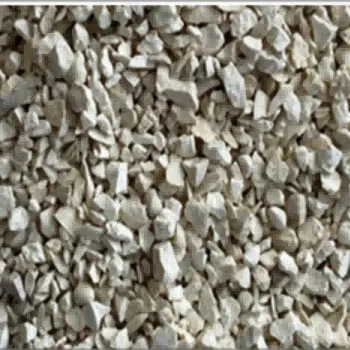
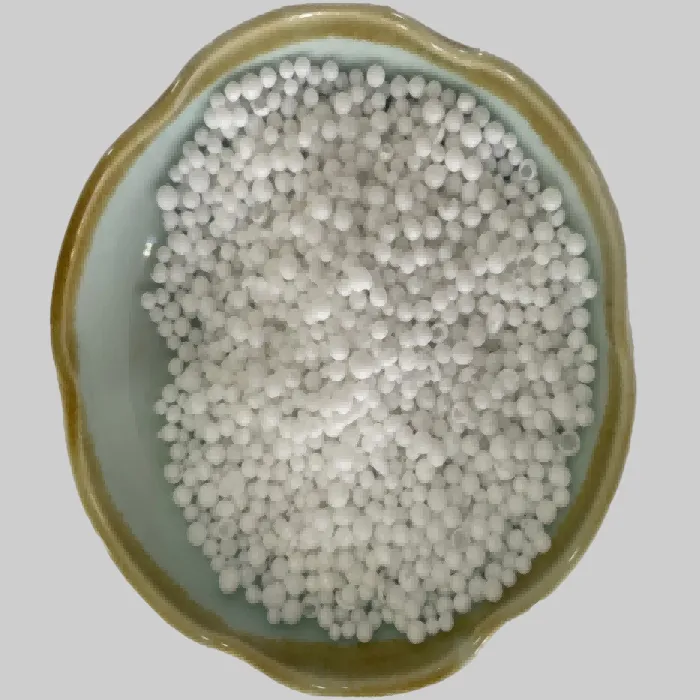
When choosing pigments for wall tiles, it's important to consider their heat resistance. The pigments need to be able to withstand the high temperatures of the firing process without changing color or losing their intensity. This ensures that the tiles will have a long-lasting, vibrant color.
Synthetic Cordierite
Synthetic Cordierite is a special material that is sometimes used in wall tile production. It has a low thermal expansion coefficient, which means it doesn't expand or contract much when heated or cooled. This is really important for preventing the tiles from cracking or breaking due to temperature changes.
Synthetic Cordierite also has good mechanical properties, such as high strength and hardness. It can improve the overall performance of the tiles, making them more durable and resistant to damage. If you're looking for high-quality wall tiles that can withstand extreme conditions, Synthetic Cordierite is definitely a material to consider.
Bubble Alumina
Bubble Alumina is another interesting raw material for wall tiles. It consists of small, hollow spheres of alumina, which gives the tiles a lightweight and insulating property. This can be beneficial for reducing energy consumption in buildings, especially in areas with extreme temperatures.
Bubble Alumina also has good chemical resistance, which means it can protect the tiles from damage caused by chemicals and pollutants. It can also improve the fire resistance of the tiles, making them a safer choice for certain applications.
Other Additives
In addition to the main raw materials, there are also a number of other additives that can be used in wall tile production. These additives can help to improve the processing properties of the clay body, enhance the performance of the tiles, or add special features.
For example, binders can be used to improve the cohesion of the clay body and prevent it from falling apart during the forming process. Deflocculants can be used to reduce the viscosity of the clay slurry, making it easier to mix and shape. And water repellents can be added to the tiles to make them more resistant to water and stains.
Why Choose Us as Your Raw Material Supplier
As a raw material supplier, we take pride in offering high-quality materials that meet the needs of our customers. We have a wide range of raw materials available, including all the ones I've mentioned above. Our materials are carefully sourced and tested to ensure their quality and consistency.
We also have a team of experts who can provide technical support and advice. Whether you're a small tile manufacturer or a large-scale producer, we can work with you to find the right raw materials for your specific requirements. We understand that every project is unique, and we're committed to helping you achieve the best results.
If you're interested in purchasing raw materials for your wall tile production, we'd love to hear from you. We can offer competitive prices, reliable delivery, and excellent customer service. So, don't hesitate to get in touch with us to start a conversation about your needs.
In conclusion, wall tile production is a complex process that involves a variety of raw materials. Each material plays a specific role in determining the properties and performance of the tiles. By understanding these raw materials and choosing the right ones, you can create high-quality wall tiles that are both beautiful and functional.
References
- "Ceramic Tile Technology" by John A. Schreifels
- "Handbook of Ceramic Raw Materials" by Peter W. McMillan