

As a supplier of tundish nozzles, optimizing heat transfer through nozzle design is a critical aspect of our business. Tundish nozzles play a vital role in the continuous casting process, where efficient heat transfer is essential for ensuring the quality of the final steel product. In this blog, we will explore various strategies and considerations for optimizing heat transfer through tundish nozzle design.
Understanding the Importance of Heat Transfer in Tundish Nozzles
The tundish is an intermediate vessel between the ladle and the mold in the continuous casting process. Tundish nozzles are used to control the flow of molten steel from the tundish into the mold. During this process, heat transfer occurs between the molten steel, the nozzle material, and the surrounding environment. Proper heat transfer is crucial for several reasons:
- Solidification Control: Maintaining the right temperature of the molten steel as it passes through the nozzle is essential for controlling the solidification process in the mold. If the heat transfer is too rapid, premature solidification may occur, leading to blockages in the nozzle and affecting the casting process. On the other hand, if the heat transfer is too slow, the steel may not solidify properly in the mold, resulting in defects in the final product.
- Nozzle Life: Excessive heat transfer can cause thermal stress on the nozzle material, leading to cracking and erosion. By optimizing heat transfer, we can reduce thermal stress and extend the service life of the nozzle, which in turn reduces production costs and downtime.
- Product Quality: Consistent heat transfer ensures uniform temperature distribution in the molten steel, which is essential for producing high - quality steel products with uniform mechanical properties.
Factors Affecting Heat Transfer in Tundish Nozzles
Several factors influence heat transfer through tundish nozzles. Understanding these factors is the first step in optimizing heat transfer through nozzle design.
Nozzle Material
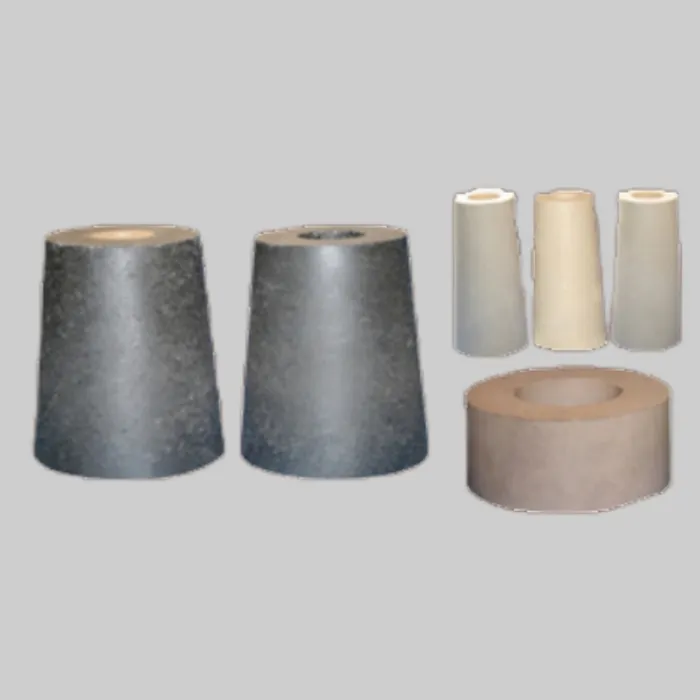
The choice of nozzle material has a significant impact on heat transfer. Different materials have different thermal conductivities, which determine how quickly heat can be transferred through the nozzle. For example, zirconia - based materials, such as the Zirconia Nozzle, have relatively low thermal conductivities. This means that they can act as insulators, reducing the rate of heat transfer from the molten steel to the surrounding environment. On the other hand, some refractory materials with higher thermal conductivities may be used in certain applications where more rapid heat dissipation is required.
Nozzle Geometry
The geometry of the nozzle, including its diameter, length, and shape, also affects heat transfer. A larger diameter nozzle may have a greater surface area in contact with the molten steel, which can increase the rate of heat transfer. However, a very large diameter may also lead to uneven flow and temperature distribution. The length of the nozzle can also influence heat transfer. A longer nozzle provides more time for heat transfer to occur between the molten steel and the nozzle material. Additionally, the shape of the nozzle, such as a tapered or straight design, can affect the flow pattern of the molten steel, which in turn affects heat transfer.
Flow Rate of Molten Steel
The flow rate of the molten steel through the nozzle is another important factor. A higher flow rate means that the molten steel spends less time in contact with the nozzle, reducing the amount of heat transfer. Conversely, a lower flow rate allows more time for heat transfer to occur. However, the flow rate must be carefully controlled to ensure a stable casting process.
Strategies for Optimizing Heat Transfer through Nozzle Design
Material Selection and Coating
As mentioned earlier, selecting the right nozzle material is crucial for optimizing heat transfer. We can also use coatings on the nozzle to further control heat transfer. For example, a thermal barrier coating can be applied to the inner surface of the nozzle to reduce the rate of heat transfer from the molten steel to the nozzle material. This can help to maintain the temperature of the molten steel and reduce thermal stress on the nozzle. Additionally, some coatings can improve the wear resistance of the nozzle, which is beneficial for its long - term performance.
Geometry Optimization
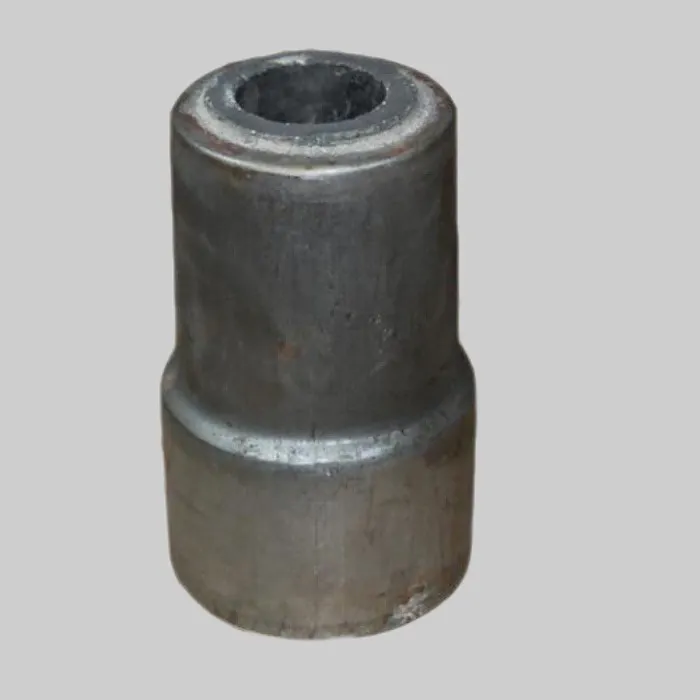
We can optimize the geometry of the nozzle to enhance heat transfer. For instance, a stepped or multi - diameter design can be used to control the flow rate and temperature distribution of the molten steel. A stepped nozzle can create different flow velocities at different sections, which can help to achieve a more uniform temperature distribution. Another approach is to use a porous or honeycomb - like structure in the nozzle design. This can increase the surface area available for heat transfer while also providing some insulation properties.
Incorporating Insulation Layers
Adding insulation layers to the outer part of the nozzle can reduce heat loss to the surrounding environment. These insulation layers can be made of materials with low thermal conductivities, such as ceramic fibers. By reducing heat loss, we can maintain the temperature of the molten steel and improve the efficiency of the casting process.
Case Studies and Real - World Applications
To illustrate the effectiveness of these strategies, let's consider some real - world examples. In a recent project, we designed a tundish nozzle with a zirconia - based material and a thermal barrier coating. The nozzle had a stepped geometry to control the flow of molten steel. The results showed a significant improvement in heat transfer control. The temperature of the molten steel at the exit of the nozzle was more consistent, and the thermal stress on the nozzle was reduced, leading to a longer service life.
In another case, we incorporated an insulation layer made of ceramic fibers on the outer surface of a Zirconium Sizing Nozzle. This design reduced heat loss to the environment, resulting in a more stable casting process and improved product quality.
Conclusion
Optimizing heat transfer through tundish nozzle design is a complex but essential task for ensuring a successful continuous casting process. By considering factors such as material selection, geometry optimization, and the use of coatings and insulation layers, we can improve heat transfer control, extend nozzle life, and enhance the quality of the final steel product.
If you are interested in learning more about our tundish nozzles and how we can optimize heat transfer for your specific application, please contact us for a detailed discussion. Our team of experts is ready to work with you to find the best solutions for your casting needs. Whether you need a Zirconia Nozzle, a Zirconium Sizing Nozzle, or a Refractory Ladle Nozzle, we have the expertise and products to meet your requirements.
References
- Smith, J. R., & Johnson, A. B. (2018). Heat Transfer in Continuous Casting Processes. Journal of Metallurgical Engineering, 25(3), 123 - 135.
- Brown, C. D., & Lee, E. F. (2019). Advances in Tundish Nozzle Design for Improved Heat Transfer. International Journal of Casting Research, 32(2), 89 - 98.
- Wilson, G. H., & Thompson, I. J. (2020). Influence of Nozzle Material on Heat Transfer in Tundish Nozzles. Proceedings of the 10th International Conference on Steel Casting, 234 - 241.