

Sub entry nozzles, also known as submerged entry nozzles (SENs), are critical components in various industrial processes, particularly in the field of metal casting. However, a question that often arises is whether these nozzles can be effectively used in chemical processing. As a supplier of sub entry nozzles, I am well - versed in the capabilities and limitations of these products, and I am here to explore this topic in detail.
Understanding Sub Entry Nozzles
Sub entry nozzles are designed to control the flow of molten materials from a tundish to a mold during the continuous casting process. They are typically made of refractory materials that can withstand high temperatures and the corrosive nature of molten metals. The main functions of sub entry nozzles include preventing oxidation of the molten metal, reducing turbulence, and ensuring a smooth and controlled flow into the mold.
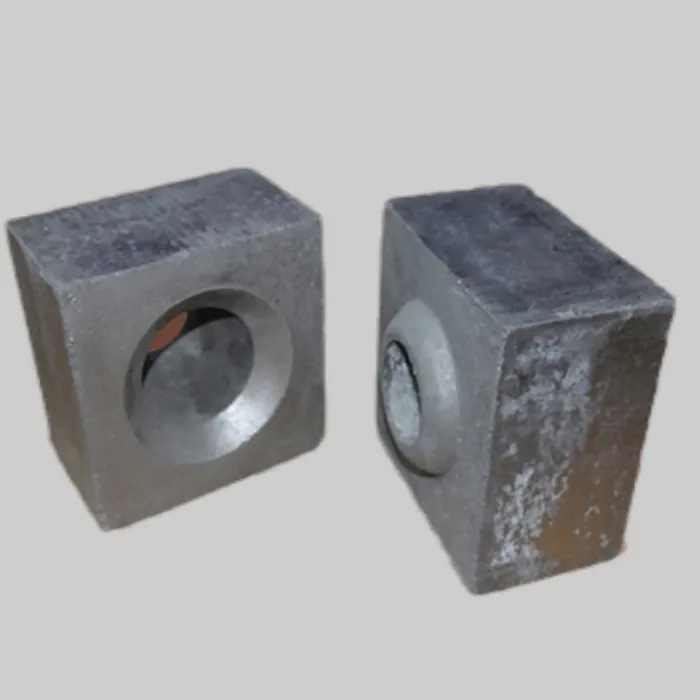
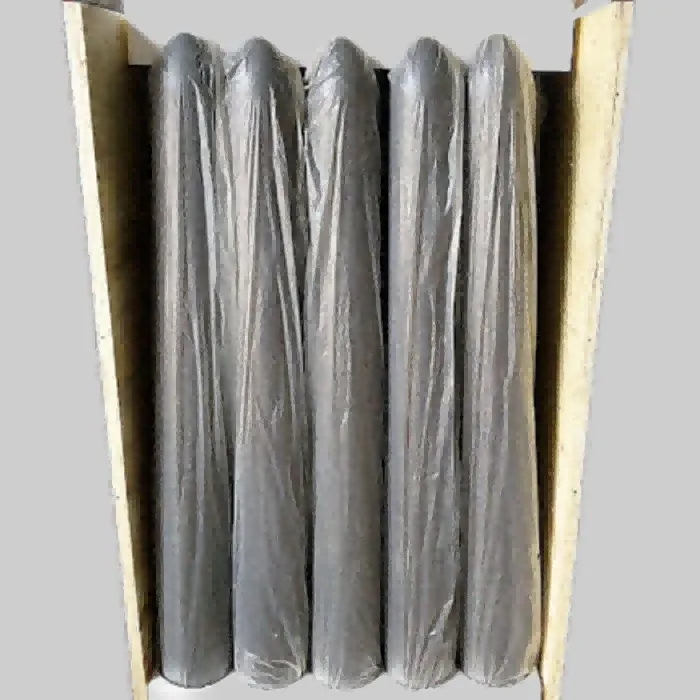
In the context of chemical processing, the key properties of sub entry nozzles that might be relevant are their resistance to high temperatures, chemical corrosion, and their ability to control fluid flow. These properties are crucial because many chemical processes involve high - temperature reactions, corrosive chemicals, and the need for precise flow control.
Chemical Processing Requirements
Chemical processing encompasses a wide range of operations, from simple mixing and separation to complex chemical reactions. Each process has its own unique requirements in terms of temperature, pressure, chemical compatibility, and flow control.
- Temperature Resistance: Many chemical reactions occur at elevated temperatures. For example, in the production of certain polymers, the reaction temperature can reach several hundred degrees Celsius. Sub entry nozzles made of high - quality refractory materials have the potential to withstand such high temperatures, making them a candidate for use in these high - temperature chemical processes.
- Chemical Corrosion Resistance: Chemical processing often involves the use of highly corrosive substances such as acids, alkalis, and strong oxidizing agents. A sub entry nozzle must be able to resist corrosion from these chemicals to maintain its structural integrity and functionality over time. Some advanced refractory materials used in sub entry nozzles have excellent chemical resistance, which can be beneficial in chemical processing environments.
- Flow Control: Precise flow control is essential in chemical processing to ensure consistent product quality and efficient operation. Sub entry nozzles are designed to control the flow of fluids, and their design can be optimized to meet the specific flow requirements of different chemical processes. For instance, in a continuous chemical reactor, a well - designed sub entry nozzle can ensure a uniform flow of reactants into the reactor, leading to better reaction efficiency.
Applications of Sub Entry Nozzles in Chemical Processing
While sub entry nozzles are more commonly associated with metal casting, there are several potential applications in chemical processing.
- Continuous Chemical Reactors: In continuous chemical reactors, sub entry nozzles can be used to introduce reactants into the reactor at a controlled rate. This can help to maintain a stable reaction environment and improve the overall efficiency of the reaction. For example, in the production of ammonia, a sub entry nozzle can be used to introduce nitrogen and hydrogen gases into the reactor in a precise ratio, ensuring optimal reaction conditions.
- Distillation and Separation Processes: In distillation columns and other separation equipment, sub entry nozzles can be used to control the flow of liquids and gases. They can help to improve the separation efficiency by ensuring a uniform distribution of the feed stream across the column. For instance, in a petroleum refinery, sub entry nozzles can be used to introduce crude oil into a distillation column, ensuring a more efficient separation of different hydrocarbon fractions.
Challenges and Considerations
Despite the potential applications of sub entry nozzles in chemical processing, there are also several challenges and considerations that need to be addressed.
- Material Compatibility: While some refractory materials used in sub entry nozzles have good chemical resistance, not all materials are suitable for every chemical process. It is essential to carefully select the material of the sub entry nozzle based on the specific chemicals involved in the process. For example, a nozzle made of a material that is resistant to acids may not be suitable for a process involving strong alkalis.
- Design Optimization: The design of sub entry nozzles for metal casting may need to be modified to meet the specific requirements of chemical processing. For example, the shape and size of the nozzle opening may need to be adjusted to achieve the desired flow rate and distribution in a chemical reactor.
- Cost - effectiveness: Implementing sub entry nozzles in chemical processing may involve additional costs, such as the cost of the nozzle itself, installation, and maintenance. It is important to evaluate the cost - effectiveness of using sub entry nozzles in a particular chemical process, considering factors such as the potential improvement in product quality and process efficiency.
Related Products in the Refractory Industry
In the refractory industry, there are several related products that are used in conjunction with sub entry nozzles or have similar applications in industrial processes.
- Well Blcok: Well blocks are important components in the tundish system. They are used to support and guide the flow of molten metal from the ladle to the sub entry nozzle. In chemical processing, a well - designed well block could potentially be used to manage the flow of chemicals in a similar way, ensuring a smooth transition from one part of the process to another.
- Tundish Shroud: Tundish shrouds are used to protect the molten metal from oxidation during the transfer from the tundish to the mold. In chemical processing, a similar concept could be applied to protect sensitive chemicals from reacting with the atmosphere or other contaminants during transfer.
- Monolithic Stopper: Monolithic stoppers are used to control the flow of molten metal in the tundish. In chemical processing, they could potentially be used to control the flow of chemicals in a container or a pipeline, providing an additional level of flow control.
Conclusion
In conclusion, sub entry nozzles have the potential to be used in chemical processing due to their high - temperature resistance, chemical corrosion resistance, and flow control capabilities. However, careful consideration must be given to material compatibility, design optimization, and cost - effectiveness. With the right selection and adaptation, sub entry nozzles can offer significant benefits in terms of improving process efficiency and product quality in chemical processing.
If you are involved in chemical processing and are interested in exploring the use of sub entry nozzles in your operations, I encourage you to reach out for a detailed discussion. We can work together to determine the most suitable sub entry nozzle solution for your specific needs, taking into account all the relevant factors. Whether you are looking for a standard product or a custom - designed solution, we are here to assist you.
References
- Smith, J. (2018). Refractory Materials in High - Temperature Industrial Processes. Industrial Materials Journal, 25(3), 123 - 135.
- Johnson, R. (2019). Flow Control in Chemical Processing: Principles and Applications. Chemical Engineering Review, 40(2), 78 - 90.
- Brown, A. (2020). Chemical Compatibility of Refractory Materials. Materials Science and Technology, 32(4), 567 - 579.