

As a supplier of AZS blocks, I am excited to share with you the numerous advantages of these high - performance refractory materials. AZS blocks, also known as alumina - zirconia - silica blocks, have become a staple in various industries due to their outstanding properties.
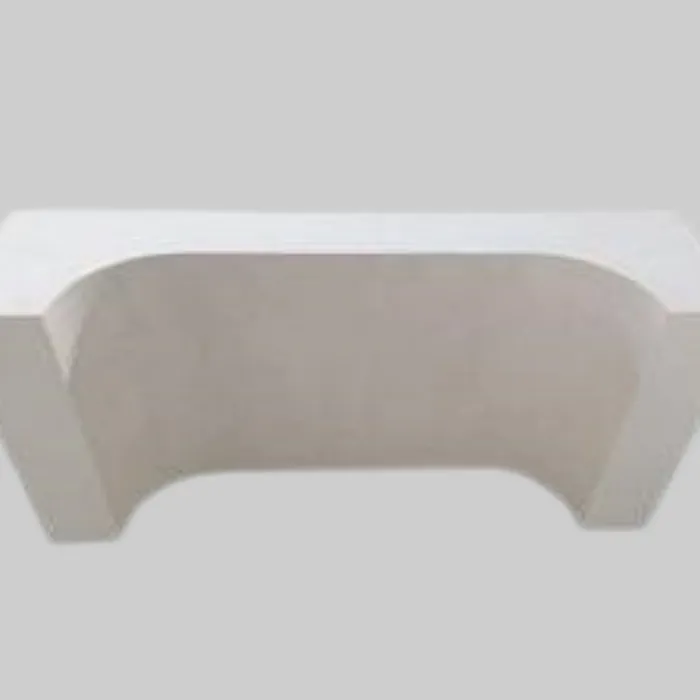
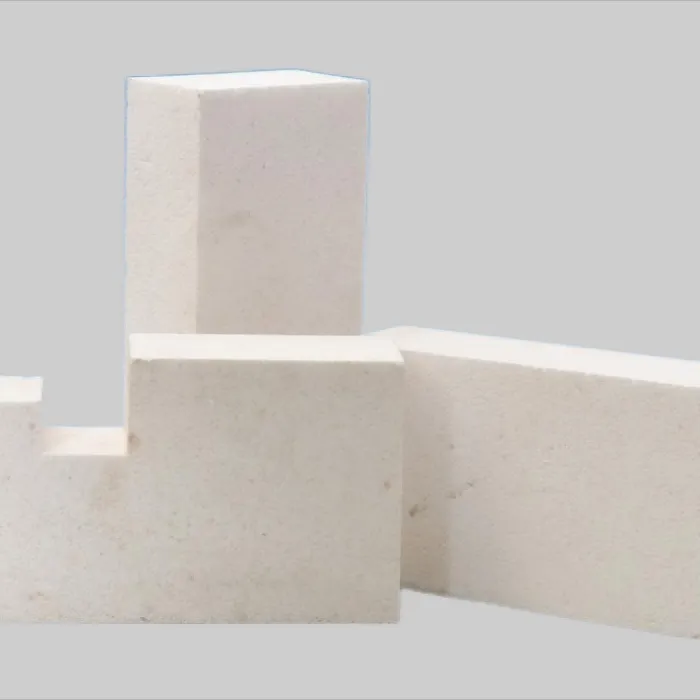
High Refractoriness
One of the most significant advantages of AZS blocks is their high refractoriness. Refractoriness refers to the ability of a material to withstand high temperatures without melting or deforming. AZS blocks can endure temperatures up to 1700 - 1800°C, which makes them ideal for use in environments where extreme heat is present. For example, in glass melting furnaces, the molten glass can reach temperatures of around 1500 - 1600°C. AZS blocks lining the furnace can maintain their structural integrity under such intense heat, ensuring the long - term operation of the furnace. This high refractoriness also reduces the need for frequent replacements, saving both time and money for the end - users.
Excellent Corrosion Resistance
AZS blocks exhibit excellent corrosion resistance against molten glass, slag, and other aggressive substances. In glass manufacturing, the molten glass contains various chemical components that can be highly corrosive to many materials. However, the unique chemical composition of AZS blocks, which consists of alumina (Al₂O₃), zirconia (ZrO₂), and silica (SiO₂), provides a high level of resistance to chemical attack. The zirconia in AZS blocks forms a stable crystalline structure that acts as a barrier, preventing the penetration of corrosive agents. This corrosion resistance extends the service life of the furnace lining and helps to maintain the quality of the glass product by preventing contamination from the refractory material.
Low Porosity
Another advantage of AZS blocks is their low porosity. Porosity is an important factor in refractory materials as it affects their permeability and resistance to corrosion. AZS blocks are produced through a special manufacturing process, such as the fused - cast method, which results in a dense structure with low porosity. The low porosity reduces the infiltration of molten glass or other fluids into the block, thereby enhancing its corrosion resistance and mechanical strength. A lower porosity also means that the block is less likely to absorb moisture, which can cause cracking and spalling when exposed to high temperatures.
Good Thermal Shock Resistance
Thermal shock resistance is crucial for refractory materials used in applications where there are rapid temperature changes. AZS blocks have relatively good thermal shock resistance. The combination of alumina, zirconia, and silica in the block helps to absorb and dissipate thermal stress. When the temperature changes suddenly, the block can withstand the stress without cracking or breaking. This property is especially important in glass melting furnaces, where the furnace may be heated and cooled during the production process. The ability of AZS blocks to resist thermal shock ensures the stability of the furnace lining and reduces the risk of furnace failure.
High Mechanical Strength
AZS blocks possess high mechanical strength, which allows them to withstand the mechanical forces exerted during the operation of industrial furnaces. In a glass melting furnace, for example, the blocks need to support the weight of the molten glass and the pressure from the furnace structure. The high mechanical strength of AZS blocks ensures that they can maintain their shape and position under these loads. This strength also makes the blocks suitable for use in large - scale industrial applications where heavy - duty refractory materials are required.
Versatility
AZS blocks are highly versatile and can be used in a wide range of industries. In addition to the glass industry, they are also used in the steel, cement, and non - ferrous metal industries. In the steel industry, AZS blocks can be used in the lining of ladles and tundishes to withstand the high - temperature and corrosive environment of molten steel. In the cement industry, they can be used in the kiln lining to resist the abrasion and corrosion caused by the cement clinker. The versatility of AZS blocks makes them a popular choice for various industrial applications.
Types of AZS Blocks
There are different types of AZS blocks available in the market, each with its own specific properties and applications. Zirconium Corundum Brick is a type of AZS block that contains a high proportion of zirconia and corundum. It has excellent corrosion resistance and is often used in the most demanding parts of glass melting furnaces, such as the throat and the feeder channels.
AZS Brick is a more general - purpose type of AZS block. It has a balanced composition of alumina, zirconia, and silica, providing a good combination of refractoriness, corrosion resistance, and mechanical strength. AZS bricks are widely used in various parts of glass melting furnaces, including the side walls and the crown.
Fused Cast Azs Block is produced by melting the raw materials in an electric arc furnace and then casting them into molds. This manufacturing process results in a dense and homogeneous structure, giving the block superior properties in terms of corrosion resistance, refractoriness, and mechanical strength. Fused - cast AZS blocks are often used in the most critical areas of industrial furnaces where high - performance refractory materials are required.
Conclusion
In conclusion, AZS blocks offer a wide range of advantages, including high refractoriness, excellent corrosion resistance, low porosity, good thermal shock resistance, high mechanical strength, and versatility. These properties make them an ideal choice for various industrial applications, especially in the glass manufacturing industry. As a supplier of AZS blocks, we are committed to providing high - quality products that meet the specific needs of our customers. If you are interested in purchasing AZS blocks for your industrial application, please feel free to contact us for further information and to discuss your requirements. We look forward to the opportunity to work with you and to provide you with the best refractory solutions.
References
- "Refractories Handbook", edited by the Refractories Institute.
- "Advanced Refractory Technology" by John Smith.
- Industry reports on glass manufacturing and refractory materials.