

Hey there! As an alumina brick supplier, I've been dealing with dry - pressed alumina bricks for quite a while. So, I thought I'd share with you the characteristics of these awesome bricks.
High Alumina Content
First off, dry - pressed alumina bricks typically have a high alumina content. Alumina, also known as aluminum oxide (Al₂O₃), is a key ingredient. The higher the alumina content, the better the performance of the brick. These bricks usually contain anywhere from 48% to over 90% alumina. The high alumina gives them excellent refractoriness, which means they can withstand extremely high temperatures without melting or deforming. For example, in industrial furnaces where temperatures can soar up to 1800°C, dry - pressed alumina bricks hold up really well. They are used in applications like steelmaking, where the intense heat of the molten metal requires a material that won't break down easily. You can check out our High Heat Resistant Bricks which are a great example of this high - alumina performance.
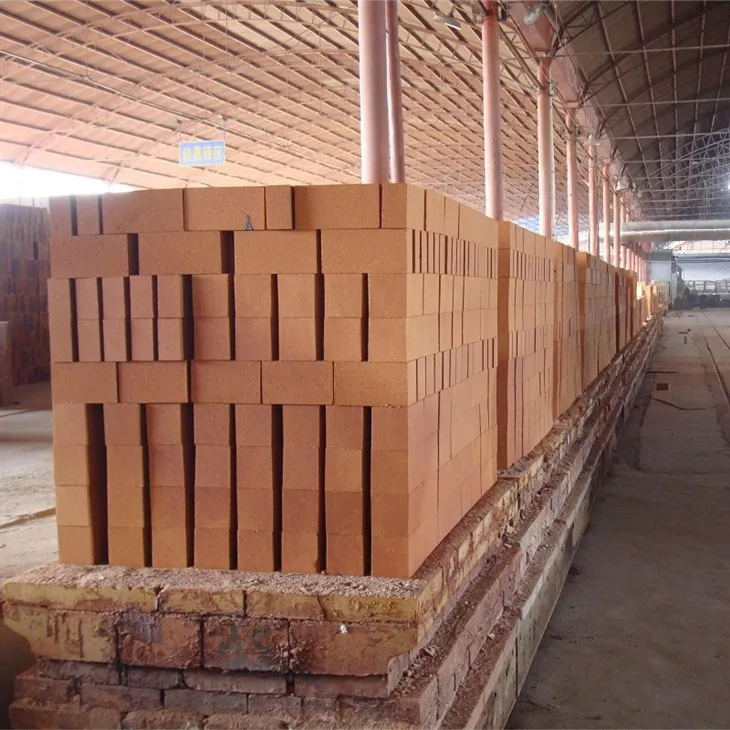
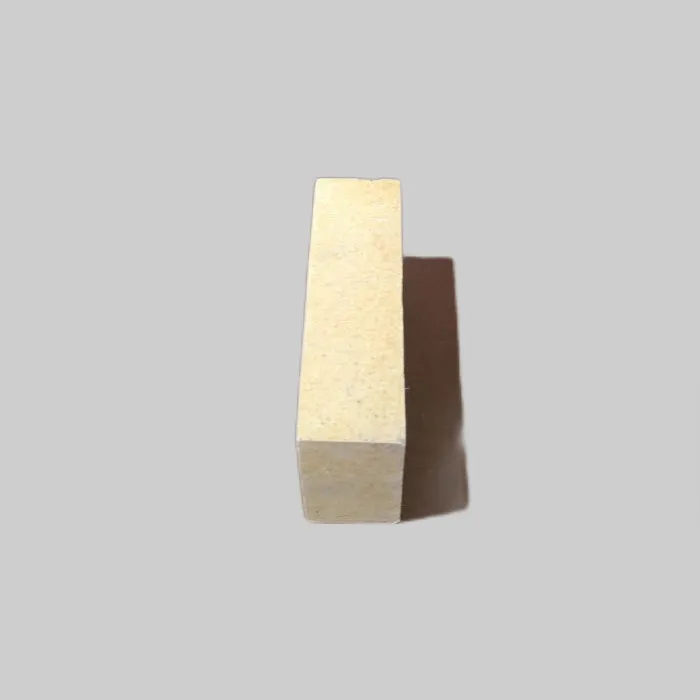
Good Density and Strength
Dry - pressing is a manufacturing process that results in bricks with good density. The dry powder is compressed under high pressure, which squeezes out any air pockets and makes the brick very dense. This high density contributes to the brick's strength. These bricks are tough and can handle a lot of mechanical stress. Whether it's the weight of other materials in a furnace or the impact from moving equipment, dry - pressed alumina bricks can take it. They are often used in areas where there is a risk of abrasion, like in the linings of cement kilns. The constant movement of the raw materials inside the kiln would wear down a weaker brick, but the strong dry - pressed alumina bricks can last for a long time. If you're looking for a durable option, our Hard Fire Brick is a great choice.
Low Porosity
Another important characteristic is low porosity. Since the dry - pressing process compacts the powder tightly, there are fewer pores in the brick. Low porosity is beneficial in several ways. Firstly, it reduces the absorption of molten metals and slags. In a metal - smelting environment, if a brick has high porosity, the molten metal can seep into the pores and cause the brick to deteriorate. With low - porosity dry - pressed alumina bricks, this is less of a problem. Secondly, low porosity also means better resistance to chemical attack. Chemicals in the furnace environment, such as acidic or alkaline gases, are less likely to penetrate the brick and cause corrosion. This makes these bricks suitable for use in chemical plants and other industrial settings where there are harsh chemical conditions. Our Refractory Brick for Fireplace also benefits from this low - porosity feature, as it helps to keep the fireplace in good condition over time.
Thermal Shock Resistance
Dry - pressed alumina bricks have decent thermal shock resistance. Thermal shock occurs when there are rapid changes in temperature. For example, when a furnace is heated up quickly or cooled down suddenly. These temperature changes can cause a material to expand or contract rapidly, which can lead to cracking. However, dry - pressed alumina bricks are designed to handle these temperature swings to a certain extent. Their composition and structure allow them to expand and contract without breaking easily. This is crucial in applications like glass manufacturing, where the glass - melting furnaces are heated and cooled regularly. The ability of the bricks to withstand thermal shock ensures the long - term stability of the furnace lining.
Chemical Stability
Chemically, dry - pressed alumina bricks are very stable. They don't react easily with most substances at high temperatures. This chemical stability is a big advantage in industrial processes. For instance, in the production of ceramics, the bricks can be used in the kilns without affecting the quality of the ceramic products. They won't release any harmful substances or react with the ceramic materials during the firing process. This makes them a reliable choice for industries that require a clean and stable environment for their manufacturing processes.
Insulating Properties
Although they are mainly known for their high - temperature resistance, dry - pressed alumina bricks also have some insulating properties. They can help to reduce heat loss from a furnace or other high - temperature equipment. This is important for energy efficiency. By keeping the heat inside the furnace, less energy is needed to maintain the desired temperature. In large industrial furnaces, this can result in significant cost savings over time.
Uniformity
The dry - pressing manufacturing process ensures a high degree of uniformity in the bricks. Each brick has consistent dimensions, density, and composition. This uniformity is essential for proper installation. When building a furnace lining or any other structure with these bricks, the uniform size and properties make it easier to fit the bricks together tightly. A well - fitted lining is more effective at containing heat and preventing leaks. It also reduces the risk of weak spots in the structure, which could lead to premature failure.
Ease of Installation
Dry - pressed alumina bricks are relatively easy to install. Their regular shape and size make them straightforward to handle and place. Whether you're a professional installer or a DIY enthusiast, you won't have too much trouble working with these bricks. This ease of installation can save time and labor costs when setting up a high - temperature application.
Cost - Effectiveness
In the long run, dry - pressed alumina bricks are cost - effective. Their durability and long lifespan mean that you don't have to replace them as often as some other types of bricks. Although the initial cost might be a bit higher than some lower - quality options, the savings in terms of reduced replacement and maintenance costs make them a smart investment.
If you're in the market for high - quality dry - pressed alumina bricks, I'd love to talk to you. Whether you're building a new industrial furnace, a fireplace, or any other high - temperature application, we have the right products for you. Just reach out, and we can start discussing your specific needs and how our alumina bricks can meet them.
References
- Handbook of Refractory Technology, various authors
- Industrial Furnace Design and Operation Manual, industry experts
So, don't hesitate to get in touch if you're interested in purchasing these amazing dry - pressed alumina bricks. We're here to help you make the best choice for your project.