

As a seasoned ladle shroud supplier, I've witnessed firsthand the critical role these components play in the continuous casting process. Ladle shrouds are essential for protecting molten steel from oxidation and contamination during the transfer from the ladle to the tundish. However, like any industrial equipment, they are prone to several common failures that can disrupt operations and compromise the quality of the final product. In this blog post, I'll delve into these common failures, their causes, and potential solutions.
1. Erosion
Erosion is one of the most prevalent issues faced by ladle shrouds. It occurs when the refractory material of the shroud is worn away by the high - velocity flow of molten steel. The constant impact of the steel stream against the inner wall of the shroud gradually removes the refractory material, thinning the shroud and eventually leading to its failure.
The main cause of erosion is the high temperature and high - velocity flow of molten steel. The velocity of the steel stream can be affected by factors such as the ladle height, the nozzle size, and the pouring rate. Additionally, the chemical composition of the molten steel can also contribute to erosion. For example, steel with a high content of certain elements like sulfur and phosphorus can be more corrosive to the refractory material.
To mitigate erosion, it's crucial to select high - quality refractory materials with good erosion resistance. Advanced refractory materials, such as those containing zirconia or alumina, can provide better protection against the abrasive action of molten steel. Regular monitoring of the ladle shroud's thickness during operation can also help detect early signs of erosion, allowing for timely replacement.
2. Thermal Shock
Thermal shock is another significant failure mode for ladle shrouds. When a cold ladle shroud is suddenly exposed to the extremely high temperature of molten steel, it experiences rapid heating. This causes uneven expansion within the refractory material, leading to the formation of cracks. These cracks can propagate quickly, eventually causing the shroud to break or lose its integrity.
The severity of thermal shock depends on several factors, including the heating rate, the thermal expansion coefficient of the refractory material, and the design of the ladle shroud. A higher heating rate increases the stress on the material, making it more susceptible to cracking. Refractory materials with a high thermal expansion coefficient are also more likely to experience thermal shock.
To prevent thermal shock, pre - heating the ladle shroud before use is a common practice. This gradually raises the temperature of the shroud, reducing the thermal gradient and minimizing the stress caused by rapid heating. Using refractory materials with low thermal expansion coefficients can also help mitigate the effects of thermal shock.
3. Clogging
Clogging of the ladle shroud is a serious problem that can disrupt the continuous casting process. It occurs when solid particles, such as alumina inclusions in the molten steel, accumulate inside the shroud, blocking the flow of steel. This can lead to uneven pouring, inconsistent product quality, and even complete blockage of the shroud.
The main cause of clogging is the presence of non - metallic inclusions in the molten steel. These inclusions can stick to the inner wall of the ladle shroud, gradually building up over time. The flow characteristics of the molten steel, such as its viscosity and turbulence, can also affect the likelihood of clogging.
To address clogging, proper steelmaking practices are essential. This includes effective de - oxidation and desulfurization processes to reduce the amount of inclusions in the molten steel. Installing filters or purging systems in the ladle can also help remove inclusions before the steel enters the shroud. Additionally, using anti - clogging coatings on the inner surface of the ladle shroud can prevent inclusions from adhering to the wall.
4. Mechanical Damage
Mechanical damage can occur during handling, installation, or operation of the ladle shroud. Improper handling, such as dropping or mishandling the shroud, can cause cracks or chips in the refractory material. During installation, incorrect alignment or excessive tightening of the shroud can also lead to mechanical stress and damage.
During operation, the ladle shroud may be subject to mechanical forces from the movement of the ladle or the impact of the steel stream. For example, if the ladle is not properly centered, the steel stream may hit the shroud at an angle, causing uneven wear and potential damage.
To prevent mechanical damage, proper handling and installation procedures should be strictly followed. This includes using appropriate lifting equipment and ensuring correct alignment during installation. Regular inspections of the ladle shroud for signs of mechanical damage can also help identify issues early and prevent further deterioration.
5. Chemical Reaction
Chemical reactions between the refractory material of the ladle shroud and the molten steel or slag can lead to degradation of the shroud. For example, some elements in the molten steel or slag can react with the refractory material, causing it to dissolve or form new compounds with different properties.
The chemical composition of the molten steel, slag, and the refractory material itself are the main factors influencing chemical reactions. Refractory materials that are not chemically compatible with the steel or slag can be more prone to chemical attack.
To minimize chemical reactions, it's important to select refractory materials that are chemically stable in the presence of the specific steel and slag compositions. Surface treatments or coatings can also be applied to the ladle shroud to provide a barrier against chemical attack.
Related Products and Their Roles
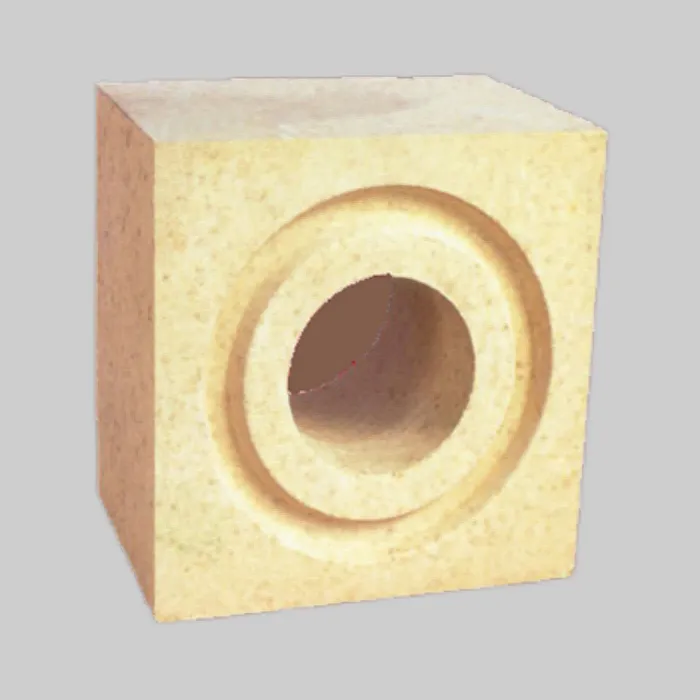
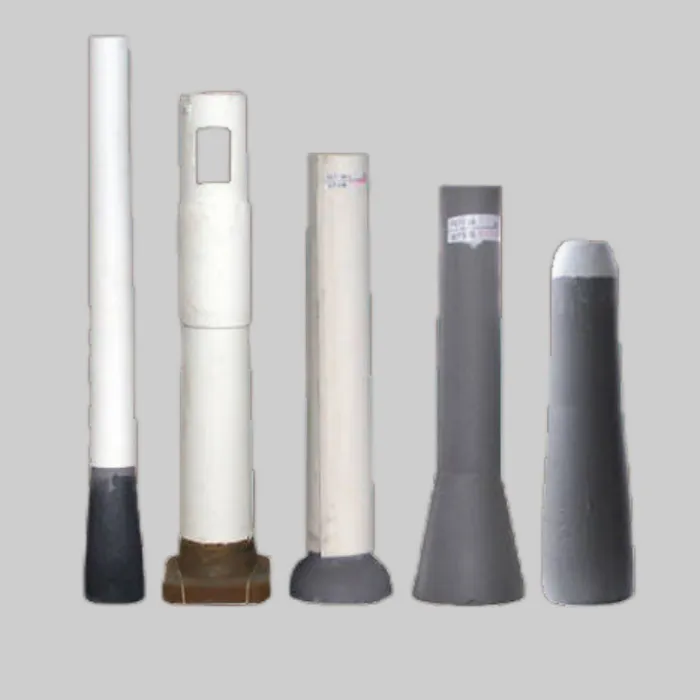
In the continuous casting process, ladle shrouds work in conjunction with other critical components such as Tundish Shroud, Sub Entry Nozzle, and Well Blcok. The tundish shroud further protects the molten steel as it transfers from the tundish to the mold, while the sub - entry nozzle controls the flow of steel into the mold. The well block is used to support the ladle shroud and ensure proper alignment.
Conclusion
Understanding the common failures of ladle shrouds is essential for ensuring the smooth operation of the continuous casting process and the quality of the final steel product. By identifying the causes of these failures and implementing appropriate preventive measures, we can extend the service life of ladle shrouds and reduce production costs.
As a trusted ladle shroud supplier, we are committed to providing high - quality products and comprehensive solutions to our customers. If you are facing issues with ladle shrouds or are looking for reliable refractory products for your continuous casting operations, we invite you to contact us for a detailed discussion. Our team of experts is ready to assist you in selecting the most suitable products and addressing any technical challenges you may encounter.
References
- "Refractories in Steelmaking" - A comprehensive industry publication on the use of refractories in steel production processes.
- "Continuous Casting Handbook" - A valuable resource that covers all aspects of continuous casting, including the role and performance of ladle shrouds.