

In the dynamic landscape of continuous casting technology, sub entry nozzles play a pivotal role in the successful production of high - quality steel. As a trusted sub entry nozzle supplier, we understand the critical importance of various nozzle designs and their impact on the casting process. This article will delve into the differences between several sub entry nozzle designs, elucidating their respective features, advantages, and applications.
1. Straight Bore Sub Entry Nozzles
The straight bore sub entry nozzle is one of the most basic and commonly used designs. As the name suggests, it has a simple, unadorned cylindrical bore that allows for a straightforward flow of molten steel from the tundish into the mold.
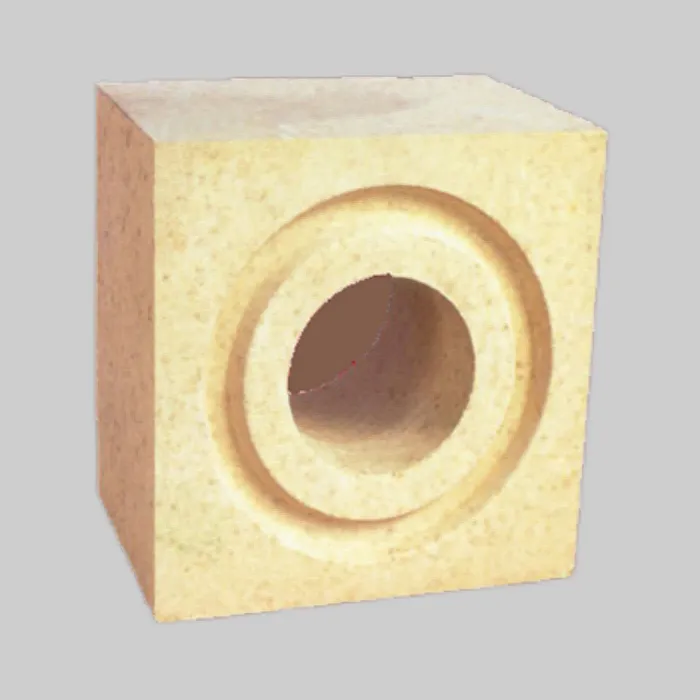
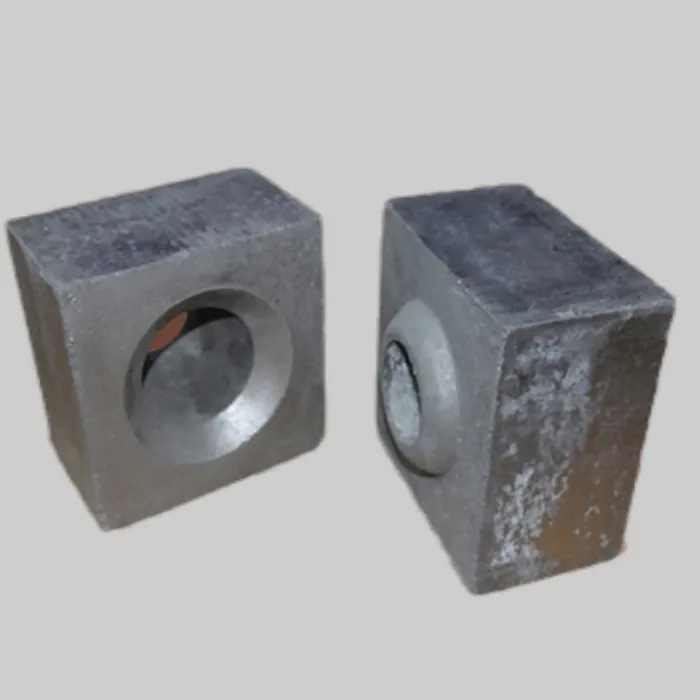
- Design Features: With a constant inner diameter throughout its length, the straight bore nozzle offers a relatively unobstructed path for the molten metal. This simplicity in design makes it easy to manufacture and install, which contributes to its cost - effectiveness.
- Advantages: The smooth and direct flow of molten steel minimizes the risk of flow blockages and reduces the probability of turbulence in the nozzle. This results in a more consistent casting process and can help to produce steel with fewer inclusions. Additionally, straight bore nozzles are highly versatile and can be used in a wide range of casting applications, including both small - scale and large - scale operations.
- Applications: They are frequently employed in the casting of carbon steels, where the emphasis is on achieving a stable and reliable casting process. Their ability to deliver a uniform flow of molten steel makes them suitable for slab, billet, and bloom casting operations. You can find more about subentry nozzles on our Subentry Nozzle page.
2. Tapered Bore Sub Entry Nozzles
Tapered bore sub entry nozzles are designed with a bore diameter that gradually changes along the length of the nozzle. This design offers distinct advantages compared to the straight bore type.
- Design Features: The taper can be either converging or diverging. A converging taper narrows towards the exit of the nozzle, while a diverging taper widens. The degree of taper can be customized according to the specific requirements of the casting process.
- Advantages: In a converging taper, the narrowing bore increases the velocity of the molten steel as it exits the nozzle. This can help to improve the penetration of the steel into the mold and reduce the formation of surface defects. A diverging taper, on the other hand, can slow down the flow of molten steel, which is beneficial in preventing excessive turbulence and splashing in the mold. Tapered bore nozzles can also enhance the slag - steel interface control, leading to better quality steel products.
- Applications: They are often used in the casting of stainless steels and high - alloy steels, where the control of flow velocity and turbulence is crucial for achieving high - quality castings. The ability to adjust the flow characteristics makes them suitable for applications where precise control over the casting process is required, such as in the production of thin - gauge slabs.
3. Multi - Port Sub Entry Nozzles
Multi - port sub entry nozzles are equipped with multiple outlets, which allow for the simultaneous distribution of molten steel into different sections of the mold.
- Design Features: These nozzles typically have two, three, or four ports arranged in a specific pattern. The size, shape, and orientation of the ports can be optimized to achieve the desired flow distribution.
- Advantages: By distributing the molten steel more evenly across the mold, multi - port nozzles can reduce the thermal stress and uneven solidification that may occur with single - port nozzles. This leads to more uniform casting dimensions and better surface quality. They also improve the overall productivity of the casting process by allowing for the simultaneous casting of multiple strands or sections.
- Applications: Multi - port nozzles are widely used in continuous casting machines for the production of billets, blooms, and multiple - strand slabs. They are particularly beneficial in high - speed casting operations, where the rapid and even distribution of molten steel is essential for maintaining a stable casting process.
4. Swirl - Inducing Sub Entry Nozzles
Swirl - inducing sub entry nozzles are designed to impart a swirling motion to the molten steel as it flows through the nozzle.
- Design Features: This is typically achieved through the incorporation of helical or curved channels inside the nozzle. The design of these channels can be adjusted to control the intensity and direction of the swirl.
- Advantages: The swirling motion of the molten steel helps to separate non - metallic inclusions from the steel by causing them to move towards the center of the flow and then be removed by the slag layer. It also promotes better mixing of the steel in the mold, resulting in a more homogeneous microstructure. Additionally, the swirl can improve the heat transfer between the molten steel and the mold, enhancing the solidification process.
- Applications: Swirl - inducing nozzles are commonly used in the production of high - quality steels, such as electrical steels and automotive steels, where the reduction of inclusions and the improvement of microstructure are of utmost importance.
5. Comparison of Key Performance Indicators
When comparing these different sub entry nozzle designs, several key performance indicators should be considered.
- Flow Characteristics: Straight bore nozzles provide a simple and stable flow, while tapered bore, multi - port, and swirl - inducing nozzles offer more complex flow control options. Tapered bore nozzles can adjust the flow velocity, multi - port nozzles distribute the flow evenly, and swirl - inducing nozzles create a swirling flow for inclusion removal.
- Inclusion Removal: Swirl - inducing nozzles are the most effective in removing non - metallic inclusions, followed by multi - port nozzles, which can improve the overall cleanliness of the steel through better flow distribution. Straight bore and tapered bore nozzles have relatively lower inclusion removal capabilities but can still contribute to a cleaner casting process when used in combination with proper slag management.
- Surface Quality: Multi - port and tapered bore nozzles generally result in better surface quality due to their ability to control the flow and reduce turbulence in the mold. Swirl - inducing nozzles can also improve surface quality by reducing the presence of inclusions. Straight bore nozzles may produce slightly less consistent surface quality, especially in high - speed casting operations.
- Cost: Straight bore nozzles are the most cost - effective due to their simple design and ease of manufacture. Tapered bore, multi - port, and swirl - inducing nozzles are more complex and may require more advanced manufacturing techniques, resulting in higher costs. However, the improved performance and product quality they offer can often justify the additional expense.
6. Complementary Refractory Products
In addition to sub entry nozzles, other refractory products such as the Monolithic Stopper and Well Blcok play important roles in the continuous casting process. The monolithic stopper is used to control the flow of molten steel from the tundish into the sub entry nozzle, while the well block provides a stable connection between the tundish and the sub entry nozzle. These products must be carefully selected and coordinated with the sub entry nozzle design to ensure the optimal performance of the entire casting system.
7. Conclusion and Invitation to Contact
In conclusion, the choice of sub entry nozzle design is a critical decision that can significantly impact the quality, productivity, and cost - effectiveness of the continuous casting process. As a sub entry nozzle supplier, we have the expertise and experience to provide you with the most suitable nozzle design for your specific needs. Whether you are casting carbon steels, stainless steels, or high - alloy steels, we can offer customized solutions that meet your requirements.
If you are interested in learning more about our sub entry nozzles or other refractory products, please do not hesitate to contact us. Our team of technical experts is ready to assist you in selecting the right products and optimizing your casting process. We look forward to the opportunity to partner with you and contribute to the success of your steel production operations.
References
- "Continuous Casting Technology: Principles and Practice" by R. Krishnan
- "Refractories in Steelmaking" by B. Prasad
- Industry standards and research papers on sub entry nozzle technology