

Hey there! As a supplier of ramming mass, I often get asked about the heat resistance of ramming mass. It's a pretty crucial factor to consider, especially when you're in industries like foundries, steel plants, or any place where high temperatures are the norm. So, let's dive right into what heat resistance in ramming mass really means.
First off, what exactly is ramming mass? Well, ramming mass is a refractory material that's used to line the furnaces, ladles, and other high - temperature equipment. It's packed or rammed into place, hence the name. And its ability to withstand high temperatures without breaking down or losing its structural integrity is what we call heat resistance.
The heat resistance of ramming mass is typically measured in degrees Celsius or Fahrenheit. Different types of ramming mass have different heat - resistant capabilities. Let's take a look at some of the common types and their heat - resistant properties.
Pre Mix Silica Ramming Mass
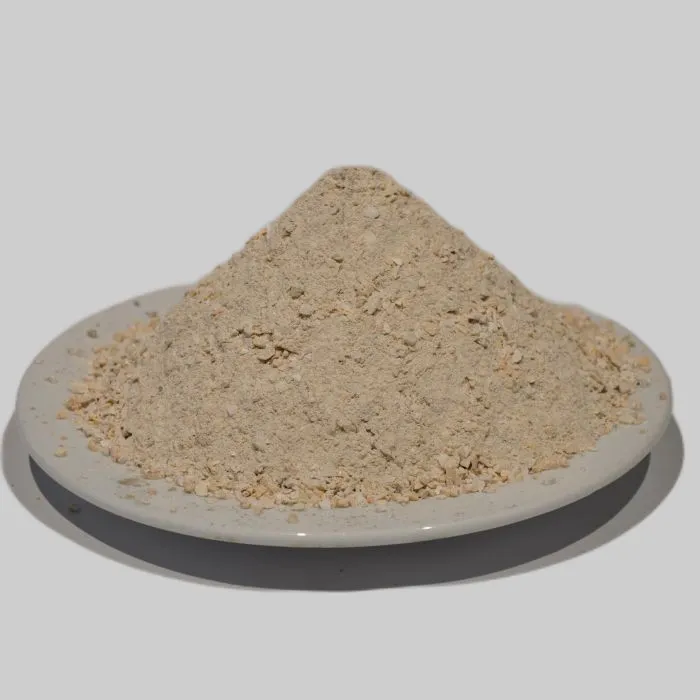
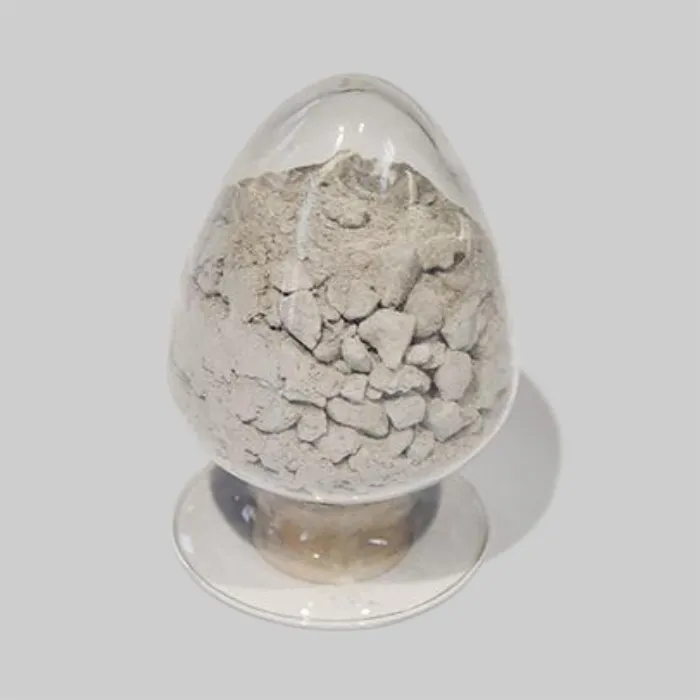
One of the most popular types is the Pre Mix Silica Ramming Mass. Silica is a great refractory material because it has a relatively high melting point. Pre - mixed silica ramming mass is convenient as it comes ready to use.
This type of ramming mass can generally withstand temperatures up to around 1600 - 1700 degrees Celsius. That's pretty hot! It forms a strong, stable lining in the furnace. The silica in it has a low thermal conductivity, which means it can insulate the heat well. This not only helps in maintaining the high temperature inside the furnace but also reduces the heat loss to the surroundings.
In foundries where non - ferrous metals like copper and aluminum are melted, pre - mix silica ramming mass is often the go - to choice. The high heat resistance ensures that the lining doesn't get damaged during the melting process, and it can last for a reasonable amount of time before needing replacement.
However, it's important to note that the heat resistance can be affected by factors like the purity of the silica used, the presence of impurities, and how well it's installed. If there are contaminants in the ramming mass, it can lower its melting point and reduce its overall heat - resistant capabilities.
Neutral Ramming Mass
Next up is the Neutral Ramming Mass. As the name suggests, it has a neutral chemical nature, which makes it suitable for a wide range of applications.
Neutral ramming mass can usually handle temperatures in the range of 1500 - 1800 degrees Celsius. It's made up of a combination of different refractory materials, carefully balanced to achieve the right properties. This type is often used in induction furnaces for melting both ferrous and non - ferrous metals.
One of the advantages of neutral ramming mass is its versatility. It can resist the corrosive effects of different metal slags and fluxes used in the melting process. The high heat resistance combined with chemical resistance makes it a reliable choice for industrial furnaces. But just like with silica ramming mass, proper installation and the quality of raw materials play a big role in determining its actual heat - resistant performance.
Zirconia Ramming Mass
Now, if you're looking for something that can handle extremely high temperatures, Zirconia Ramming Mass is the way to go. Zirconia is a super - refractory material with an incredibly high melting point.
Zirconia ramming mass can withstand temperatures well above 2000 degrees Celsius. It's commonly used in high - end applications, such as in the aerospace and nuclear industries, where extremely high temperatures are involved. In steelmaking, it can also be used in the lining of electric arc furnaces to handle the intense heat generated during the melting and refining of steel.
The heat resistance of zirconia ramming mass comes from the unique crystal structure of zirconia. It has excellent thermal stability and low thermal expansion, which means it can maintain its shape and integrity even under extreme temperature changes. However, it's also more expensive compared to other types of ramming mass due to the high cost of zirconia raw materials.
Factors Affecting Heat Resistance
There are several factors that can affect the heat resistance of ramming mass. As I mentioned earlier, the quality of raw materials is crucial. If you use low - grade materials or materials with a high level of impurities, the heat - resistant properties will be compromised.
The installation process also matters a lot. If the ramming mass isn't packed properly or if there are gaps in the lining, it can lead to uneven heat distribution. This can cause hot spots, which can then lead to the premature failure of the lining.
The operating conditions in the furnace also play a role. Things like the frequency of heating and cooling cycles, the presence of corrosive substances, and the airflow inside the furnace can all impact the heat resistance of the ramming mass. For example, rapid heating and cooling cycles can cause thermal stress on the lining, which may reduce its lifespan and heat - resistant capabilities.
Importance of Heat Resistance
So, why is heat resistance so important in ramming mass? Well, first of all, it ensures the safety of the furnace operations. If the ramming mass can't withstand the high temperatures, it can crack or break, which can lead to leaks of molten metal or hot gases. This is not only dangerous for the workers but can also cause significant damage to the equipment.
Secondly, good heat resistance means better energy efficiency. Since the ramming mass can insulate the heat well, less energy is needed to maintain the high temperature inside the furnace. This can lead to cost savings in the long run, especially in industries where large - scale melting and heating operations are carried out.
Lastly, a ramming mass with high heat resistance has a longer lifespan. This means less frequent replacement of the lining, which reduces downtime and maintenance costs. For factories, this can have a big impact on their overall productivity and profitability.
Choosing the Right Ramming Mass for Your Needs
When you're choosing a ramming mass, you need to consider the maximum temperature that your furnace will reach. If you're working with relatively lower - temperature applications, like melting aluminum or copper, pre - mix silica ramming mass might be sufficient. But if you're dealing with high - temperature processes, such as steelmaking, you'll probably need neutral or zirconia ramming mass.
It's also important to think about the chemical environment in your furnace. If there are corrosive substances present, you'll need a ramming mass that can resist corrosion as well as high temperatures. And of course, you should always source your ramming mass from a reliable supplier to ensure the quality.
Well, that's a rundown of what the heat resistance of ramming mass is all about. If you're in the market for ramming mass and have any questions about which type is best for your application, or you want to discuss a potential purchase, don't hesitate to reach out. We're here to help you make the right choice and ensure that your high - temperature operations run smoothly.
References
- "Refractories Handbook", Industrial Press Inc.
- Journal of Refractory Materials, various issues on ramming mass properties