

In the complex and energy - intensive process of steelmaking, every component plays a crucial role in determining the overall energy consumption. One such component that often goes unnoticed but has a significant impact is the tundish nozzle. As a tundish nozzle supplier, I have witnessed firsthand how the design, material, and performance of these nozzles can influence the energy efficiency of steelmaking operations.
Understanding the Role of Tundish Nozzles in Steelmaking
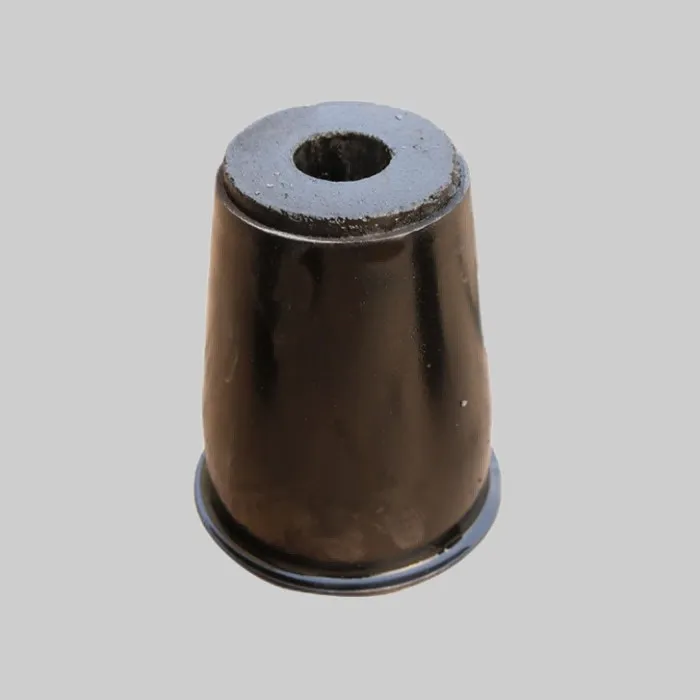
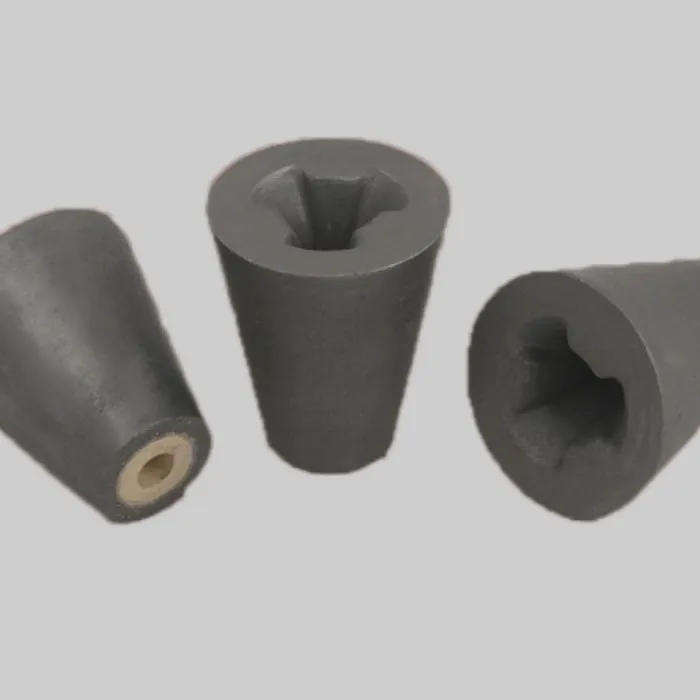
Tundish nozzles are essential parts of the continuous casting process in steelmaking. They are located at the bottom of the tundish, which is an intermediate vessel that distributes molten steel from the ladle to the molds. The primary function of the tundish nozzle is to control the flow rate and direction of the molten steel, ensuring a smooth and consistent supply to the molds.
The quality of the tundish nozzle directly affects the casting process. A well - designed nozzle can maintain a stable flow of molten steel, reducing the risk of clogging and splashing. This stability is crucial for producing high - quality steel products. For instance, if the flow of molten steel is interrupted due to nozzle clogging, it can lead to uneven solidification in the molds, resulting in defects in the final steel product.
Impact on Energy Consumption
Heat Loss Reduction
One of the most significant ways tundish nozzles impact energy consumption is through heat loss reduction. Molten steel is extremely hot, typically around 1500 - 1600°C. As it flows through the tundish and out of the nozzle, it loses heat to the surrounding environment. A high - quality tundish nozzle, made from materials with low thermal conductivity, can minimize this heat loss.
For example, Zirconia Nozzle is a popular choice for tundish nozzles due to its excellent thermal insulation properties. Zirconia has a relatively low thermal conductivity compared to other materials, which means it can prevent the rapid transfer of heat from the molten steel to the outside. This not only helps to maintain the temperature of the molten steel but also reduces the amount of energy required to keep the steel in a molten state.
When the heat loss is minimized, the steelmaking furnace does not need to work as hard to maintain the required temperature of the molten steel. This directly translates into lower energy consumption. In a large - scale steelmaking operation, even a small reduction in heat loss can result in significant energy savings over time.
Flow Control and Energy Efficiency
Proper flow control is another key factor in reducing energy consumption. A well - functioning tundish nozzle can ensure a uniform and consistent flow of molten steel into the molds. When the flow is stable, the casting process can be optimized, and the energy used in the process can be more effectively utilized.
If the flow of molten steel is erratic, it can cause problems such as uneven filling of the molds, which may require additional energy - consuming processes to correct. For example, if the mold is not filled evenly, the steel may need to be reheated or remelted to achieve the desired shape and quality. On the other hand, a Tundish Nozzle that provides precise flow control can prevent these issues, leading to a more energy - efficient casting process.
Reducing Clogging and Downtime
Clogging of tundish nozzles is a common problem in steelmaking, and it can have a significant impact on energy consumption. When a nozzle becomes clogged, the flow of molten steel is restricted, and the casting process may need to be stopped. This not only leads to production delays but also requires additional energy to restart the process.
The use of high - quality refractory materials in tundish nozzles can reduce the risk of clogging. Refractory Collector Nozzle is designed to resist the adhesion of impurities and solidified steel, ensuring a continuous flow of molten steel. By preventing clogging, these nozzles can minimize downtime and the associated energy losses.
Material Selection and Energy Efficiency
The choice of material for tundish nozzles is critical in determining their impact on energy consumption. Different materials have different properties, such as thermal conductivity, mechanical strength, and chemical resistance.
As mentioned earlier, zirconia - based nozzles are known for their low thermal conductivity, which helps in reducing heat loss. However, they also have high mechanical strength, which allows them to withstand the high - temperature and high - pressure conditions in the steelmaking process. This means that they can last longer without needing to be replaced, reducing the energy and resources required for maintenance and replacement.
Other materials, such as alumina - graphite composites, are also commonly used in tundish nozzles. These materials offer a good balance between thermal insulation and mechanical properties. They can be customized to meet the specific requirements of different steelmaking processes, further optimizing energy efficiency.
Design Considerations for Energy - Efficient Tundish Nozzles
In addition to material selection, the design of tundish nozzles also plays a crucial role in energy consumption. A well - designed nozzle should have a smooth internal surface to minimize friction and ensure a laminar flow of molten steel. A turbulent flow can cause additional heat loss and energy consumption.
The shape of the nozzle also affects its performance. For example, a convergent - divergent nozzle design can help to control the flow rate and pressure of the molten steel more effectively. This design allows for a more precise adjustment of the flow, which can lead to a more energy - efficient casting process.
Case Studies
To illustrate the impact of tundish nozzles on energy consumption, let's look at some real - world case studies. In a large steel plant, the implementation of high - quality zirconia nozzles led to a 10% reduction in heat loss during the continuous casting process. This reduction in heat loss translated into a significant decrease in the energy required to maintain molten steel temperature, resulting in annual energy savings of several million kilowatt - hours.
Another steelmaking facility replaced their old, clogged - prone nozzles with Refractory Collector Nozzle. As a result, they were able to reduce downtime due to nozzle clogging by 30%. This not only increased production efficiency but also saved a substantial amount of energy that would have been wasted during the restart process.
Conclusion
In conclusion, tundish nozzles have a profound impact on the energy consumption in steelmaking. Through heat loss reduction, precise flow control, and prevention of clogging, high - quality nozzles can significantly improve the energy efficiency of the steelmaking process. As a tundish nozzle supplier, I am committed to providing products that not only meet the high - quality standards of the steel industry but also contribute to energy conservation.
If you are in the steelmaking industry and are looking to optimize your energy consumption and improve the quality of your steel products, I encourage you to consider our range of Tundish Nozzle products. We offer a variety of materials and designs to meet your specific needs. Contact us for a detailed discussion on how our nozzles can benefit your operations and help you achieve greater energy efficiency.
References
- Guthrie, R. I. L. (2005). Transport Phenomena in Metal Processing. Addison - Wesley.
- Pehlke, R. D. (1994). Principles of Solidification. ASM International.
- Schwerdtfeger, K. (2002). Steelmaking and Refining Processes. John Wiley & Sons.