

Hey there! As a supplier of tundish nozzles, I've seen firsthand how different steel grades require different types of tundish nozzles. In this blog post, I'm gonna break down these differences so you can get a better understanding of what's what when it comes to picking the right tundish nozzle for your steel - making needs.
General Function of Tundish Nozzles
Before we dive into the differences for various steel grades, let's quickly go over what a tundish nozzle does. A tundish nozzle is a critical part in the continuous casting process. It controls the flow of molten steel from the tundish into the mold. This ensures a smooth and consistent flow, which is super important for producing high - quality steel products.
Carbon Steel
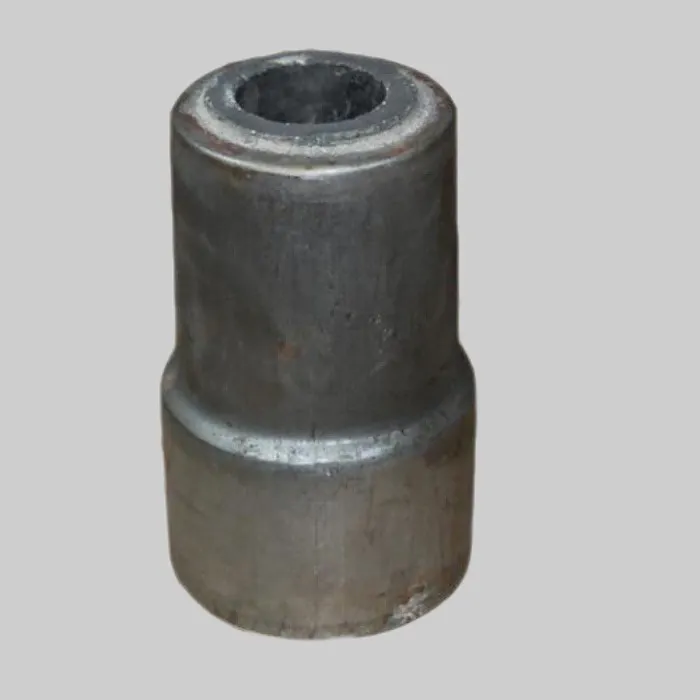
Carbon steel is one of the most commonly produced steel grades. It mainly consists of iron and carbon, with small amounts of other elements like manganese, silicon, and sulfur. For carbon steel production, we usually recommend our Tundish Nozzle. These nozzles are made from high - quality refractory materials that can withstand the relatively high temperatures and chemical reactions involved in carbon steel casting.
The thing about carbon steel is that it has a relatively low alloy content. So, the chemical reactions between the molten steel and the nozzle are not as complex as those with some other steel grades. Our tundish nozzles for carbon steel are designed to have good thermal shock resistance. This means they can handle the sudden temperature changes when the molten steel starts flowing through them without cracking or breaking.
Stainless Steel
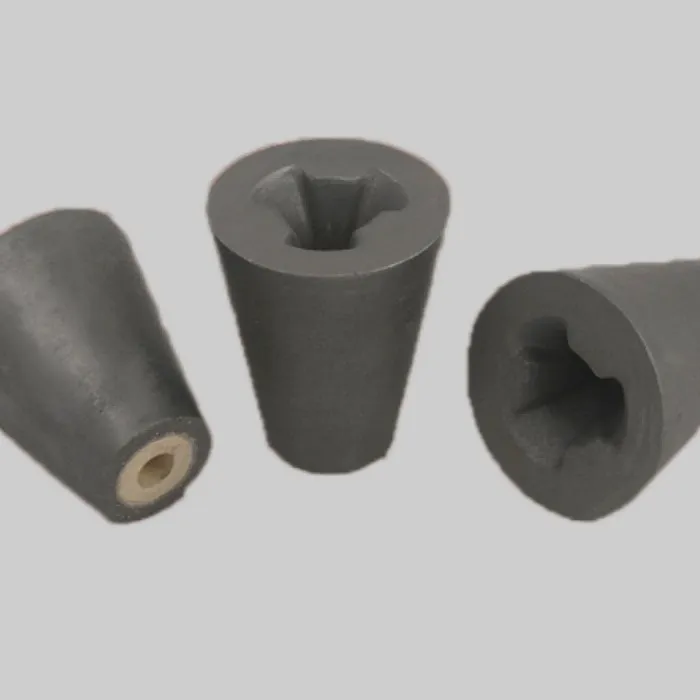
Stainless steel is another popular steel grade, known for its corrosion resistance. It contains a significant amount of chromium, along with other elements like nickel, molybdenum, and titanium. When it comes to casting stainless steel, we often suggest our Zirconia Nozzle.
Stainless steel has a higher melting point and more complex chemical composition compared to carbon steel. The chromium in stainless steel can react with the nozzle material, causing erosion and clogging if the wrong nozzle is used. Zirconia nozzles are great because they have excellent chemical stability. They can resist the corrosive effects of the alloying elements in stainless steel, ensuring a longer service life and a more consistent flow of molten steel.
Alloy Steel
Alloy steel is a broad category that includes steel with various alloying elements added to enhance its mechanical properties. These elements can include manganese, nickel, chromium, vanadium, and many others. The requirements for tundish nozzles for alloy steel are quite diverse, depending on the specific alloy composition.
For some alloy steels with high levels of reactive elements, we might recommend a special type of refractory ladle nozzle. Our Refractory Ladle Nozzle is designed to handle the more aggressive chemical reactions that can occur with alloy steel. These nozzles are made from advanced refractory materials that can resist the high - temperature corrosion and erosion caused by the alloying elements.
High - Strength Low - Alloy (HSLA) Steel
HSLA steel is a type of steel that offers high strength with relatively low amounts of alloying elements. It's commonly used in the automotive and construction industries. When casting HSLA steel, the tundish nozzles need to be able to maintain a stable flow rate. Since HSLA steel is often cast at high speeds, the nozzle design is crucial.
We've developed tundish nozzles for HSLA steel that have optimized internal geometries. This helps to reduce turbulence and ensure a smooth flow of molten steel, which is essential for producing high - quality HSLA steel products.
Tool Steel
Tool steel is known for its hardness, wear resistance, and ability to retain its shape at high temperatures. It contains high levels of carbon and alloying elements like tungsten, molybdenum, and vanadium. Casting tool steel requires tundish nozzles that can withstand extremely high temperatures and the abrasive nature of the molten steel.
Our tundish nozzles for tool steel are made from super - tough refractory materials. They are designed to resist the high - temperature wear and tear that comes with casting this type of steel. This ensures that the nozzle can last through the entire casting process without significant degradation.
Factors Affecting Nozzle Selection
When choosing a tundish nozzle for a specific steel grade, there are several factors to consider. Temperature is a big one. Different steel grades have different melting points, and the nozzle material needs to be able to withstand these temperatures without deforming or melting.
Chemical composition is also crucial. As we've seen, the alloying elements in different steel grades can react with the nozzle material in various ways. A nozzle that works well for one steel grade might not be suitable for another due to these chemical reactions.
Flow rate requirements are another important factor. Some steel - casting processes require a high flow rate of molten steel, while others need a more controlled, slow flow. The nozzle design and size need to be adjusted accordingly.
Why Choose Our Tundish Nozzles
We've been in the tundish nozzle business for a long time, and we've got the experience and expertise to provide the best nozzles for different steel grades. Our nozzles are made from top - quality materials, and we use advanced manufacturing techniques to ensure consistent quality.
We also offer custom - made tundish nozzles. If you have a specific steel grade or casting process that requires a unique nozzle design, we can work with you to develop a solution that meets your needs.
Let's Connect
If you're in the market for tundish nozzles for your steel - making operations, I'd love to talk to you. Whether you're casting carbon steel, stainless steel, or any other steel grade, we've got the right nozzle for you. Don't hesitate to reach out and start a conversation about your requirements. We're here to help you find the best tundish nozzle solution for your business.
References
- "Steel Casting Handbook", various authors, published by a leading metallurgy publishing house.
- Industry research reports on continuous casting technology and refractory materials.