

Hey there! As a supplier of zirconia nozzles, I'm super excited to share with you the inspection procedures for these awesome products. Zirconia nozzles are widely used in various industries, especially in the metallurgical field, due to their high - temperature resistance, excellent corrosion resistance, and good mechanical properties. So, let's dive right into the inspection process.
Pre - Inspection Preparation
Before we start the actual inspection, we need to do some prep work. First off, we gather all the necessary tools and equipment. This includes things like calipers for measuring dimensions, microscopes for checking the surface quality, and hardness testers. We also make sure that the inspection area is clean and well - lit. A dirty or dimly lit area can lead to inaccurate results.
We also review the product specifications and requirements. Every zirconia nozzle is designed for a specific purpose, and the customer might have some special requirements. For example, some nozzles need to have a certain inner diameter to ensure the proper flow of molten metal. So, we double - check all these details to make sure we're on the right track.
Visual Inspection
The first step in the inspection process is a visual check. We take a good look at the zirconia nozzle from all angles. We're looking for any obvious defects like cracks, chips, or uneven surfaces. Cracks can be a big problem because they can compromise the structural integrity of the nozzle. Even a small crack can grow under high - temperature and high - pressure conditions, leading to failure during use.
We also check the color of the nozzle. A uniform color is a sign of good quality. Any discoloration might indicate issues with the manufacturing process, such as improper sintering or the presence of impurities. For example, if there are dark spots on the nozzle, it could mean that there were some contaminants in the raw materials.
Dimensional Inspection
After the visual inspection, we move on to dimensional checks. This is crucial because the size of the zirconia nozzle directly affects its performance. We use calipers and micrometers to measure the outer diameter, inner diameter, length, and wall thickness of the nozzle.
The outer diameter needs to be within a certain tolerance range. If it's too large, the nozzle might not fit properly into the equipment. On the other hand, if it's too small, there could be leaks. The inner diameter is also very important, especially for nozzles used in fluid - handling applications. A precise inner diameter ensures a consistent flow rate.
The length of the nozzle is another critical dimension. It needs to be accurate to ensure that the nozzle can be installed correctly and function as intended. We measure the wall thickness to make sure it's uniform around the entire circumference of the nozzle. Any variations in wall thickness can cause uneven stress distribution, which can lead to premature failure.
Hardness Testing
Hardness is an important property of zirconia nozzles. A hard nozzle can withstand more wear and tear, especially in high - friction environments. We use a hardness tester to measure the hardness of the zirconia material.
There are different types of hardness tests, but the most common one for zirconia nozzles is the Vickers hardness test. In this test, a small diamond indenter is pressed into the surface of the nozzle with a specific load. The size of the indentation is then measured, and from that, we can calculate the hardness value.
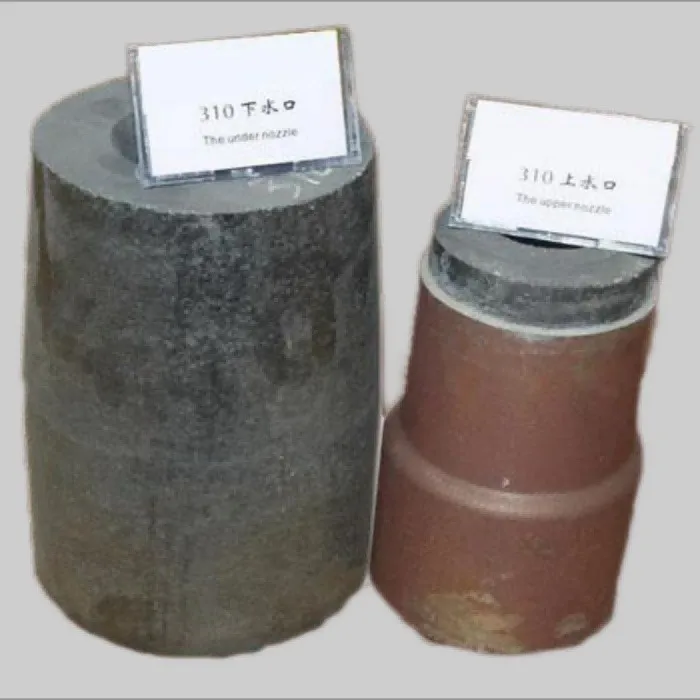
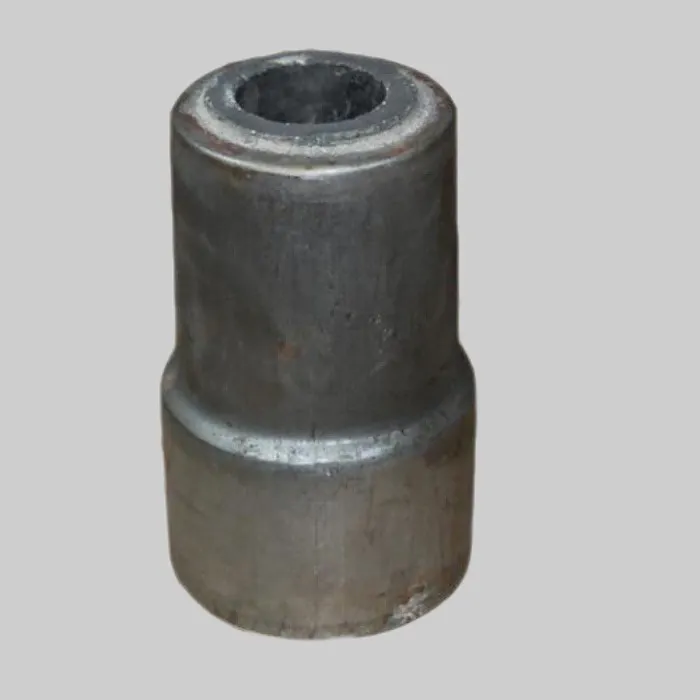
The hardness of the zirconia nozzle should be within a certain range. If it's too soft, the nozzle will wear out quickly. If it's too hard, it might become brittle and more prone to cracking. So, we make sure that the hardness meets the customer's requirements.
Density and Porosity Testing
The density and porosity of the zirconia nozzle also play a significant role in its performance. A high - density nozzle with low porosity is generally more durable and resistant to corrosion.
We use a method called the Archimedes' principle to measure the density of the nozzle. This involves weighing the nozzle in air and then weighing it when it's submerged in a liquid. By comparing these two weights, we can calculate the density.
Porosity is measured using techniques like mercury intrusion porosimetry. This method allows us to determine the size and distribution of pores in the zirconia material. High porosity can lead to issues such as reduced strength and increased permeability to corrosive substances.
Thermal and Chemical Resistance Testing
Since zirconia nozzles are often used in high - temperature and chemically aggressive environments, we need to test their thermal and chemical resistance.
For thermal resistance testing, we heat the nozzle to a specific temperature and hold it there for a certain period of time. We then observe any changes in the nozzle, such as deformation or cracking. We also measure the thermal expansion coefficient of the nozzle. A low thermal expansion coefficient is desirable because it means that the nozzle will maintain its shape and dimensions better under thermal cycling.
Chemical resistance testing involves exposing the nozzle to various chemicals that it might encounter in its actual use. We check for any signs of corrosion or chemical reaction. For example, if the nozzle is used in a metallurgical process, it might come into contact with molten metals and slag. So, we test its resistance to these substances.
Final Inspection and Packaging
After all the individual tests are completed, we conduct a final inspection. We review all the test results to make sure that the zirconia nozzle meets all the quality standards and customer requirements. If everything checks out, the nozzle is ready for packaging.
We package the nozzle carefully to prevent any damage during transportation. We use protective materials like foam or bubble wrap to cushion the nozzle. We also label the package clearly with information such as the product name, specifications, and handling instructions.
Why Choose Our Zirconia Nozzles
At our company, we take pride in our strict inspection procedures. We know that our customers rely on our zirconia nozzles for their critical applications. That's why we go the extra mile to ensure that every nozzle we supply is of the highest quality.
We offer a wide range of zirconia nozzles, including Refractory Ladle Nozzle, Zirconium Sizing Nozzle, and Tundish Nozzle. Each of these products is designed and inspected to meet the specific needs of our customers.
If you're in the market for high - quality zirconia nozzles, we'd love to hear from you. Whether you need a standard product or a custom - made solution, we have the expertise and resources to meet your requirements. Contact us today to start a conversation about your zirconia nozzle needs. We're here to provide you with the best products and services.
References
- Smith, J. (2020). "Advanced Ceramics in Industrial Applications". Journal of Materials Science.
- Johnson, A. (2019). "Testing and Quality Control of Zirconia Products". International Journal of Ceramics.
- Brown, C. (2018). "Thermal and Chemical Properties of Zirconia". Materials Research Bulletin.