

In the realm of continuous casting in the steelmaking industry, subentry nozzles play a pivotal role in ensuring the smooth and efficient transfer of molten steel from the tundish to the mold. The proper control of the molten steel flow through the subentry nozzle is crucial for achieving high - quality steel products and maintaining the stability of the casting process. As a leading subentry nozzle supplier, we are well - versed in the various flow - control mechanisms of subentry nozzles, and in this blog, we will delve into the details of these mechanisms.
1. Importance of Flow Control in Subentry Nozzles
The flow of molten steel through the subentry nozzle has a direct impact on the quality of the final steel product. An improper flow rate can lead to a variety of issues, such as uneven solidification in the mold, slag entrainment, and the formation of surface defects on the steel. Moreover, the flow control also affects the wear rate of the nozzle, which in turn influences the overall cost and efficiency of the casting process. By precisely controlling the flow of molten steel, we can optimize the casting process, improve product quality, and reduce production costs.
2. Types of Flow - Control Mechanisms
2.1 Slide Gate Valve System
The slide gate valve system is one of the most commonly used flow - control mechanisms for subentry nozzles. It consists of a stationary plate and a sliding plate with holes. By moving the sliding plate relative to the stationary plate, the size of the opening through which the molten steel flows can be adjusted. This allows for precise control of the flow rate of the molten steel.
The advantage of the slide gate valve system is its high degree of accuracy and flexibility. It can quickly respond to changes in the casting process requirements and adjust the flow rate accordingly. However, it also has some drawbacks. The sliding plates are subject to wear and tear due to the high - temperature and abrasive nature of the molten steel. Regular maintenance and replacement of the plates are required to ensure the proper functioning of the system.
2.2 Stopper Rod System
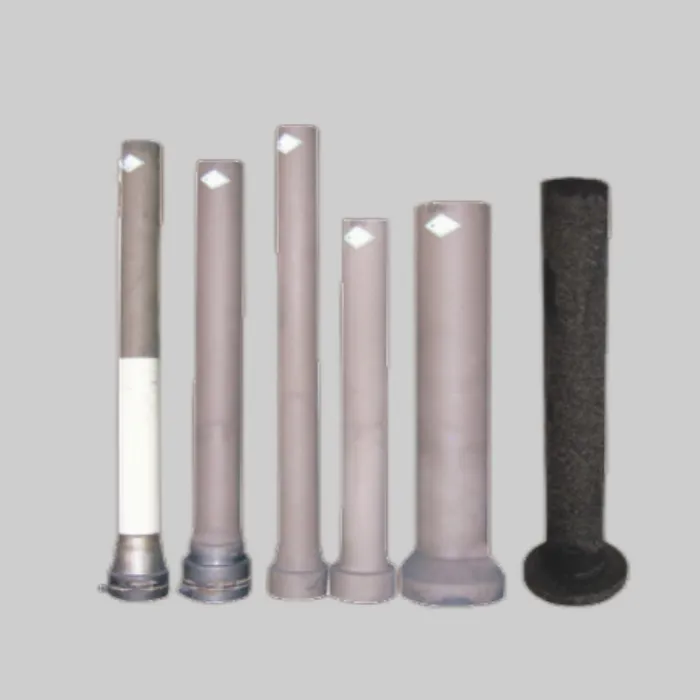
The stopper rod system is another important flow - control mechanism. A stopper rod is a refractory rod that is inserted into the top of the subentry nozzle. By raising or lowering the stopper rod, the flow of molten steel through the nozzle can be controlled. When the stopper rod is lowered, it blocks the flow of molten steel, and when it is raised, the steel can flow through the nozzle.
One of the key components related to the stopper rod system is the Monolithic Stopper. The monolithic stopper is designed to withstand the high - temperature and corrosive environment of the molten steel. It provides a reliable seal when the stopper rod is in the closed position and allows for smooth flow adjustment when in the open position. The stopper rod system is known for its simplicity and reliability. It is often used in applications where a high level of precision is not required, or in smaller - scale casting operations.
2.3 Well Block and Tundish Shroud Interaction
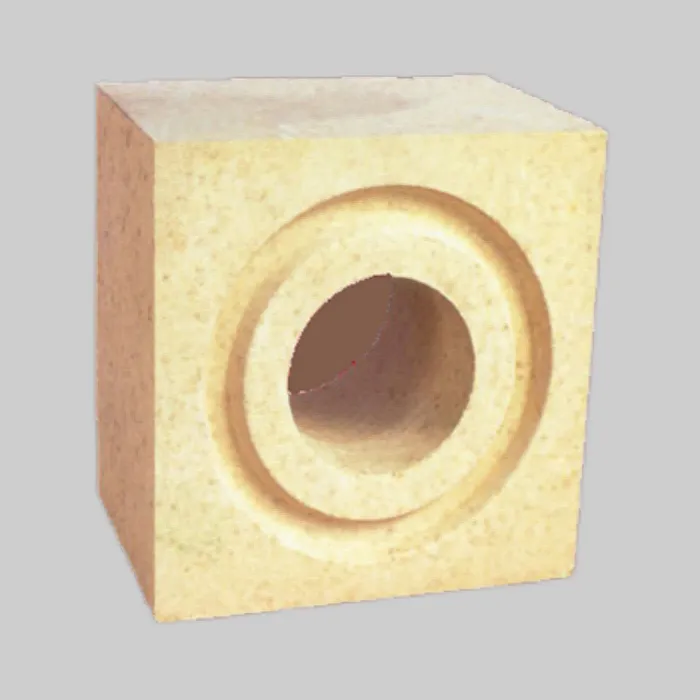
The Well Block and Tundish Shroud also play important roles in flow control. The well block is installed at the bottom of the tundish and serves as a connection point between the tundish and the subentry nozzle. It helps to guide the molten steel into the nozzle and can also influence the flow pattern.
The tundish shroud is a refractory tube that surrounds the subentry nozzle. It is used to protect the molten steel from oxidation and to control the flow of the steel as it enters the mold. The design and installation of the well block and tundish shroud can have a significant impact on the flow characteristics of the molten steel. For example, the shape and size of the well block opening can affect the velocity and direction of the steel flow, while the length and diameter of the tundish shroud can influence the splash and turbulence of the steel as it enters the mold.
3. Factors Affecting Flow - Control Mechanisms
3.1 Refractory Material Properties
The choice of refractory materials for the flow - control components, such as the slide gate plates, stopper rods, well blocks, and tundish shrouds, is crucial. The refractory materials must have high - temperature resistance, good thermal shock resistance, and low reactivity with the molten steel. Different refractory materials have different properties, and the selection should be based on the specific requirements of the casting process, such as the type of steel being cast, the casting temperature, and the flow rate.
3.2 Nozzle Design
The design of the subentry nozzle itself also affects the flow - control performance. The inner diameter, length, and shape of the nozzle can influence the flow velocity, pressure drop, and turbulence of the molten steel. For example, a nozzle with a smaller inner diameter will result in a higher flow velocity, while a longer nozzle may cause a greater pressure drop. The shape of the nozzle, such as a straight or tapered design, can also affect the flow pattern and the distribution of the molten steel in the mold.
3.3 Operating Conditions
The operating conditions, such as the temperature of the molten steel, the casting speed, and the level of the molten steel in the tundish, can have a significant impact on the flow - control mechanisms. Higher temperatures can reduce the viscosity of the molten steel, which may affect the flow rate and the sealing performance of the flow - control components. Changes in the casting speed require corresponding adjustments in the flow rate to maintain a stable casting process. The level of the molten steel in the tundish can also affect the pressure at the inlet of the subentry nozzle, which in turn influences the flow characteristics.
4. Monitoring and Optimization of Flow - Control Mechanisms
4.1 Flow Rate Monitoring
To ensure the proper functioning of the flow - control mechanisms, it is essential to monitor the flow rate of the molten steel. There are several methods for flow rate monitoring, such as electromagnetic flow meters and pressure sensors. Electromagnetic flow meters work based on the principle of electromagnetic induction and can provide accurate real - time flow rate measurements. Pressure sensors can measure the pressure difference across the nozzle, which can be used to calculate the flow rate.
4.2 Optimization Strategies
Based on the flow rate monitoring results, optimization strategies can be implemented. For example, if the flow rate is too high, the opening of the slide gate valve can be reduced or the stopper rod can be lowered further. If the flow rate is too low, the opposite adjustments can be made. In addition, regular maintenance and inspection of the flow - control components are necessary to ensure their proper functioning. Any signs of wear, damage, or blockage should be addressed promptly to avoid disruptions in the casting process.
5. Contact Us for Procurement and Consultation
As a professional subentry nozzle supplier, we have extensive experience in providing high - quality flow - control solutions for the steelmaking industry. Our products are designed to meet the most demanding requirements of the continuous casting process, and our technical team is always ready to provide expert advice and support.
If you are interested in our subentry nozzles and related flow - control products, or if you have any questions about the flow - control mechanisms of subentry nozzles, please feel free to contact us. We look forward to discussing your specific needs and finding the best solutions for your casting operations.
References
- "Continuous Casting of Steel" by The Making, Shaping and Treating of Steel, 11th Edition.
- "Refractories Handbook" edited by John N. Marsh.
- Technical papers from industry conferences on steelmaking and continuous casting.