

Hey there! As a gunning mix supplier, I often get asked about the kinds of additives that can be used in gunning mix. Well, let's dive right into it.
Why Additives Matter in Gunning Mix
First off, why do we even need additives in gunning mix? Gunning mix is used in a variety of industrial applications, like in electric arc furnaces (EAF) and ladles. These environments are super harsh, with high temperatures, mechanical stress, and chemical reactions. Additives help to enhance the performance of the gunning mix, making it more durable, resistant to wear and tear, and better able to withstand the tough conditions.
Common Additives in Gunning Mix
1. Binding Agents
Binding agents are one of the most important additives in gunning mix. They help to hold the particles of the mix together, giving it the necessary cohesion and strength. One of the most commonly used binding agents is clay. Clay is cheap, readily available, and it provides good plasticity to the mix. When water is added to the gunning mix with clay, it forms a sticky paste that can be easily sprayed onto the surface.
Another popular binding agent is cement. Cement offers high strength and rapid hardening properties. It's especially useful in applications where a quick-setting gunning mix is required. For example, in Hot Patching EAF Gunning Mix, cement can be used to quickly repair the lining of an electric arc furnace during a hot patch operation.
2. Refractory Aggregates
Refractory aggregates are materials that can withstand high temperatures without melting or deforming. They are added to the gunning mix to improve its refractory properties. Some common refractory aggregates include alumina, magnesia, and silica.
Alumina is a very popular choice because it has high melting point, good thermal shock resistance, and excellent chemical stability. It can be used in gunning mixes for both EAF and ladles. Magnesia, on the other hand, is known for its high basicity, which makes it resistant to basic slag corrosion. It's often used in ladles where basic slag is present. You can check out Ladle Gunning Mix to see how magnesia-based aggregates are used in ladle applications.
Silica is also used as a refractory aggregate, especially in applications where a low-cost and relatively high-temperature-resistant material is needed. However, silica has some limitations, such as its relatively low thermal shock resistance compared to alumina and magnesia.
3. Set Retarders and Accelerators
Set retarders and accelerators are used to control the setting time of the gunning mix. Set retarders slow down the setting process, which is useful when you need more time to apply the mix. This can be important in large-scale applications where it takes a while to cover a large surface area.
On the other hand, set accelerators speed up the setting time. They are often used in situations where a quick repair is needed, like in emergency hot patching operations. For example, if there's a sudden crack in the lining of an EAF, an accelerator can be added to the gunning mix to ensure that it sets quickly and seals the crack before further damage occurs.
4. Anti - Oxidants
In high - temperature environments, oxidation can be a major problem. Anti - oxidants are added to the gunning mix to prevent the oxidation of the refractory materials. Carbon is a common component in some gunning mixes, and it can be easily oxidized at high temperatures. Anti - oxidants, such as silicon carbide or boron carbide, can be added to protect the carbon and maintain the integrity of the gunning mix.
5. Fibers
Fibers are often added to the gunning mix to improve its mechanical properties, especially its toughness and resistance to cracking. Ceramic fibers, like alumina - silica fibers, are commonly used. These fibers can bridge cracks and prevent them from propagating, which helps to extend the service life of the gunning mix.
Factors to Consider When Choosing Additives
When choosing additives for gunning mix, there are several factors to consider.
1. Application Environment
The application environment plays a crucial role in determining the type of additives to use. For example, if the gunning mix is going to be used in an acidic environment, additives that are resistant to acid corrosion should be selected. In contrast, in a basic environment, basic - resistant additives like magnesia are more appropriate.
2. Cost
Cost is always a consideration. Some additives, like high - purity alumina or special - grade anti - oxidants, can be quite expensive. As a supplier, I always try to find a balance between the performance requirements of the gunning mix and the cost of the additives. Sometimes, a combination of different additives can be used to achieve the desired performance at a lower cost.
3. Compatibility
The additives must be compatible with each other and with the base materials of the gunning mix. If there's a chemical reaction between the additives or between an additive and the base material, it can lead to a decrease in the performance of the gunning mix. For example, some additives may react with water or other components in the mix, causing problems like premature setting or reduced strength.
Conclusion
In conclusion, there are many different kinds of additives that can be used in gunning mix, each with its own unique properties and functions. Binding agents provide cohesion, refractory aggregates improve heat resistance, set retarders and accelerators control setting time, anti - oxidants prevent oxidation, and fibers enhance mechanical properties.
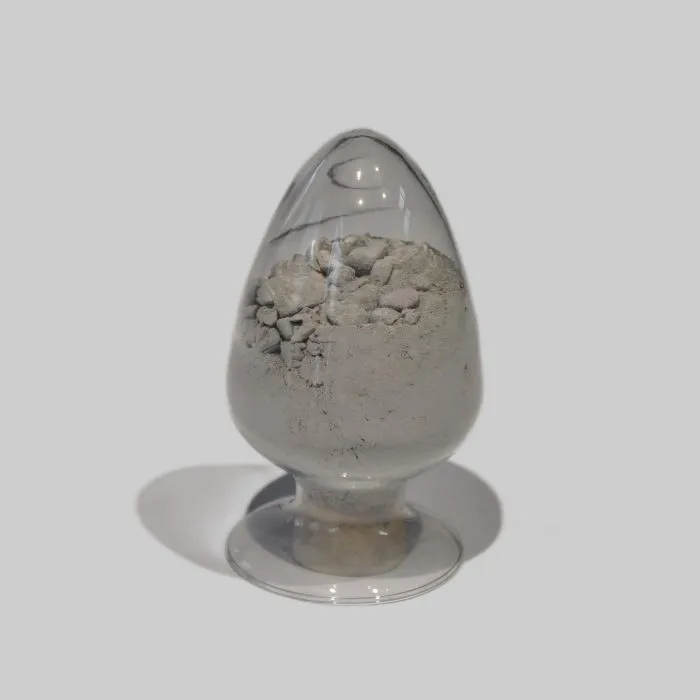
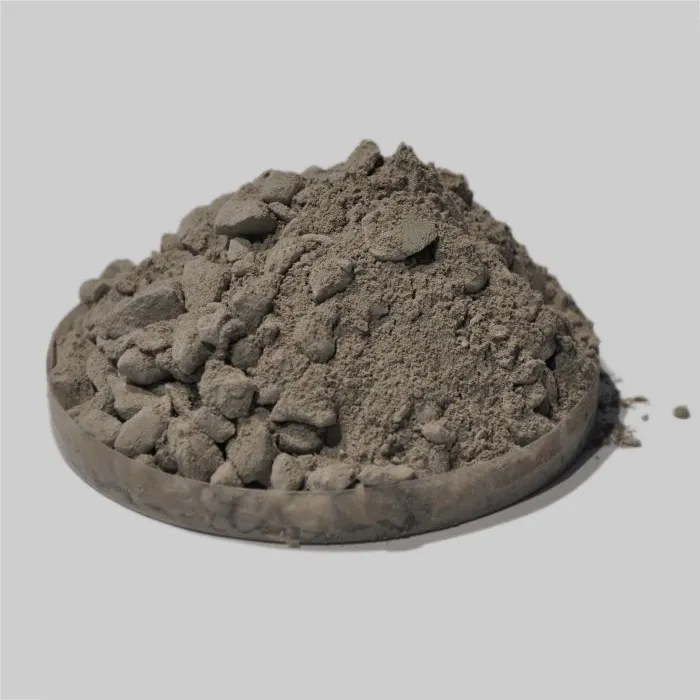
As a gunning mix supplier, I'm always looking for the best combination of additives to meet the specific needs of my customers. Whether you're in the market for Hot Patching EAF Gunning Mix or Ladle Gunning Mix, I can help you find the right gunning mix with the appropriate additives.
If you're interested in purchasing gunning mix or have any questions about the additives, feel free to reach out. We can have a detailed discussion about your requirements and find the perfect solution for your industrial needs.
References
- "Refractories Handbook", John Smith, 2018
- "Industrial Ceramics: Properties, Processing, and Applications", Jane Doe, 2020