

As a supplier of subentry nozzles, I've had numerous discussions with clients about the best practices for storing these crucial components. Subentry nozzles play a vital role in the continuous casting process, and proper storage is essential to maintain their quality and performance. In this blog, I'll share some insights on the optimal ways to store subentry nozzles.
Understanding the Importance of Proper Storage
Subentry nozzles are made from high - quality refractory materials. These materials are designed to withstand extreme temperatures and harsh chemical environments during the casting process. However, improper storage can lead to damage, such as cracking, erosion, or contamination, which can significantly affect the nozzle's functionality.
When a subentry nozzle is damaged due to poor storage, it may result in uneven metal flow during casting, leading to defects in the final product. Moreover, damaged nozzles may need to be replaced more frequently, increasing production costs and downtime. Therefore, ensuring the correct storage conditions is not only about preserving the physical integrity of the nozzles but also about maintaining the efficiency and quality of the entire casting operation.
Ideal Storage Conditions
Temperature and Humidity
The storage area should have a stable temperature and humidity level. Extreme temperature fluctuations can cause the refractory material of the subentry nozzle to expand and contract, leading to internal stresses and potential cracking. A temperature - controlled environment, ideally between 10°C and 30°C, is recommended.
High humidity can also be detrimental to the nozzles. Moisture can penetrate the porous structure of the refractory material, causing corrosion and weakening the nozzle. To prevent this, the relative humidity in the storage area should be kept below 60%. Dehumidifiers can be used in areas with high humidity to maintain the appropriate conditions.
Protection from Physical Damage
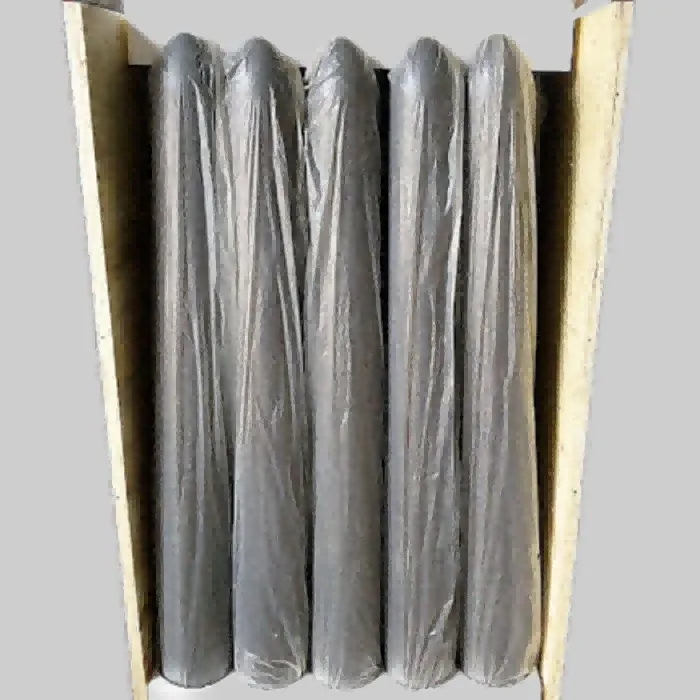
Subentry nozzles are relatively fragile and can be easily damaged by impacts or abrasions. They should be stored in a dedicated rack or pallet system that provides support and prevents them from coming into contact with hard surfaces or other sharp objects. Each nozzle should be individually wrapped or cushioned to minimize the risk of scratches or cracks.
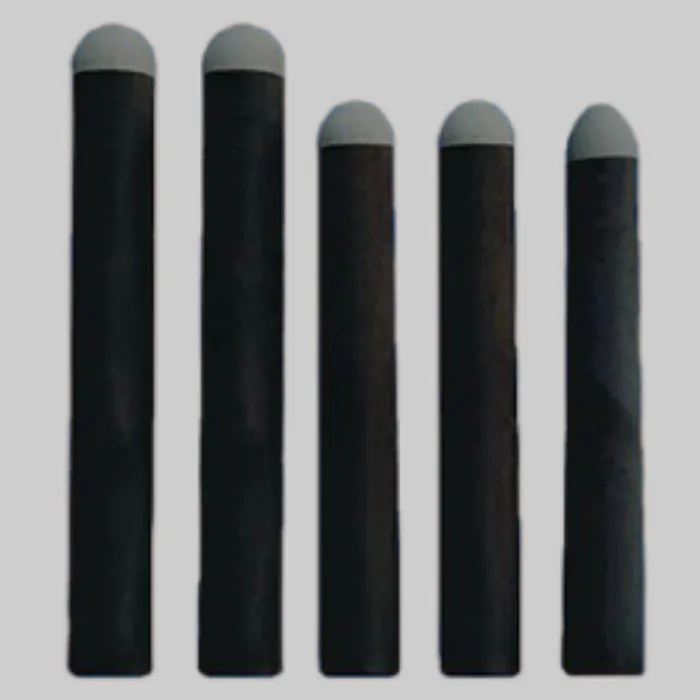
The storage racks should be designed to hold the nozzles securely in an upright position. This helps to maintain the shape of the nozzle and prevents any deformation that could occur if the nozzle is stored horizontally or at an angle for an extended period.
Protection from Contamination
The storage area should be clean and free from dust, dirt, and other contaminants. Dust particles can adhere to the surface of the nozzle and may cause blockages or affect the flow of molten metal during casting. Regular cleaning of the storage area, including sweeping and dusting, is necessary.
It's also important to keep the nozzles away from chemicals and other substances that could react with the refractory material. For example, acidic or alkaline substances can corrode the nozzle, reducing its lifespan and performance.
Storage Methods
Indoor Storage
Indoor storage is generally the preferred option for subentry nozzles. It provides better control over temperature, humidity, and protection from physical damage and contamination. A dedicated warehouse or storage room can be set up specifically for storing the nozzles.
The storage room should be well - ventilated to prevent the buildup of moisture and fumes. Adequate lighting is also necessary to ensure that the nozzles can be easily inspected for any signs of damage or deterioration.
Stacking and Organization
When storing subentry nozzles, proper stacking and organization are crucial. Nozzles should be stacked in a way that distributes the weight evenly and prevents any excessive pressure on the lower nozzles. It's recommended to stack the nozzles in a maximum of three layers to avoid over - compression.
Each stack should be clearly labeled with information such as the nozzle type, size, and production date. This makes it easier to locate and manage the inventory. Additionally, a first - in, first - out (FIFO) system should be implemented to ensure that the oldest nozzles are used first, reducing the risk of material degradation over time.
Complementary Products and Their Storage
In addition to subentry nozzles, our company also supplies other related products such as Well Blcok, Tundish Shroud, and Monolithic Stopper. These products also require proper storage to maintain their quality.
Well blocks, which are used to control the flow of molten metal from the ladle to the tundish, should be stored in a similar manner to subentry nozzles. They need to be protected from physical damage, temperature fluctuations, and contamination.
Tundish shrouds, which are used to protect the molten metal stream from oxidation and contamination during the transfer from the tundish to the mold, also need careful storage. They should be stored in a clean and dry environment, and their shape should be maintained to ensure proper alignment during use.
Monolithic stoppers, which are used to control the flow rate of molten metal in the tundish, should be stored upright to prevent any deformation. They should also be protected from moisture and dust to maintain their functionality.
Conclusion
Proper storage of subentry nozzles is essential for ensuring their quality and performance. By maintaining the right temperature and humidity, protecting them from physical damage and contamination, and using appropriate storage methods, we can extend the lifespan of the nozzles and improve the efficiency of the casting process.
If you are in the market for high - quality subentry nozzles or any of our related products such as Well Blcok, Tundish Shroud, or Monolithic Stopper, we would be delighted to discuss your requirements. Contact us to start a procurement discussion and find the best solutions for your casting operations.
References
- Refractory Handbook: A comprehensive guide on the properties and handling of refractory materials.
- Continuous Casting Technology Manual: Provides in - depth information on the components used in continuous casting and their proper usage and storage.