

Surface finish requirements for alumina bricks are crucial aspects that can significantly impact their performance, durability, and aesthetic appeal. As an alumina brick supplier, understanding these requirements is essential for providing high - quality products to our customers. In this blog, we will delve into the various surface finish requirements for alumina bricks and explain why they matter.
Importance of Surface Finish in Alumina Bricks
The surface finish of alumina bricks is not just about appearance; it plays a vital role in their functionality. A smooth and even surface finish can enhance the brick's resistance to abrasion, erosion, and chemical attack. This is especially important in high - temperature applications, where the bricks are exposed to harsh environments.
For example, in industrial furnaces, alumina bricks with a good surface finish can prevent the penetration of molten metals, slag, and corrosive gases. This helps to extend the lifespan of the bricks and reduces the need for frequent replacements, resulting in cost savings for the end - users.
Moreover, a proper surface finish can improve the installation process. Bricks with consistent surfaces fit together more precisely, reducing gaps and joints. This not only enhances the structural integrity of the lining but also improves the thermal efficiency of the furnace or kiln.
Surface Flatness and Smoothness
One of the primary surface finish requirements for alumina bricks is flatness. Flat bricks are easier to stack and install, ensuring a tight fit between adjacent bricks. Any deviations in flatness can lead to uneven load distribution, which may cause premature failure of the brick lining.
The smoothness of the surface is also critical. A smooth surface reduces friction during installation and helps to prevent the accumulation of debris and contaminants. In addition, a smooth finish can minimize the risk of cracks and spalling, which can occur when rough surfaces are exposed to thermal stress.
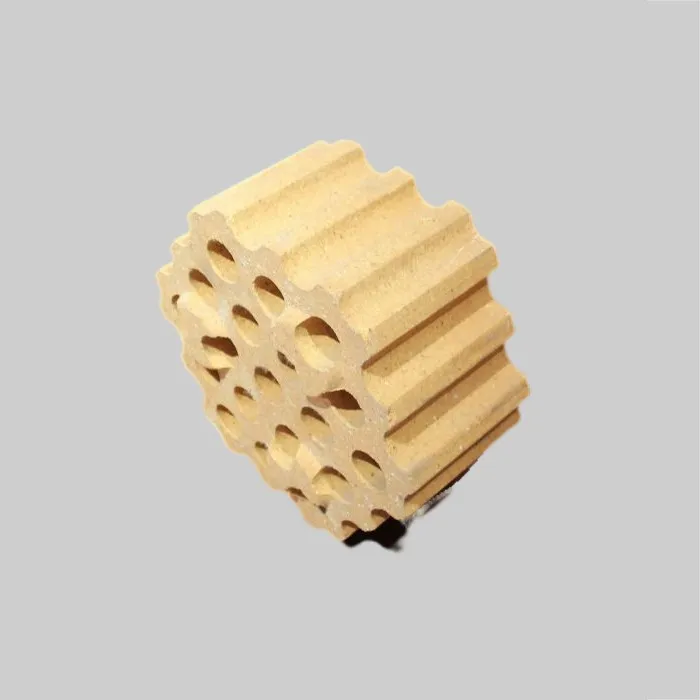
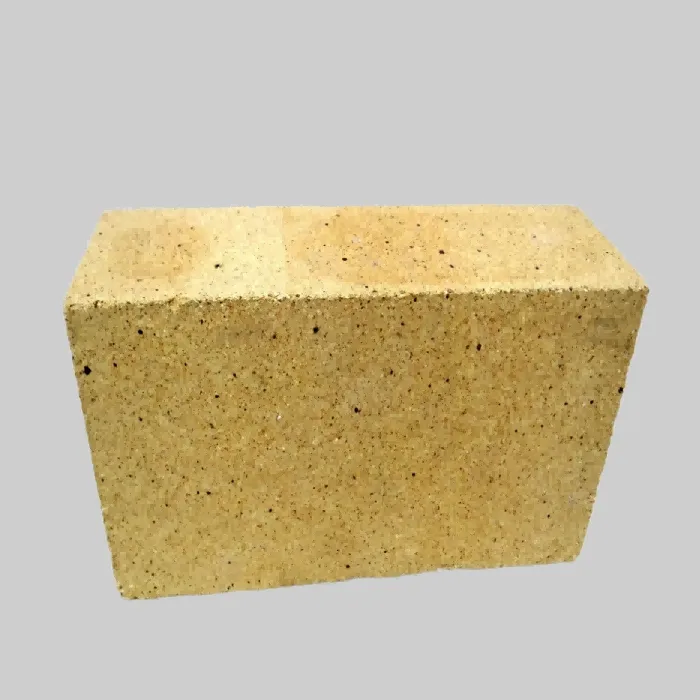
To achieve the desired flatness and smoothness, we use advanced manufacturing techniques. Our production process includes precision machining and grinding operations to ensure that each brick meets the strictest quality standards. This attention to detail allows us to provide alumina bricks with a surface finish that is both flat and smooth, ensuring optimal performance in various applications.
Surface Porosity
Surface porosity is another important factor to consider. Alumina bricks with low porosity are more resistant to chemical attack and thermal shock. Porous surfaces can absorb moisture, molten metals, and other corrosive substances, which can degrade the brick over time.
We control the porosity of our alumina bricks through careful selection of raw materials and the use of specialized firing techniques. By optimizing the firing temperature and duration, we can reduce the porosity of the bricks while maintaining their strength and durability. This results in alumina bricks that are highly resistant to chemical corrosion and can withstand extreme operating conditions.
Surface Texture
The surface texture of alumina bricks can also be tailored to meet specific application requirements. In some cases, a rough texture may be preferred to improve the adhesion of refractory coatings or to enhance the friction between bricks and other components.
On the other hand, a smooth texture is often desired for applications where cleanliness and ease of cleaning are important. For example, in food processing and pharmaceutical industries, smooth - textured alumina bricks are used to prevent the accumulation of contaminants and to ensure compliance with strict hygiene standards.
Applications and Corresponding Surface Finish Requirements
Industrial Furnaces
In industrial furnaces, alumina bricks are subjected to high temperatures, mechanical stress, and chemical attack. Therefore, the surface finish requirements are particularly stringent. Flat and smooth bricks are essential for proper installation and to prevent heat leakage through gaps. Low - porosity bricks are preferred to resist the penetration of molten metals and slag.
We offer a range of alumina bricks specifically designed for industrial furnace applications. Our Superior Clay Firebrick has a superior surface finish that meets the demanding requirements of these harsh environments. It provides excellent thermal insulation and chemical resistance, ensuring long - term performance in industrial furnaces.
Kilns
Kilns are used in various industries, such as ceramics, glass, and cement production. The surface finish of alumina bricks in kilns affects the quality of the products being fired. Smooth and flat bricks help to maintain a uniform temperature distribution, which is crucial for achieving consistent product quality.
Our Fire Bricks 230x114x64mm are ideal for kiln applications. They have a precise surface finish that allows for efficient heat transfer and reduces the risk of hot spots, ensuring high - quality production in kilns.
Refractory Linings
Refractory linings in chemical plants and power generation facilities require alumina bricks with excellent chemical resistance and surface finish. The surface should be smooth to prevent the adhesion of chemicals and to facilitate easy cleaning. Low - porosity bricks are necessary to resist the corrosive effects of acids, alkalis, and other chemicals.
Our Fire Clay Block is designed to meet the surface finish requirements of refractory linings. It offers superior chemical resistance and a smooth surface finish, making it suitable for use in a wide range of chemical and power generation applications.
Quality Control and Assurance
As an alumina brick supplier, we are committed to providing products of the highest quality. We have a comprehensive quality control system in place to ensure that all our alumina bricks meet the specified surface finish requirements.
Our quality control process includes regular inspections at every stage of production. We use advanced measuring instruments to check the flatness, smoothness, porosity, and other surface properties of the bricks. Any bricks that do not meet our strict quality standards are rejected, ensuring that only the best products are delivered to our customers.
Conclusion
In conclusion, the surface finish requirements for alumina bricks are diverse and critical for their performance in various applications. Flatness, smoothness, porosity, and texture all play important roles in determining the quality and durability of the bricks.
As a leading alumina brick supplier, we understand the importance of these surface finish requirements. We are dedicated to using the latest manufacturing technologies and quality control measures to produce alumina bricks that meet or exceed our customers' expectations.
If you are in need of high - quality alumina bricks for your industrial applications, we invite you to contact us for a consultation. Our team of experts will be happy to assist you in selecting the right products and to discuss your specific surface finish requirements. Let us work together to find the best solutions for your refractory needs.
References
- ASTM International. Standard Specifications for Alumina - Silica Refractory Brick.
- International Journal of Refractory Metals & Hard Materials. Research on the Surface Properties of Alumina Bricks.
- Industrial Furnace Design Handbook. Guidelines for Selecting Refractory Materials.