

As a supplier of monolithic stoppers, I've had my fair share of conversations with clients who are curious about what makes the price of these products tick. It's not just a random number pulled out of a hat; there are several key factors that come into play. In this blog, I'll break down these factors to give you a better understanding of why monolithic stoppers cost what they do.
Raw Materials
The first and most obvious factor is the raw materials used to make monolithic stoppers. These stoppers are typically made from high - quality refractory materials, which are designed to withstand extremely high temperatures. Materials like alumina, zirconia, and magnesia are commonly used.
Alumina is a popular choice because it's relatively inexpensive and offers good thermal stability. However, high - purity alumina can be quite costly. Zirconia, on the other hand, is known for its excellent resistance to corrosion and thermal shock, but it's also more expensive than alumina. Magnesia is often used in combination with other materials to enhance the refractory properties of the stopper. The quality and type of these raw materials have a direct impact on the final price of the monolithic stopper. For example, if a client requests a stopper made from high - purity zirconia, the cost will be significantly higher compared to one made from standard alumina.
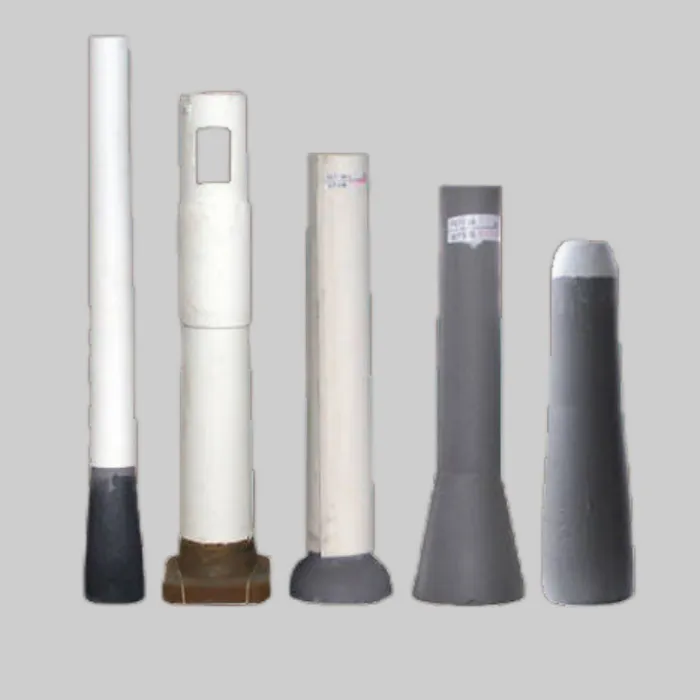
You can learn more about monolithic stoppers and their composition on our Monolithic Stopper page.
Manufacturing Process
The manufacturing process of monolithic stoppers is another crucial factor affecting the price. These stoppers are not mass - produced like some common industrial products. They require precision and expertise.
First, the raw materials need to be carefully selected and mixed in the right proportions. This is often done using advanced mixing equipment to ensure a homogeneous mixture. Then, the mixture is shaped into the desired form of the stopper. This can involve processes like pressing, casting, or extrusion. Each of these methods has its own set of costs associated with it.
Pressing requires expensive molds and high - pressure equipment, which adds to the overall cost. Casting, on the other hand, may require more labor - intensive work to ensure proper filling and curing of the mixture. Extrusion can be a cost - effective method for some simple shapes, but it may not be suitable for complex stopper designs.
After shaping, the stoppers go through a firing process. This is done at very high temperatures in specialized kilns. The firing process is critical as it determines the final properties of the stopper, such as its density, strength, and thermal resistance. The longer the firing time and the higher the temperature, the more energy is consumed, which increases the manufacturing cost.
Design Complexity
The design of the monolithic stopper also plays a big role in its price. A simple, standard - shaped stopper will be less expensive to produce compared to a custom - designed one.
Custom designs often require additional engineering work and specialized tooling. For example, if a client needs a stopper with a unique shape to fit a specific application, our engineering team will have to create detailed design drawings and develop new manufacturing processes. This not only takes time but also incurs additional costs for things like new molds or machining operations.
In some cases, the stopper may need to be integrated with other components, such as a Subentry Nozzle or a Sub Entry Nozzle. These integrated designs require even more precise engineering and assembly work, which further drives up the price.
Quality and Performance Requirements
Quality and performance are non - negotiable when it comes to monolithic stoppers. These products are used in high - temperature applications, such as steelmaking, where any failure can have serious consequences.
Clients often have specific quality and performance requirements for their stoppers. For example, they may need a stopper with a certain level of thermal conductivity, corrosion resistance, or mechanical strength. To meet these requirements, we may need to use higher - quality raw materials or implement additional quality control measures during the manufacturing process.
Quality control is a time - consuming and costly process. It involves testing the stoppers at various stages of production to ensure they meet the specified standards. This includes tests for density, porosity, chemical composition, and mechanical properties. The more stringent the quality requirements, the more expensive the final product will be.
Market Demand and Supply
Like any other product, the price of monolithic stoppers is also affected by market demand and supply. When the demand for these stoppers is high, and the supply is limited, the price tends to go up.
In the steel industry, for example, when there is a boom in steel production, the demand for monolithic stoppers increases. Steel mills need to replace their worn - out stoppers more frequently to maintain production efficiency. If our production capacity is limited at that time, we may have to increase the price to balance the demand and supply.
Conversely, when the market is slow, and there is less demand for stoppers, we may offer discounts or lower prices to attract more customers. Market trends, such as changes in the steel industry's production volume or new regulations on refractory materials, can also impact the demand and supply dynamics and, consequently, the price of monolithic stoppers.
Shipping and Logistics
Shipping and logistics costs are often overlooked but can have a significant impact on the final price of the monolithic stoppers. These products are heavy and bulky, which means shipping them can be expensive.
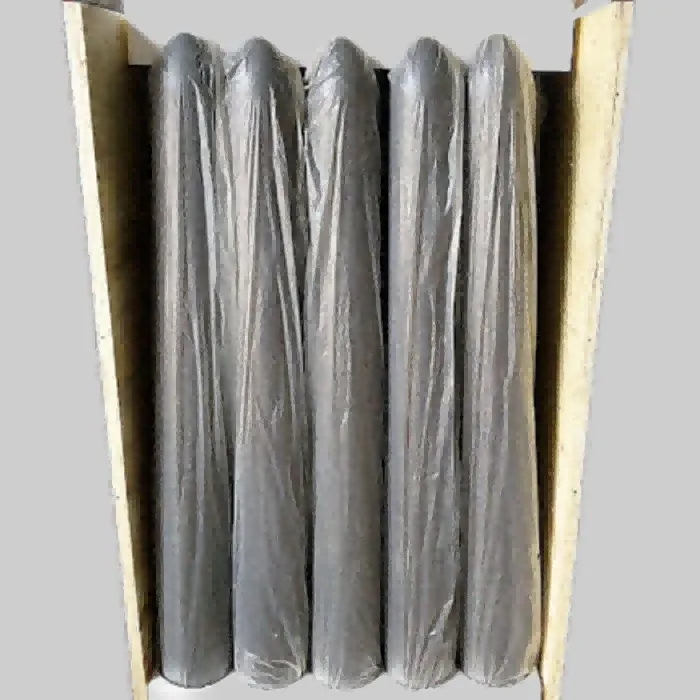
The distance between our manufacturing facility and the client's location is a major factor in shipping costs. If the client is located overseas, additional costs such as customs duties, taxes, and international shipping fees will be added to the price. We also need to ensure that the stoppers are properly packaged to prevent damage during transit. Specialized packaging materials and techniques may be required, which also contribute to the overall cost.
Research and Development
We are constantly investing in research and development to improve the performance and quality of our monolithic stoppers. This includes developing new materials, improving manufacturing processes, and enhancing product designs.
Research and development costs are spread across all our products. When we introduce a new and improved monolithic stopper to the market, the price may be higher initially to cover the R & D expenses. However, these new products often offer better performance and longer service life, which can provide cost - savings for the client in the long run.
In conclusion, the price of monolithic stoppers is determined by a combination of factors, including raw materials, manufacturing process, design complexity, quality and performance requirements, market demand and supply, shipping and logistics, and research and development. As a supplier, we strive to offer high - quality products at competitive prices. If you're interested in purchasing monolithic stoppers or have any questions about their pricing, feel free to contact us for a detailed quote and to discuss your specific requirements. We're here to help you find the best solution for your application.
References
- "Refractory Materials: Properties and Applications" by John Smith
- "Advanced Manufacturing Technologies for High - Temperature Products" by Jane Doe
- Industry reports on the steel and refractory markets