

Abrasion resistance is a crucial property when it comes to magnesite bricks, especially for industries that operate under harsh conditions where these bricks are subjected to constant friction, wear, and impact. As a magnesite brick supplier, I have witnessed firsthand the importance of understanding and evaluating the abrasion resistance of these high - performance refractory materials.
Understanding Magnesite Bricks
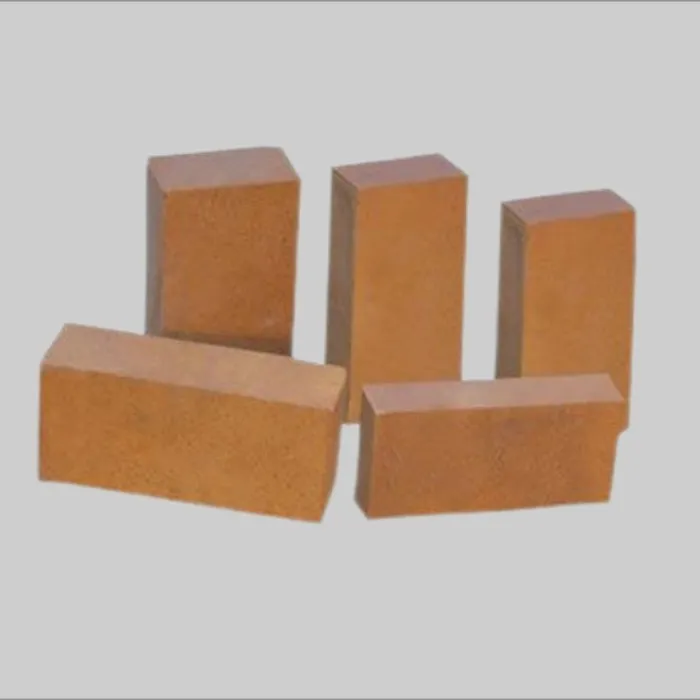
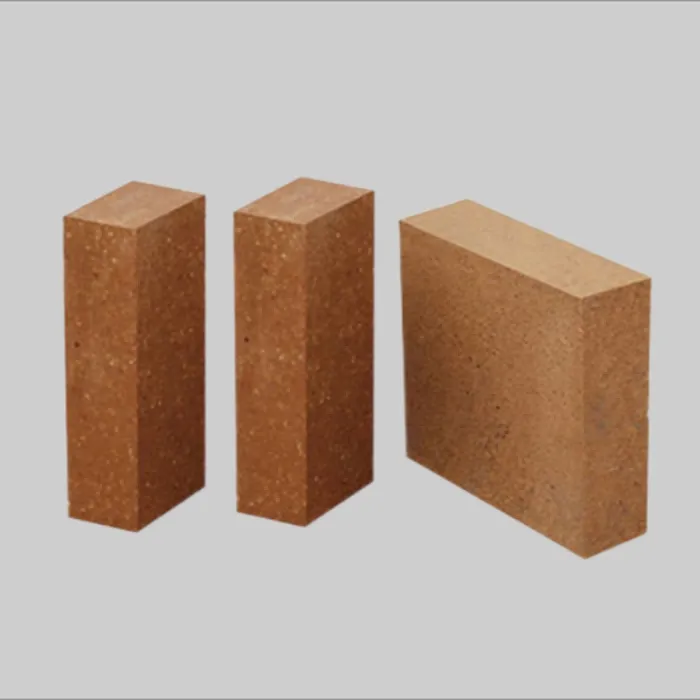
Magnesite bricks, also known as Magnesia Refractory Bricks, Mgo Brick, and Magnesia Brick, are primarily made from magnesite, a mineral rich in magnesium oxide (MgO). These bricks are highly valued in the refractory industry due to their excellent thermal stability, high melting point, and resistance to basic slag. They are commonly used in various high - temperature applications such as steelmaking furnaces, cement kilns, and non - ferrous metal smelting furnaces.
What is Abrasion Resistance?
Abrasion resistance refers to the ability of a material to withstand the mechanical action of rubbing, scraping, or erosion by solid particles, liquids, or gases. In the context of magnesite bricks, it is the capacity of the brick to resist wear and tear caused by the movement of hot materials, such as molten metals, slags, and abrasive powders, within industrial furnaces.
The abrasion process can be classified into two main types: adhesive abrasion and abrasive abrasion. Adhesive abrasion occurs when two surfaces in contact slide against each other, causing material transfer and wear. Abrasive abrasion, on the other hand, is caused by the presence of hard particles that scratch or cut the surface of the material.
Factors Affecting the Abrasion Resistance of Magnesite Bricks
Chemical Composition
The chemical composition of magnesite bricks plays a significant role in determining their abrasion resistance. A higher content of magnesium oxide (MgO) generally leads to better abrasion resistance. MgO has a high melting point and excellent chemical stability, which helps the brick maintain its integrity under high - temperature and abrasive conditions. Other impurities, such as silica (SiO₂), alumina (Al₂O₃), and iron oxide (Fe₂O₃), can affect the abrasion resistance negatively. These impurities can form low - melting - point phases during the service of the brick, which are more susceptible to abrasion.
Microstructure
The microstructure of magnesite bricks, including the grain size, porosity, and the distribution of phases, also has a profound impact on their abrasion resistance. Coarse - grained magnesite bricks tend to have lower abrasion resistance compared to fine - grained ones. This is because the larger grains are more likely to be dislodged during the abrasion process. Porosity is another important factor. High - porosity bricks are more prone to abrasion as the pores provide channels for the penetration of abrasive particles and can weaken the overall structure of the brick.
Manufacturing Process
The manufacturing process of magnesite bricks can influence their abrasion resistance. Proper sintering is crucial for achieving a dense and strong microstructure. Under - sintered bricks may have a porous and weak structure, which is easily worn away. On the other hand, over - sintered bricks may develop cracks, reducing their abrasion resistance. The use of advanced manufacturing techniques, such as isostatic pressing, can improve the density and uniformity of the bricks, thereby enhancing their abrasion resistance.
Testing the Abrasion Resistance of Magnesite Bricks
There are several standard test methods available for evaluating the abrasion resistance of magnesite bricks. One of the most commonly used methods is the ASTM C704 standard test method for abrasion resistance of refractories by air - jet abrasion. In this test, a stream of abrasive particles is directed at the surface of the brick specimen at a specified velocity and angle for a certain period of time. The weight loss of the specimen is then measured, and the abrasion resistance is calculated based on the weight loss.
Another test method is the DIN 51064 standard, which measures the abrasion resistance of refractories by a rotating - drum method. In this test, the brick specimen is placed in a rotating drum along with abrasive balls, and the weight loss of the specimen after a certain number of rotations is determined.
Importance of Abrasion Resistance in Industrial Applications
In industries such as steelmaking, cement production, and non - ferrous metal smelting, magnesite bricks are exposed to extremely harsh conditions. In steelmaking furnaces, for example, the bricks are in contact with molten steel, slags, and hot gases, which can cause severe abrasion. If the magnesite bricks do not have sufficient abrasion resistance, they will wear out quickly, leading to frequent repairs and replacements of the furnace lining. This not only increases the maintenance cost but also reduces the productivity of the furnace.
In cement kilns, the bricks are subjected to the abrasion caused by the movement of raw materials, clinker, and hot gases. A high - abrasion - resistant magnesite brick can ensure the long - term stability of the kiln lining, reducing the risk of kiln downtime and improving the overall efficiency of the cement production process.
Improving the Abrasion Resistance of Magnesite Bricks
Material Selection
Selecting high - quality raw materials with a high MgO content and low impurity levels is the first step in improving the abrasion resistance of magnesite bricks. Suppliers should carefully source their raw materials and conduct strict quality control to ensure the consistency of the chemical composition.
Microstructure Optimization
Controlling the microstructure of magnesite bricks through proper manufacturing processes is essential for enhancing their abrasion resistance. This can be achieved by adjusting the grain size, porosity, and phase distribution. For example, using fine - grained raw materials and optimizing the sintering process can result in a dense and uniform microstructure.
Surface Treatment
Surface treatment techniques can also be used to improve the abrasion resistance of magnesite bricks. Coating the surface of the bricks with a wear - resistant material, such as a ceramic coating, can provide an additional layer of protection against abrasion.
Conclusion
The abrasion resistance of magnesite bricks is a critical property that determines their performance and service life in industrial applications. As a magnesite brick supplier, we understand the importance of providing high - quality bricks with excellent abrasion resistance. By carefully controlling the chemical composition, microstructure, and manufacturing process, we can produce magnesite bricks that meet the demanding requirements of various industries.
If you are looking for high - quality magnesite bricks with superior abrasion resistance for your industrial applications, we are here to help. Our team of experts can provide you with professional advice and customized solutions to meet your specific needs. Please feel free to contact us for more information and to start a procurement discussion.
References
- ASTM International. ASTM C704 - 18 Standard Test Method for Abrasion Resistance of Refractories by Air - Jet Abrasion.
- DIN Deutsches Institut für Normung e.V. DIN 51064:2004 - 08 Testing of Ceramic Materials; Determination of the Abrasion Resistance of Refractory Materials; Rotating - Drum Method.
- Rao, K. P. (2016). Refractory Materials: Properties, Selection, and Application. CRC Press.