

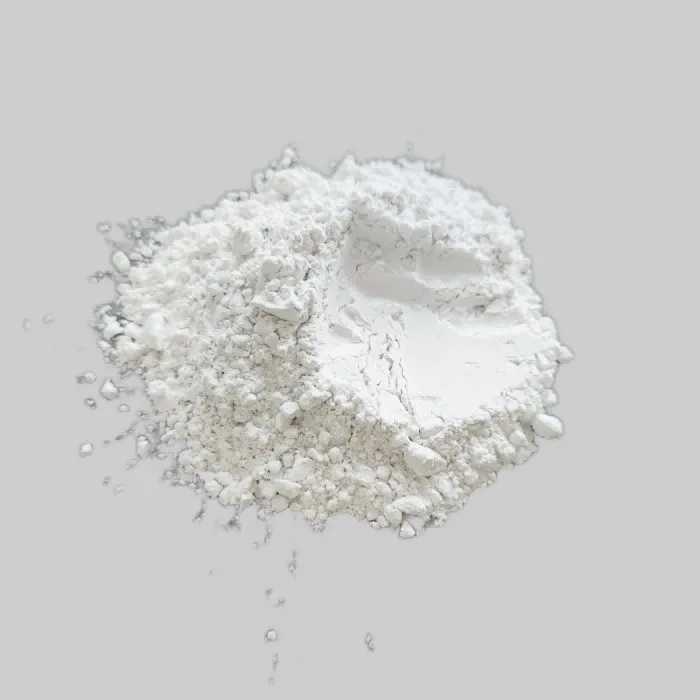
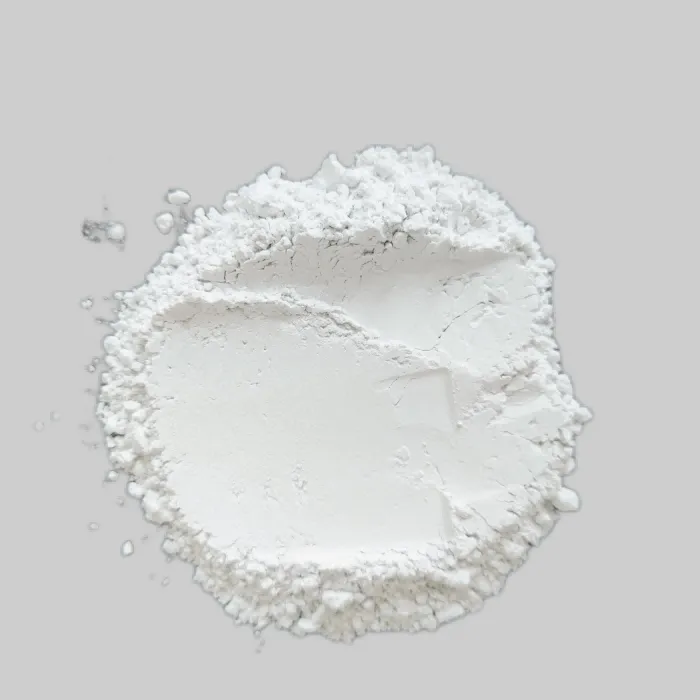
How long does it take for refractory cement to dry? This is a question that often comes up among our customers in the industry where we are a trusted refractory cement supplier. The drying time of refractory cement is influenced by multiple factors, and understanding these can help you make the most of our high - quality products, such as Alumina Refractory Cement, High Heat Refractory Cement and 3000f Refractory Cement.
Factors Affecting Drying Time
Cement Composition
The composition of refractory cement is a primary determinant of its drying time. Different types of refractory cements are formulated with various raw materials to achieve specific properties. For instance, alumina - based refractory cements typically have a different drying profile compared to those with a high content of magnesia. Alumina refractory cements, like the ones we offer at Alumina Refractory Cement, often have a relatively shorter initial setting time due to the reactivity of alumina with water. This means that they start to harden and lose their plasticity faster. On the other hand, cements with a high magnesia content may take longer to dry as magnesia reacts more slowly with water.
Environmental Conditions
The environment in which the refractory cement is applied plays a crucial role. Temperature is one of the most significant factors. In general, higher temperatures accelerate the drying process. When the ambient temperature is warm, the water in the cement mixture evaporates more quickly, and the chemical reactions that lead to hardening occur at a faster rate. For example, in a hot summer day with temperatures above 30°C (86°F), the drying time of our High Heat Refractory Cement can be significantly reduced compared to a cold winter day where the temperature hovers around 5°C (41°F).
Humidity also has an impact. High humidity levels slow down the drying process because the air is already saturated with water vapor, making it more difficult for the water in the cement to evaporate. In a very humid environment, such as a coastal area during the rainy season, the drying time of refractory cement can be extended by several hours or even days compared to a dry environment.
Ventilation is another environmental factor. Good ventilation helps to remove the moisture from the vicinity of the cement surface, promoting faster drying. In a well - ventilated room or an outdoor area with a gentle breeze, the water vapor can be carried away more efficiently, speeding up the drying of the refractory cement.
Application Thickness
The thickness of the refractory cement application is directly related to the drying time. A thicker layer of cement takes longer to dry because the water has to travel a greater distance to reach the surface and evaporate. For example, if you are applying a thin layer of our 3000f Refractory Cement for a minor repair, it may dry within a few hours. However, if you are constructing a large refractory lining with a thick layer of cement, it could take several days for the entire thickness to dry thoroughly.
Typical Drying Times
Initial Setting Time
The initial setting time is when the refractory cement starts to lose its plasticity and begins to harden. For most of our standard refractory cements, the initial setting time can range from 30 minutes to 2 hours under normal environmental conditions (around 20 - 25°C or 68 - 77°F and moderate humidity). Alumina - rich refractory cements usually have an initial setting time at the lower end of this range, while some specialty cements with slower - reacting components may take closer to 2 hours.
Final Drying Time
The final drying time, when the cement has fully hardened and reached its maximum strength, can vary widely. In ideal conditions (warm temperature, low humidity, and good ventilation), a thin application (less than 1 cm or 0.4 inches) of our refractory cement may be fully dry within 24 - 48 hours. However, for a thicker application (5 - 10 cm or 2 - 4 inches), it can take anywhere from 3 to 7 days. In less favorable conditions, such as cold and humid weather, the final drying time can be extended to 10 days or more.
Tips to Accelerate Drying
Temperature Control
If possible, try to apply the refractory cement in a controlled environment where you can adjust the temperature. You can use heaters in a cold environment to raise the temperature and speed up the drying process. However, be careful not to overheat the cement, as this can cause cracking due to rapid water evaporation.
Dehumidification
In a humid environment, using a dehumidifier can significantly reduce the humidity levels and accelerate drying. This is especially useful in indoor applications where you have more control over the environment.
Thinner Applications
Whenever feasible, apply the refractory cement in thinner layers. This allows the water to evaporate more quickly and reduces the overall drying time. You can build up the required thickness by applying multiple thin layers with appropriate intervals between each application.
Importance of Proper Drying
Proper drying of refractory cement is essential for its long - term performance. If the cement dries too quickly, it may develop cracks due to rapid water loss and shrinkage. These cracks can compromise the integrity of the refractory lining and reduce its ability to withstand high temperatures and mechanical stress. On the other hand, if the cement does not dry thoroughly, it may not reach its full strength, which can lead to premature failure of the refractory structure.
As a reliable refractory cement supplier, we are committed to providing you with high - quality products and the knowledge to use them effectively. Whether you are working on a small DIY project or a large industrial installation, understanding the drying time of our refractory cements, such as Alumina Refractory Cement, High Heat Refractory Cement and 3000f Refractory Cement, is crucial for achieving the best results.
Contact Us for Your Refractory Cement Needs
If you have any questions about our refractory cements, their drying times, or need advice on your specific project, we encourage you to reach out to us. Our team of experts is ready to assist you with all your refractory cement requirements. We can provide you with detailed product information, technical support, and help you choose the right product for your application. Whether you are a small - scale user or a large industrial client, we look forward to discussing your procurement needs and working together to ensure the success of your projects.
References
- ASTM International. Standard Test Methods for Time of Setting of Hydraulic Cement by Vicat Needle. ASTM C191 - 19.
- Mindess, S., Young, J. F., & Darwin, D. (2003). Concrete: Microstructure, Properties, and Materials. Prentice Hall.