

Can tundish nozzles be reused? This is a question that often arises in the steelmaking industry, and as a tundish nozzle supplier, I am well - versed in this topic and eager to share my insights.
Understanding Tundish Nozzles
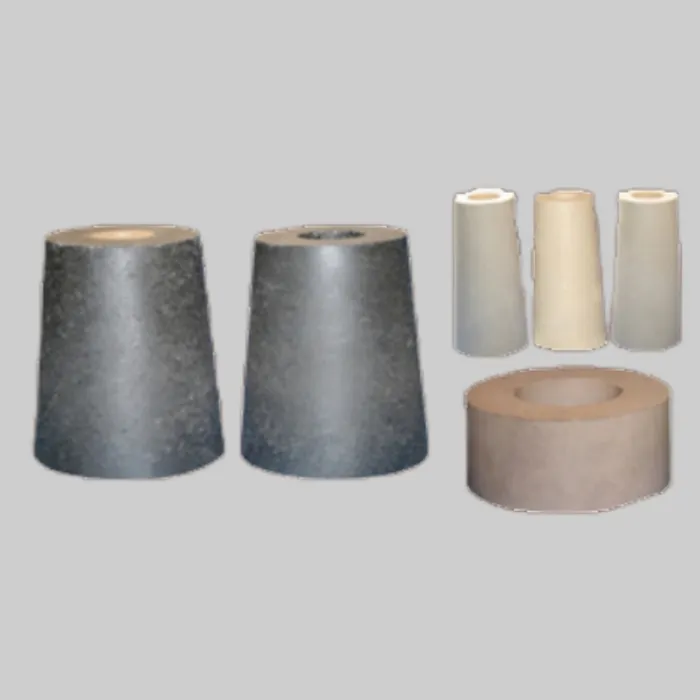
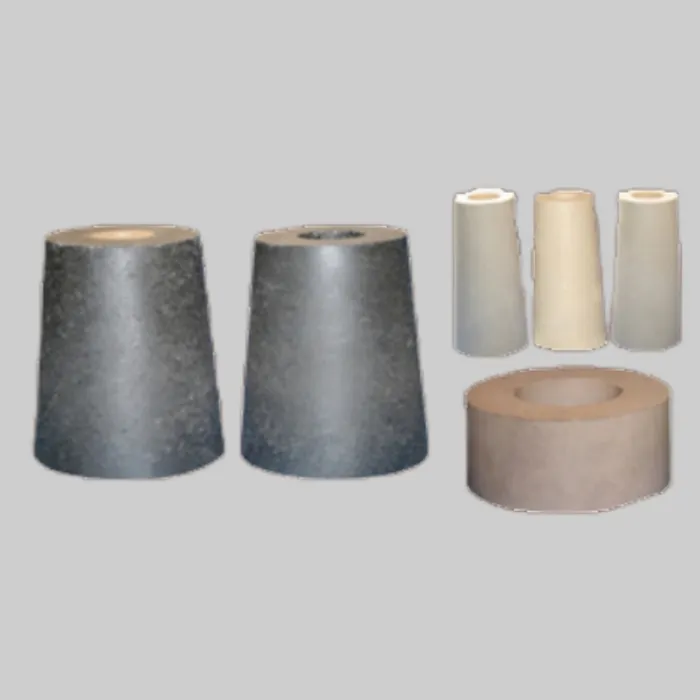
Tundish nozzles play a crucial role in the continuous casting process of steel. They are refractory components that control the flow of molten steel from the tundish to the mold. The Tundish Nozzle is designed to withstand extremely high temperatures, erosion from the flowing molten metal, and chemical reactions with the steel and slag. There are different types of tundish nozzles, such as Zirconia Nozzle and Refractory Ladle Nozzle, each with its own unique properties and applications.
Factors Affecting Reusability
The reusability of tundish nozzles depends on several factors. First and foremost is the condition of the nozzle after use. During the casting process, the nozzle is exposed to harsh conditions. The high - temperature molten steel can cause thermal shock, which may lead to cracking and spalling of the refractory material. Erosion by the flowing steel can also wear down the inner surface of the nozzle, changing its internal diameter and affecting the flow rate and control of the molten steel.
Chemical reactions are another significant factor. The molten steel and slag can react with the refractory material of the nozzle, leading to corrosion. For example, some elements in the steel may react with the oxides in the refractory, forming new compounds that can weaken the structure of the nozzle. If the nozzle has suffered significant damage from thermal shock, erosion, or corrosion, it may not be suitable for reuse.
The type of steel being cast also matters. Different steels have different chemical compositions and temperatures. High - alloy steels, for instance, are more aggressive towards the refractory material due to their higher content of alloying elements. Casting high - alloy steels may cause more severe damage to the tundish nozzle compared to casting low - carbon steels, reducing the likelihood of reuse.
Reuse Possibilities and Conditions
In some cases, tundish nozzles can be reused. If the damage to the nozzle is minor, such as slight surface erosion or minor cracking that does not affect the overall performance and flow control, it may be possible to refurbish the nozzle for reuse. One common method of refurbishment is to repair the damaged areas. For example, if there are small cracks, a refractory repair material can be used to fill them. The inner surface of the nozzle can also be coated with a protective layer to reduce further erosion during subsequent use.
However, strict inspection and testing procedures are necessary before reuse. Non - destructive testing methods, such as ultrasonic testing and X - ray inspection, can be used to detect internal cracks and defects that are not visible to the naked eye. The internal diameter of the nozzle should be accurately measured to ensure that it meets the requirements for proper flow control. Only after passing these inspections can the nozzle be considered for reuse.
Advantages of Reusing Tundish Nozzles
Reusing tundish nozzles can bring several advantages. From an economic perspective, it can significantly reduce costs. Refractory materials are expensive, and manufacturing a new tundish nozzle involves not only the cost of raw materials but also the cost of production processes such as molding, firing, and quality control. By reusing nozzles, steelmakers can save on these costs.
Environmentally, reusing nozzles is more sustainable. The production of refractory materials consumes a large amount of energy and natural resources. Reducing the demand for new nozzles through reuse helps to conserve these resources and reduce the environmental impact associated with the manufacturing process.
Challenges and Limitations
Despite the potential benefits, there are also challenges and limitations to reusing tundish nozzles. One of the main challenges is ensuring consistent quality. The performance of a reused nozzle may vary depending on the degree of damage and the effectiveness of the refurbishment process. This can lead to uncertainties in the casting process, such as inconsistent flow rates and potential quality issues in the final steel product.
Another limitation is the limited number of reuse cycles. Even with proper refurbishment, the refractory material of the nozzle will gradually degrade over time. After a certain number of uses, the cumulative damage will reach a point where the nozzle can no longer be safely reused, and a new nozzle must be installed.
Our Role as a Tundish Nozzle Supplier
As a tundish nozzle supplier, we are committed to providing high - quality products and solutions to our customers. We offer a wide range of tundish nozzles, including Tundish Nozzle, Zirconia Nozzle, and Refractory Ladle Nozzle, to meet the different needs of steelmakers.
We also provide technical support to our customers regarding the reuse of tundish nozzles. Our team of experts can assist in the inspection and refurbishment process, ensuring that the reused nozzles meet the necessary quality standards. We can offer advice on the best practices for handling and maintaining the nozzles during use to minimize damage and increase the likelihood of reuse.
Conclusion
In conclusion, the question of whether tundish nozzles can be reused is not a simple yes or no. It depends on various factors such as the condition of the nozzle, the type of steel being cast, and the effectiveness of the refurbishment process. While there are challenges and limitations, reusing tundish nozzles can bring significant economic and environmental benefits.
If you are in the steelmaking industry and are interested in tundish nozzles, whether for new purchases or advice on reuse, we are here to help. We invite you to contact us for more information and to discuss your specific requirements. Our expertise and high - quality products can support your steel - casting operations.
References
- "Refractories in Steelmaking" by John Doe. Published by Steel Industry Press, 20XX.
- "Continuous Casting Technology" by Jane Smith. Published by Metallurgy Academic Publishing, 20XX.