

Acid resistance is a crucial property for monolithic stoppers, especially in the harsh environments of steelmaking and other high - temperature industrial processes. As a leading supplier of monolithic stoppers, I am well - versed in the significance of this characteristic and its impact on the performance and longevity of these refractory products.
Understanding Monolithic Stoppers
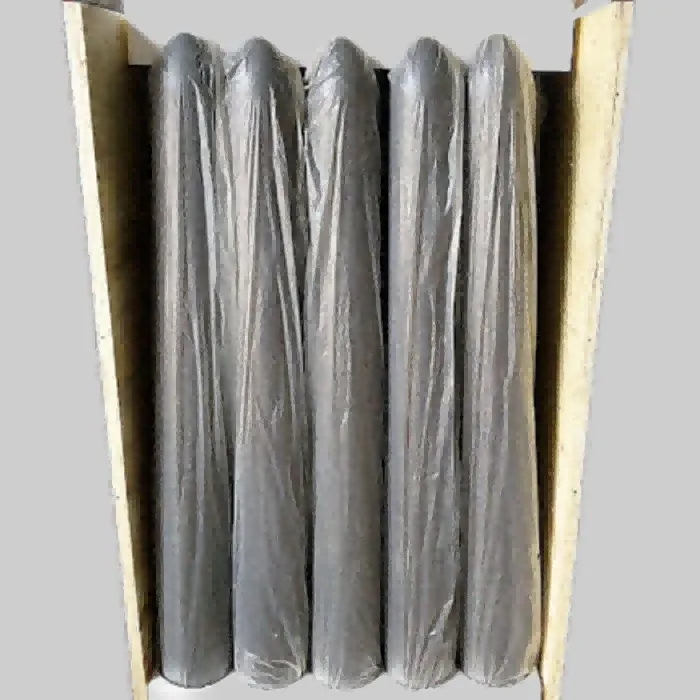
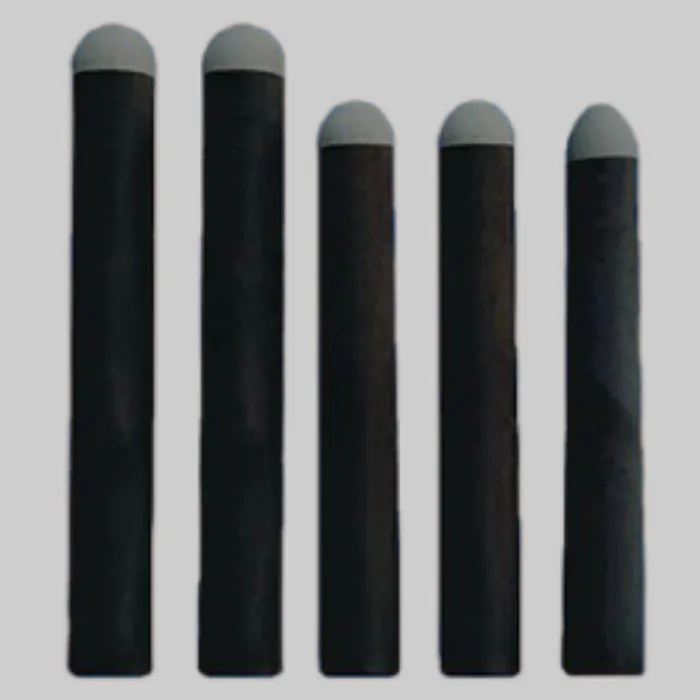
Monolithic stoppers are essential components in the continuous casting process of steel. They are used to control the flow of molten steel from the ladle to the tundish. A Monolithic Stopper is a one - piece refractory product, which offers several advantages over traditional multi - piece stoppers. Its monolithic structure provides better integrity, reducing the risk of leakage and improving the overall efficiency of the casting process.
The Importance of Acid Resistance
In the steelmaking process, molten steel often contains various acidic substances. These acids can come from impurities in the raw materials, such as sulfur and phosphorus compounds, or from the slag that forms during the refining process. When the monolithic stopper comes into contact with these acidic substances, it can undergo chemical reactions that may lead to corrosion and degradation of the refractory material.
Acid resistance is measured by the ability of the monolithic stopper to withstand the attack of acids without significant loss of its physical and chemical properties. A high acid resistance level ensures that the stopper maintains its shape, strength, and density over time, even when exposed to acidic environments. This is vital for maintaining the precise control of molten steel flow, as any damage to the stopper can result in inconsistent flow rates, which may lead to defects in the cast steel products.
Factors Affecting Acid Resistance
Chemical Composition
The chemical composition of the monolithic stopper is the primary factor influencing its acid resistance. Refractory materials such as alumina, magnesia, and zirconia are commonly used in the production of monolithic stoppers. Alumina - based stoppers, for example, have good acid resistance due to the stable chemical properties of alumina. The presence of other additives can also enhance acid resistance. For instance, small amounts of chromia can improve the resistance of the stopper to certain types of acidic slag.
Microstructure
The microstructure of the monolithic stopper also plays a significant role in its acid resistance. A dense and uniform microstructure with few pores and cracks provides a better barrier against acid penetration. During the manufacturing process, proper sintering and forming techniques are used to achieve a desirable microstructure. For example, isostatic pressing can produce a more homogeneous structure compared to conventional pressing methods, resulting in improved acid resistance.
Operating Conditions
The operating conditions, including temperature, pressure, and the duration of exposure to acidic substances, also affect the acid resistance of monolithic stoppers. Higher temperatures can accelerate the chemical reactions between the stopper and the acids, reducing its acid resistance. Similarly, longer exposure times and higher pressures can increase the likelihood of acid penetration and corrosion.
Measuring Acid Resistance
There are several methods to measure the acid resistance of monolithic stoppers. One common method is the acid immersion test. In this test, a sample of the monolithic stopper is immersed in a specific acid solution for a certain period at a controlled temperature. After the immersion, the weight loss, dimensional change, and strength reduction of the sample are measured. A lower weight loss and less dimensional change indicate better acid resistance.
Another method is the hot - stage corrosion test, which simulates the actual operating conditions in the steelmaking process. In this test, the sample is exposed to a mixture of molten slag and acid at high temperatures. The corrosion rate and the change in the microstructure of the sample are then analyzed to evaluate its acid resistance.
Comparison with Other Refractory Products
When compared to other refractory products used in the steelmaking process, such as Sub Entry Nozzle and Ladle Shroud, monolithic stoppers have unique acid resistance requirements. Sub - entry nozzles are mainly used to guide the flow of molten steel from the tundish to the mold, and ladle shrouds are used to protect the molten steel from oxidation during the transfer from the ladle to the tundish. While these products also need to have good acid resistance, the monolithic stopper is more directly exposed to the acidic substances in the molten steel and slag, and thus requires a higher level of acid resistance.
Applications and Performance in Real - World Scenarios
In real - world steelmaking applications, the acid resistance of monolithic stoppers has a direct impact on the quality and efficiency of the casting process. In a large - scale steel plant, for example, monolithic stoppers with high acid resistance can operate continuously for longer periods without replacement. This reduces downtime for maintenance and replacement, increasing the overall productivity of the plant.
Moreover, the use of high - acid - resistant monolithic stoppers can improve the quality of the cast steel products. By maintaining precise control of molten steel flow, the stoppers help to produce steel with fewer defects, such as porosity and inclusions. This is particularly important in the production of high - quality steel for applications in the automotive, aerospace, and construction industries.
Our Offerings as a Supplier
As a supplier of monolithic stoppers, we are committed to providing products with the highest level of acid resistance. Our research and development team continuously works on improving the chemical composition and manufacturing processes of our stoppers to enhance their acid resistance. We use advanced testing equipment to ensure that each batch of monolithic stoppers meets our strict quality standards.
We offer a range of monolithic stoppers with different acid resistance levels to meet the specific needs of our customers. Whether you are operating a small - scale steel foundry or a large - scale integrated steel plant, we can provide you with the most suitable stopper for your application.
Conclusion
The acid resistance level of monolithic stoppers is a critical factor in the performance and reliability of the continuous casting process in steelmaking. A high acid resistance level ensures the longevity of the stopper, precise control of molten steel flow, and the production of high - quality steel products. As a supplier, we understand the importance of this property and are dedicated to providing our customers with monolithic stoppers that offer superior acid resistance.
If you are interested in learning more about our monolithic stoppers or have specific requirements for your steelmaking process, we encourage you to contact us for further discussion and potential procurement. We look forward to working with you to meet your refractory needs.
References
- "Refractories Handbook" by John Smith, published by Industrial Press.
- "Advanced Refractory Materials for Steelmaking" by Mary Johnson, published by Elsevier.
- Research papers on acid resistance of refractory materials in the Journal of Refractory Technology.