

Calcined bauxite is a widely used industrial material known for its excellent physical and chemical properties. As a supplier of calcined bauxite, I often receive inquiries about various aspects of this material, and one question that frequently comes up is: What is the thermal expansion coefficient of calcined bauxite? In this blog post, I'll delve into this topic, explaining what the thermal expansion coefficient is, how it applies to calcined bauxite, and why it matters in different applications.
Understanding the Thermal Expansion Coefficient
Before we discuss the thermal expansion coefficient of calcined bauxite, let's first understand what the thermal expansion coefficient is. In simple terms, the thermal expansion coefficient is a measure of how much a material expands or contracts when its temperature changes. It is usually expressed as the fractional change in length or volume per degree change in temperature. There are two main types of thermal expansion coefficients: the linear thermal expansion coefficient (CTE), which measures the change in length, and the volumetric thermal expansion coefficient, which measures the change in volume.
The formula for the linear thermal expansion coefficient (α) is given by:
α = (ΔL / L₀) / ΔT
Where:
- ΔL is the change in length
- L₀ is the original length
- ΔT is the change in temperature
The volumetric thermal expansion coefficient (β) is approximately three times the linear thermal expansion coefficient for isotropic materials (materials with the same properties in all directions):
β ≈ 3α
Thermal Expansion Coefficient of Calcined Bauxite
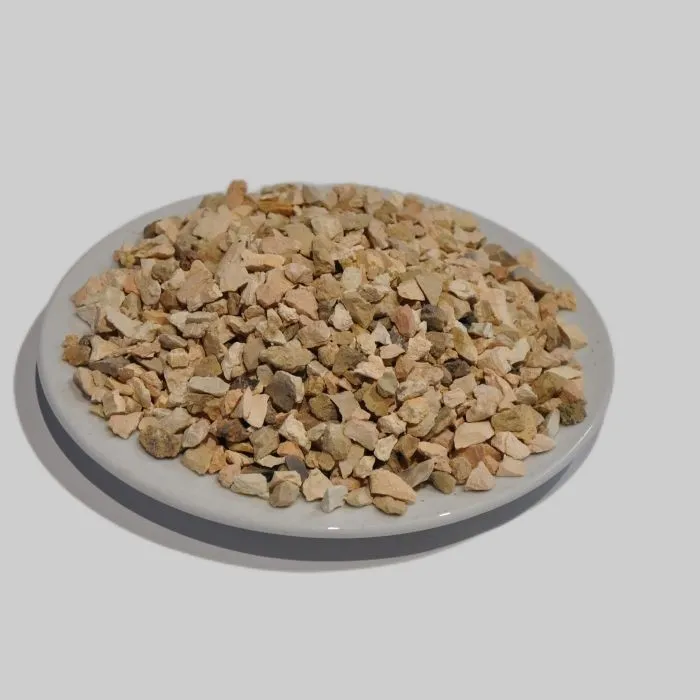
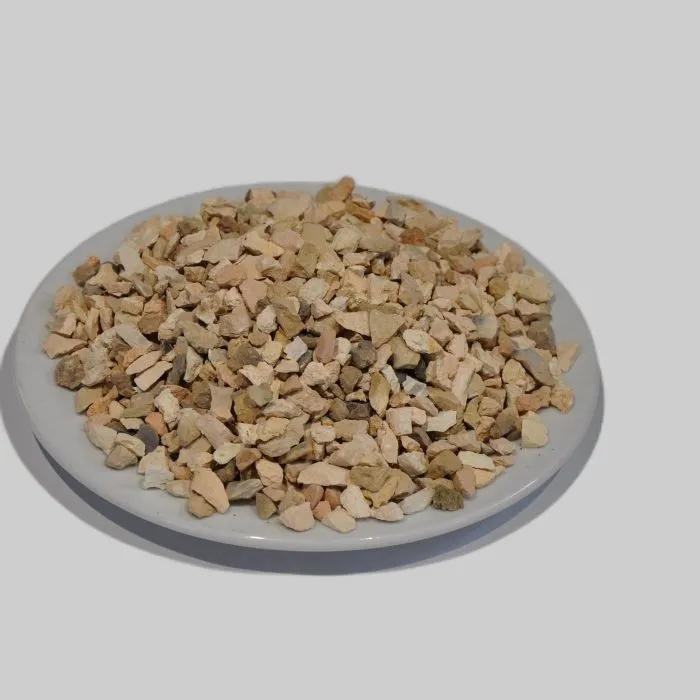
Calcined bauxite is a polycrystalline material composed mainly of corundum (Al₂O₃) and other minor phases. The thermal expansion coefficient of calcined bauxite depends on several factors, including its chemical composition, mineralogical structure, and the degree of calcination. Generally, the linear thermal expansion coefficient of calcined bauxite ranges from about 6.5 × 10⁻⁶ /°C to 8.5 × 10⁻⁶ /°C in the temperature range of 20 - 1000°C.
The high alumina content in calcined bauxite, especially in High Purity Calcined Bauxite, contributes to its relatively low thermal expansion coefficient compared to some other materials. Corundum, the main mineral phase in calcined bauxite, has a well - defined crystal structure that provides stability at high temperatures, resulting in a more predictable thermal expansion behavior.
The degree of calcination also plays a crucial role. Rotary Kiln Bauxite and Rotary Kiln Calcined Bauxite are produced through a rotary kiln calcination process, which can achieve a more uniform calcination and better control of the mineralogical structure. This often leads to a more consistent thermal expansion coefficient within the product batch.
Why the Thermal Expansion Coefficient Matters
The thermal expansion coefficient of calcined bauxite is an important property in many applications. Here are some key areas where it has a significant impact:
Refractory Applications
Calcined bauxite is widely used in the production of refractory materials, such as refractory bricks, castables, and monolithic refractories. In high - temperature environments, such as in steelmaking furnaces, cement kilns, and glass furnaces, the refractory materials are exposed to rapid temperature changes. A low and predictable thermal expansion coefficient is essential to prevent cracking and spalling of the refractory lining. If the thermal expansion coefficient is too high or inconsistent, the refractory material may expand or contract unevenly, leading to internal stresses that can cause structural failure.
Abrasive Applications
In abrasive products, such as grinding wheels and sandpapers, the thermal expansion coefficient affects the performance and durability of the abrasive. When the abrasive is in contact with the workpiece during grinding, friction generates heat. A material with a suitable thermal expansion coefficient can maintain its shape and integrity under these high - temperature conditions, ensuring a consistent grinding performance and a longer service life.
Ceramic Applications
Calcined bauxite is also used in the ceramic industry to improve the mechanical and thermal properties of ceramic products. In ceramic tiles, for example, a low thermal expansion coefficient helps to prevent cracking and warping during firing and subsequent use. This is particularly important for large - format tiles, where even a small amount of expansion or contraction can lead to significant aesthetic and functional problems.
Measuring the Thermal Expansion Coefficient of Calcined Bauxite
There are several methods to measure the thermal expansion coefficient of calcined bauxite. One of the most common methods is dilatometry. In this method, a sample of calcined bauxite is heated at a controlled rate, and the change in length is measured using a dilatometer. The linear thermal expansion coefficient can then be calculated from the measured data using the formula mentioned earlier.
Another method is the pycnometric method, which is used to measure the volumetric thermal expansion coefficient. In this method, the volume of the sample is measured at different temperatures using a pycnometer, and the volumetric thermal expansion coefficient is calculated based on the volume changes.
Controlling the Thermal Expansion Coefficient
As a supplier of calcined bauxite, we have developed various techniques to control the thermal expansion coefficient of our products. One approach is to carefully select the raw bauxite ore with the appropriate chemical composition and mineralogical structure. By using high - quality bauxite ore, we can ensure a more consistent starting material for the calcination process.
The calcination process is also critical. We use advanced rotary kiln technology to achieve precise control of the calcination temperature and time. This allows us to optimize the mineralogical transformation of the bauxite and produce calcined bauxite with a more uniform and desirable thermal expansion coefficient.
Conclusion
The thermal expansion coefficient of calcined bauxite is an important property that affects its performance in a wide range of applications. As a supplier, we understand the significance of this property and are committed to providing high - quality calcined bauxite products with a low and predictable thermal expansion coefficient. Whether you are in the refractory, abrasive, or ceramic industry, our High Purity Calcined Bauxite, Rotary Kiln Bauxite, and Rotary Kiln Calcined Bauxite can meet your specific requirements.
If you are interested in learning more about our calcined bauxite products or have any questions regarding the thermal expansion coefficient, please feel free to contact us for a detailed discussion. We are here to help you find the best solution for your business needs.
References
- "Refractories Handbook" by Peter E. Opila
- "Ceramics: Science and Technology" by J. Reed
- Research papers on the thermal properties of bauxite - based materials published in international journals such as "Journal of the American Ceramic Society"