

Hey there! As a supplier of refractory nozzles, I've been getting a lot of questions lately about the mechanism of thermal shock in these crucial components. So, I thought I'd take a deep dive into this topic and share some insights with you all.
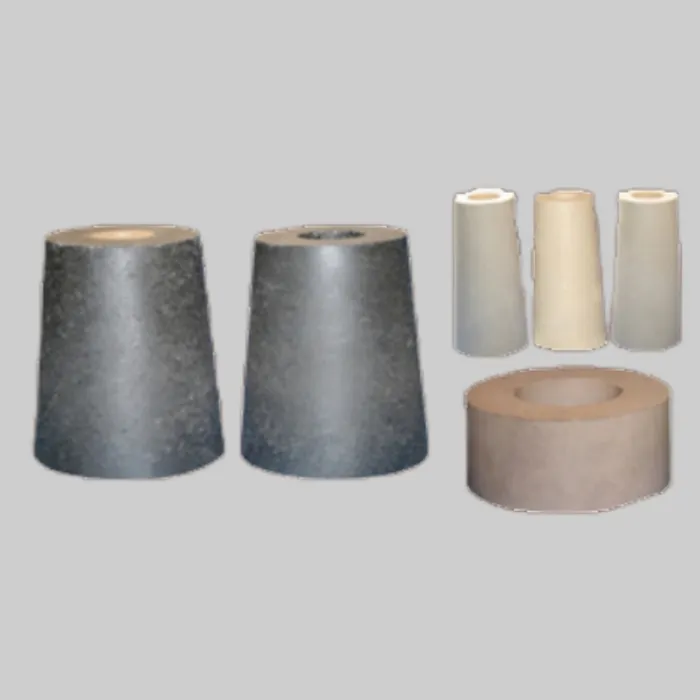
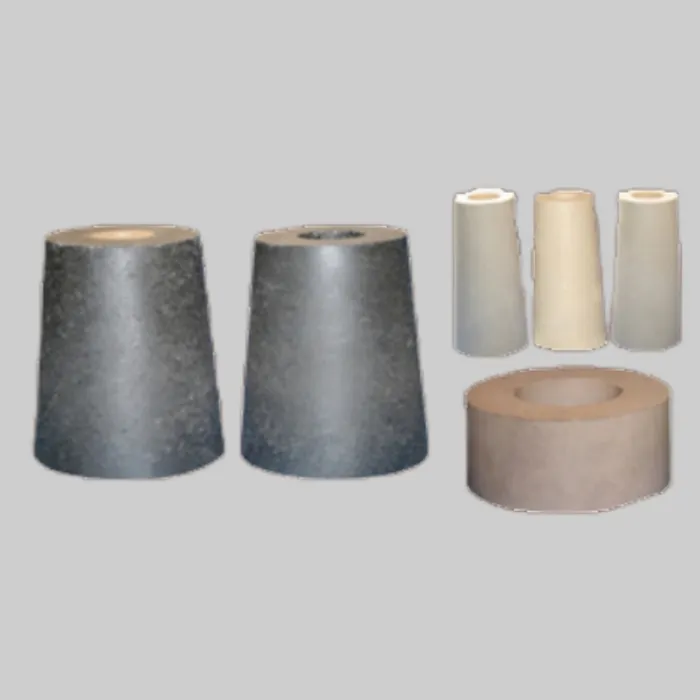
First off, let's talk about what refractory nozzles are. These are specialized nozzles made from refractory materials, which are designed to withstand extremely high temperatures. They're used in a variety of industrial processes, especially in the steel and metallurgy industries. For example, Zirconia Nozzle is a type of refractory nozzle known for its high melting point and excellent chemical stability. Another common type is the Tundish Nozzle, which is used in continuous casting processes to control the flow of molten metal. And then there's the Refractory Ladle Nozzle, which is used in ladles to transfer molten metal from one place to another.
Now, let's get into the nitty - gritty of thermal shock. Thermal shock occurs when a material is subjected to a rapid change in temperature. In the case of refractory nozzles, this can happen when they come into contact with molten metal, which can have temperatures upwards of 1500°C or more. When the nozzle is suddenly exposed to such high temperatures, different parts of the nozzle heat up at different rates.
The outer surface of the nozzle heats up much faster than the inner core. This creates a temperature gradient within the nozzle. As a result, the outer layer expands while the inner layer remains relatively cool and doesn't expand as much. This difference in expansion causes internal stresses within the material. If these stresses exceed the strength of the refractory material, cracks will start to form.
There are a few factors that can influence the severity of thermal shock in refractory nozzles. One of the main factors is the thermal conductivity of the material. Materials with high thermal conductivity can transfer heat more quickly, which means that the temperature gradient within the nozzle will be smaller. For example, some advanced refractory materials are engineered to have high thermal conductivity to reduce the risk of thermal shock.
Another factor is the coefficient of thermal expansion (CTE) of the material. The CTE measures how much a material expands or contracts when its temperature changes. Materials with a low CTE are less likely to experience large differences in expansion between the outer and inner layers, and thus are more resistant to thermal shock.
The design of the nozzle also plays a role. Nozzles with complex shapes or thick walls may be more prone to thermal shock because they can have more significant temperature gradients. A well - designed nozzle should have a shape that allows for uniform heat distribution and minimizes the formation of stress concentrations.
The way the nozzle is installed and used can also affect thermal shock. If the nozzle is pre - heated properly before coming into contact with molten metal, the temperature change will be less sudden, reducing the risk of thermal shock. Additionally, the rate at which the molten metal is introduced into the nozzle can make a difference. A slow and controlled introduction of molten metal can help the nozzle adjust to the temperature change more gradually.
So, what are the consequences of thermal shock in refractory nozzles? Well, the most obvious consequence is the formation of cracks. These cracks can compromise the structural integrity of the nozzle. Once cracks appear, molten metal can seep into them, which can further damage the nozzle and potentially lead to a catastrophic failure. A failed nozzle can cause production delays, safety hazards, and increased costs due to the need for replacement.
To mitigate thermal shock, we, as refractory nozzle suppliers, take several steps. We carefully select the materials for our nozzles. We use materials with low CTE and high thermal conductivity whenever possible. We also invest in advanced manufacturing techniques to ensure that the nozzles have a uniform structure and are free from defects that could act as stress concentrators.
In addition, we provide detailed installation and usage instructions to our customers. We recommend pre - heating the nozzles to a suitable temperature before use and controlling the flow rate of the molten metal. We also offer after - sales support to help customers troubleshoot any issues related to thermal shock or other problems with the nozzles.
If you're in the market for high - quality refractory nozzles that are designed to withstand thermal shock, we're here to help. Our team of experts has years of experience in the industry and can provide you with the best solutions for your specific needs. Whether you need a Zirconia Nozzle, a Tundish Nozzle, or a Refractory Ladle Nozzle, we've got you covered.
Don't hesitate to reach out to us to discuss your requirements and start a procurement negotiation. We're committed to providing you with the best products at competitive prices and excellent customer service.
References
- "Refractory Materials: Properties and Applications" by John Smith
- "Thermal Shock in Industrial Components" by Emily Brown
- Industry reports on refractory nozzle manufacturing and usage