

Product description
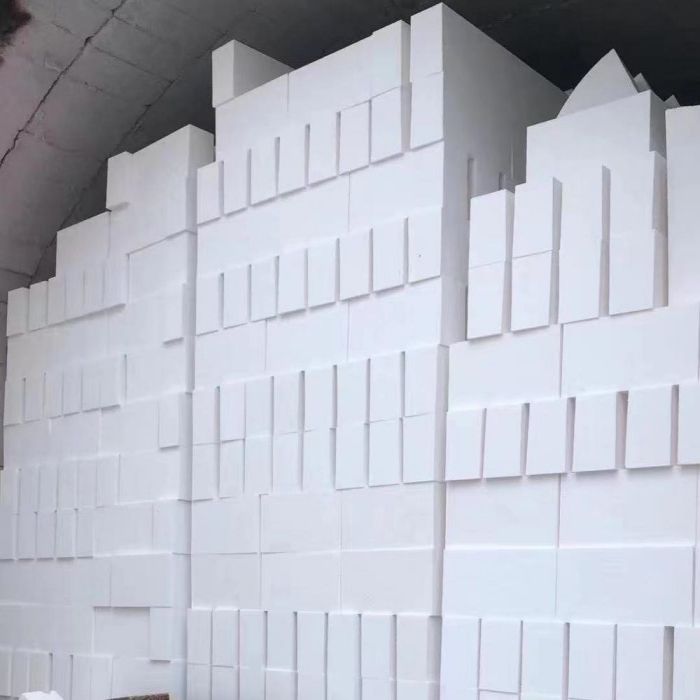
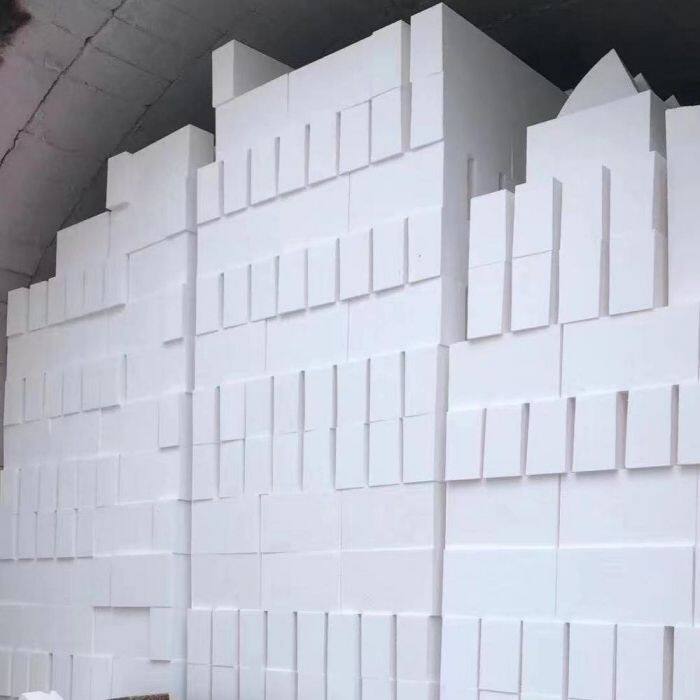
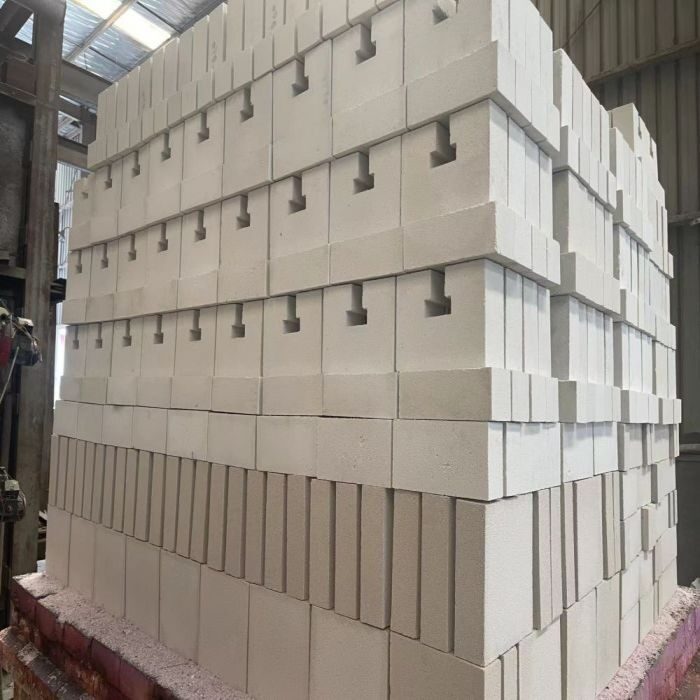
Alumina bubble insulation brick is made of alumina hollow ball and alumina powder as the main raw material, combined with other binder, after 1750 degrees high temperature firing. Belongs to a kind of super high temperature material energy-saving heat preservation material.
Application of soft insulating fire brick
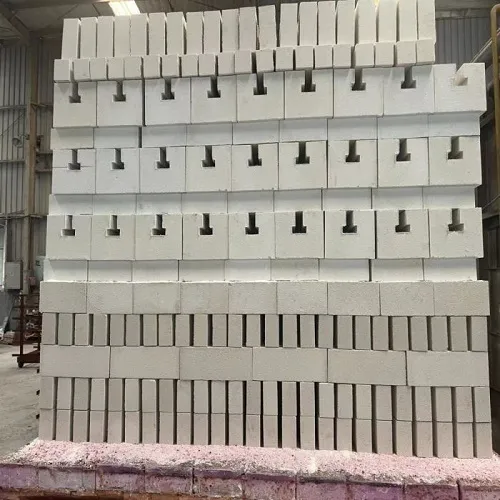
◆ Used as insulation bricks or working layer in ultra-high temperature furnace with 1800 ℃
◆ Used as working lining of tunnel kiln, push plate kiln, shuttle kiln, crucible furnace, and a variety of electric furnace lining
◆ Applied for metallurgy, light industry, chemical industry, ceramics, glass, electronics and other industries.
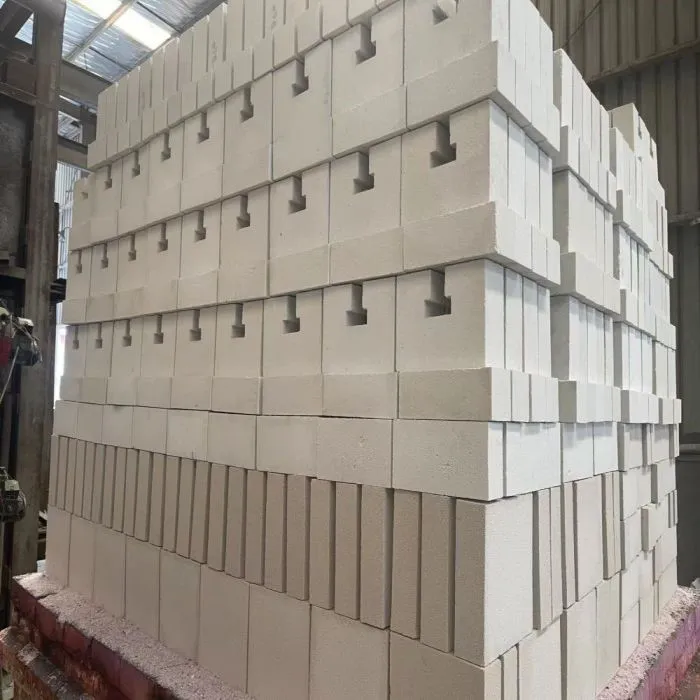
Advantages of CH Refractories manufactured soft insulating fire brick
◆ Thermal insulation
Due to the low thermal conductivity of mullite insulation bricks, it has a good thermal insulation effect and can make the thickness of the furnace wall thinner.
◆ Low thermal conductivity
Low heat melt and low thermal conductivity make the lightweight brick series products accumulate very little heat energy, and the energy saving effect is obvious in intermittent operation kilns.
◆ High purity
Low impurity content has very low oxide content such as alkali metals in the iron box, so it has high refractoriness and high aluminum content;
◆ Extend lining service life
The precise appearance dimensions can speed up the masonry construction, reduce the use of refractory mud, and ensure the strength and stability of the masonry;
◆ Customized on demand
bricks are easy to process and can be processed into special shapes according to customer needs, thereby reducing the number of bricks and joints.
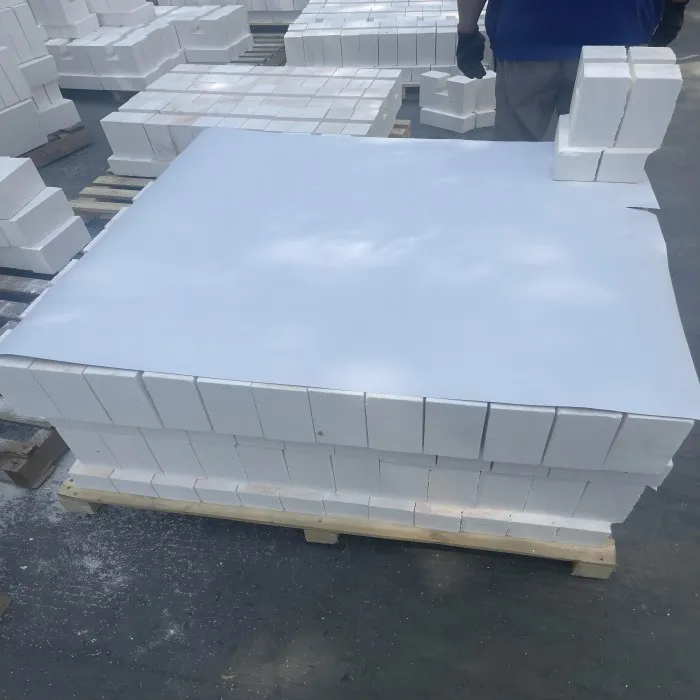
Physical and chemical index of soft insulating fire brick
|
Item |
Utra purity bubble alumina brick |
Bubble alumina brick |
||
|
CHSAH99 |
CHAH99 |
CHAH90 |
CHAH85 |
|
|
Max service temperature, °C |
1800 |
1800 |
1800 |
1750 |
|
Al2O3, % |
≥99.3 |
≥99 |
≥90 |
≥85 |
|
SiO2, % |
≤0.15 |
≤0.3 |
≤9 |
≤14 |
|
Fe2O3, % |
≤0.1 |
≤0.2 |
≤0.2 |
≤0.2 |
|
Bulk density, g/cm3 |
1.5-1.8 |
1.5-1.8 |
1.4-1.9 |
1.4-1.9 |
|
Cold crushing strength, Mpa |
≥12 |
≥15 |
≥18 |
≥18 |
|
Initial softening temperature under load, °C |
≥1700 |
≥1700 |
≥1700 |
≥1700 |
|
Permanent linear change, % |
-0.25 |
-0.25 |
-0.2 |
-0.3 |
|
Coefficient of heating expansion, at 1300°C |
8.6 |
8.6 |
8 |
7.8 |
|
Thermal conductivity, w/(m·k) |
0.75 |
0.75 |
0.6 |
0.55 |
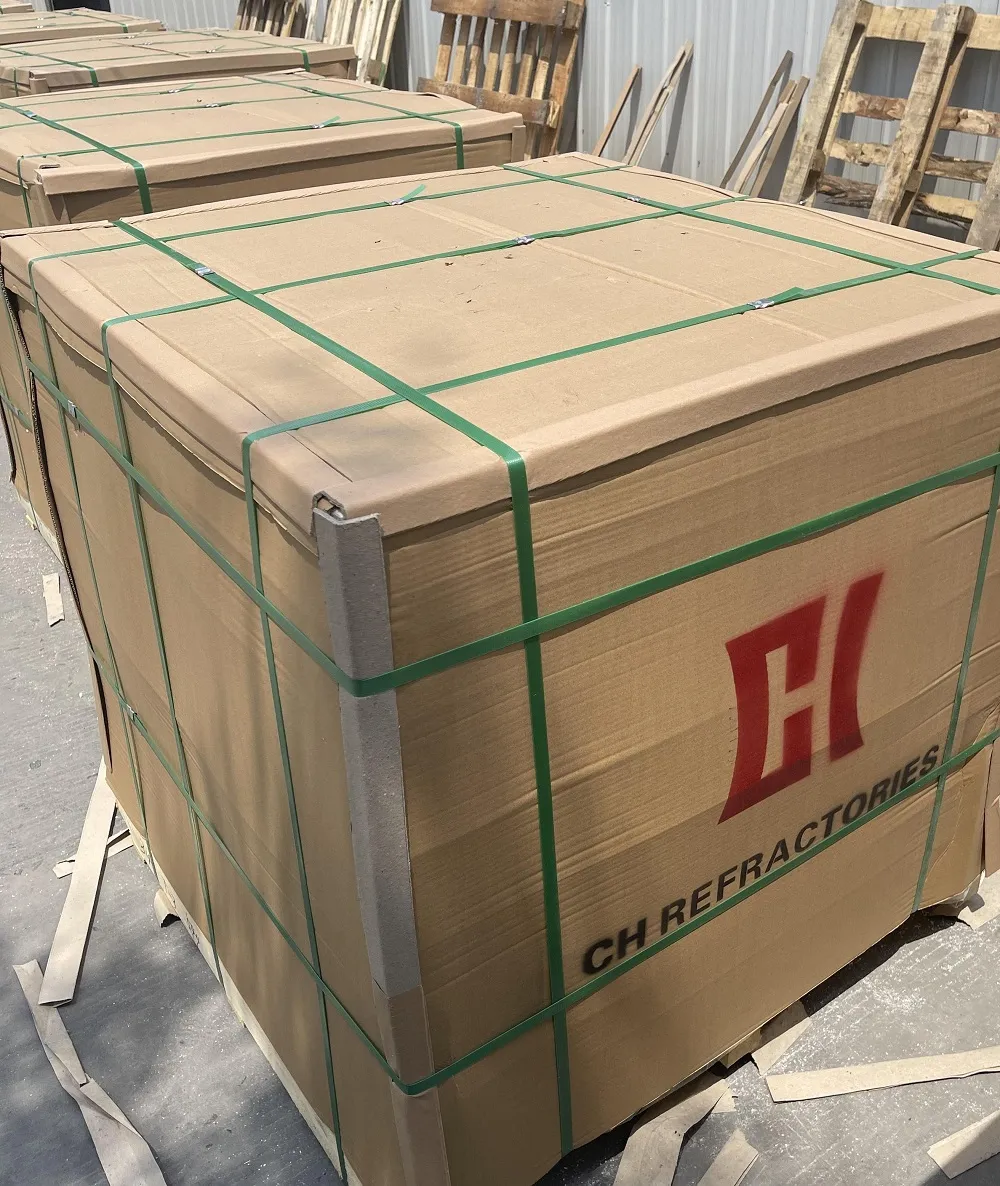
Packages and delivery:
Factory introduction
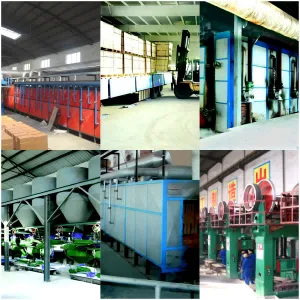
Zhengzhou Caihua Kiln Masonry Installation Co., Ltd, be called for short of CH Refractories was founded in 1984, have advanced process equipment and raw material preparation system.
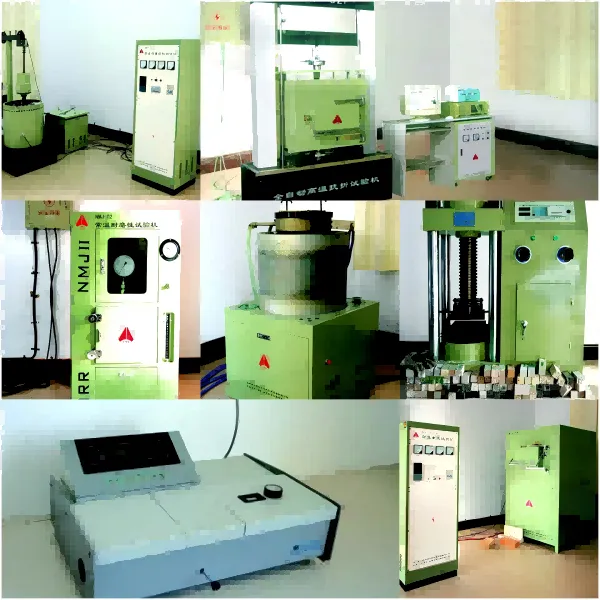
A full set of refractories conventional testing equipment, can ensure the quality before sending to customers. Annual production of a variety of shaped and unshaped refractory materials 120,000 tons.
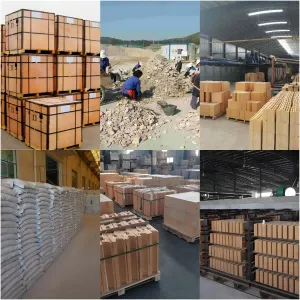
CH Refractories mainly produce refractory materials for metallurgical, coking, cement industry, electric power industry, chemical and general industrial furnaces. The refractory products exported to Middle east, South America, Middle Asia, Southeast Asia, Africa and other regions.
FAQ
Q: What is Foreign Trade-Express?
Q: How can I get price at soonest?
Q: Can I get sample for testing?
Q: What is MOQ of your product?
Q: How can you guarantee your products quality
Q: Which countries you mainly exporting to?
Q: How long is the production time?
Q: What payment term you can accept?
Q: Can you do OEM? Or customized packages?
Q: Can I visit your factory?
Physical and chemical index of soft insulating fire brick
|
Item |
Utra purity bubble alumina brick |
Bubble alumina brick |
||
|
CHSAH99 |
CHAH99 |
CHAH90 |
CHAH85 |
|
|
Max service temperature, °C |
1800 |
1800 |
1800 |
1750 |
|
Al2O3, % |
≥99.3 |
≥99 |
≥90 |
≥85 |
|
SiO2, % |
≤0.15 |
≤0.3 |
≤9 |
≤14 |
|
Fe2O3, % |
≤0.1 |
≤0.2 |
≤0.2 |
≤0.2 |
|
Bulk density, g/cm3 |
1.5-1.8 |
1.5-1.8 |
1.4-1.9 |
1.4-1.9 |
|
Cold crushing strength, Mpa |
≥12 |
≥15 |
≥18 |
≥18 |
|
Initial softening temperature under load, °C |
≥1700 |
≥1700 |
≥1700 |
≥1700 |
|
Permanent linear change, % |
-0.25 |
-0.25 |
-0.2 |
-0.3 |
|
Coefficient of heating expansion, at 1300°C |
8.6 |
8.6 |
8 |
7.8 |
|
Thermal conductivity, w/(m·k) |
0.75 |
0.75 |
0.6 |
0.55 |


