

Can refractory cement be used for a magnesium smelter?
As a refractory cement supplier, I often encounter inquiries regarding the suitability of our products for various industrial applications. One question that frequently arises is whether refractory cement can be used in a magnesium smelter. In this blog post, I will delve into the properties of refractory cement, the requirements of a magnesium smelting environment, and analyze the feasibility of using refractory cement in this context.
Understanding Refractory Cement
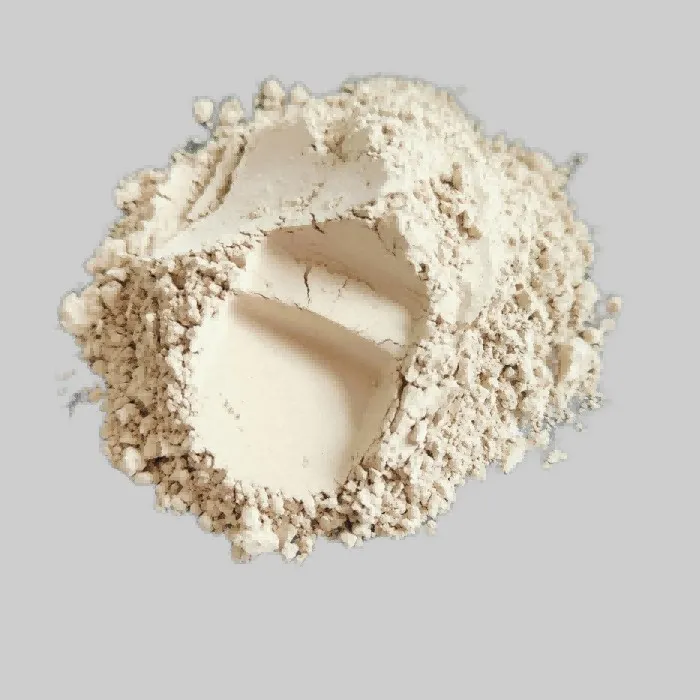
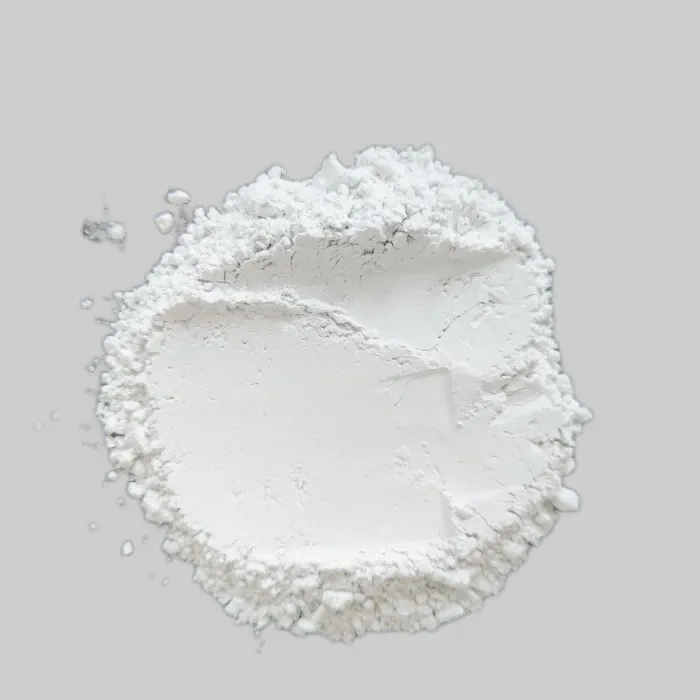
Refractory cement is a specialized type of cement designed to withstand high temperatures without significant deformation or loss of strength. It is commonly used in applications where normal cement would fail due to extreme heat, such as in furnaces, kilns, and incinerators. There are different types of refractory cements available, each with its own unique properties and composition.
One type of refractory cement is High Heat Refractory Cement. This cement is formulated to resist very high temperatures, often exceeding 1500°C. It is typically made from high - alumina materials and other refractory aggregates, which give it excellent thermal stability. Another type is Alumina Refractory Cement, which contains a high percentage of alumina. Alumina has high melting point and good chemical resistance, making this type of cement suitable for applications where both high heat and chemical attack are concerns. We also offer Refractory Cement 25kg, which is convenient for small - scale projects or for customers who need a specific quantity.
The Magnesium Smelting Process
Magnesium smelting is a complex industrial process that involves the extraction of magnesium from its ores. There are two main methods of magnesium production: the electrolytic process and the thermal reduction process.
In the electrolytic process, magnesium chloride is electrolyzed to produce magnesium metal. This process takes place in an electrolytic cell at relatively high temperatures, usually around 700 - 800°C. The cell is lined with materials that can withstand the corrosive nature of the molten salts and the high temperatures.
The thermal reduction process, on the other hand, involves the reduction of magnesium oxide with a reducing agent such as ferrosilicon at temperatures above 1200°C. This process is carried out in a retort or a furnace, where the reaction takes place under vacuum or inert gas conditions.
Requirements for Materials in a Magnesium Smelter
The materials used in a magnesium smelter must meet several stringent requirements. Firstly, they must be able to withstand the high temperatures generated during the smelting process. In the thermal reduction process, for example, temperatures can reach up to 1500°C, which requires materials with high melting points and excellent thermal stability.
Secondly, the materials must be resistant to chemical attack. Magnesium and its compounds are highly reactive, and they can react with many materials at high temperatures. The molten salts used in the electrolytic process are also corrosive, so the lining materials must be able to resist corrosion.
Thirdly, the materials should have good mechanical strength and thermal shock resistance. The smelting process often involves rapid heating and cooling cycles, which can cause thermal stress in the materials. Materials with poor thermal shock resistance may crack or spall, leading to premature failure.
Feasibility of Using Refractory Cement in a Magnesium Smelter
The feasibility of using refractory cement in a magnesium smelter depends on several factors.
Temperature Resistance
As mentioned earlier, refractory cements, especially high - heat refractory cements, can withstand very high temperatures. For the thermal reduction process, where temperatures can exceed 1200°C, high - heat refractory cements can potentially be used. However, it is important to ensure that the specific cement has a melting point and thermal stability that can meet the requirements of the process.
Chemical Resistance
The chemical resistance of refractory cement is also a crucial factor. Magnesium and its compounds can react with certain components of the cement at high temperatures. Alumina refractory cement, with its high alumina content, may have better chemical resistance compared to other types of refractory cements. However, further testing is required to determine its long - term performance in a magnesium smelting environment.
Thermal Shock Resistance
Refractory cements generally have good thermal shock resistance, but this can vary depending on the formulation and the manufacturing process. In a magnesium smelter, where rapid heating and cooling cycles are common, the thermal shock resistance of the refractory cement needs to be carefully evaluated.
Case Studies and Testing
In some cases, refractory cement has been used in non - critical areas of magnesium smelters, such as in the lining of auxiliary equipment or in areas with lower temperatures. However, for the main reaction vessels or the areas directly exposed to the molten magnesium or its compounds, more research and testing are needed.
We have conducted some preliminary tests on our refractory cements in simulated magnesium smelting environments. These tests have shown that our high - alumina refractory cements have relatively good resistance to chemical attack and thermal shock. However, long - term field tests are still required to fully assess their performance in an actual magnesium smelter.
Conclusion
In conclusion, while refractory cement has the potential to be used in a magnesium smelter, its suitability depends on various factors such as temperature, chemical environment, and thermal shock. High - heat and alumina refractory cements show promise in terms of temperature and chemical resistance, but further research and testing are necessary.
If you are involved in the magnesium smelting industry and are considering using refractory cement in your operations, we encourage you to contact us for more information. Our team of experts can provide you with detailed technical specifications, conduct customized tests, and offer solutions tailored to your specific needs. We are committed to providing high - quality refractory cement products and excellent customer service. Whether you need High Heat Refractory Cement, Alumina Refractory Cement, or Refractory Cement 25kg, we are here to assist you. Let's start a discussion on how our refractory cement can meet your requirements in the magnesium smelting process.
References
- "Handbook of Refractory Materials" - A comprehensive guide on the properties and applications of refractory materials.
- "Magnesium: Technology, Applications, and Markets" - A book that provides in - depth information on the magnesium smelting process and related technologies.