
Hey there! As a supplier of zirconia nozzles, I often get asked how these little wonders handle abrasive materials. Well, let me tell you, it's a pretty fascinating topic. So, let's dive right in and explore the ins and outs of how zirconia nozzles deal with those tough, abrasive substances.
What Makes Zirconia Nozzles Special?
First off, let's talk about what zirconia is. Zirconia, or zirconium dioxide (ZrO₂), is a ceramic material that's known for its exceptional hardness and strength. It's got a high melting point, which means it can withstand some seriously high temperatures without losing its shape or integrity. This makes it a great choice for applications where you're dealing with abrasive materials that might otherwise wear down other types of nozzles pretty quickly.
One of the key properties of zirconia is its toughness. It's able to resist cracking and chipping, even when it's subjected to high levels of stress or impact. This is really important when you're working with abrasive materials, because they can cause a lot of wear and tear on the nozzle surface. If the nozzle were to crack or chip, it could lead to a disruption in the flow of the material, which could be a real problem in many industrial processes.
Another great thing about zirconia is its chemical stability. It's resistant to corrosion and oxidation, which means it can hold up well in harsh environments. This is especially important when you're dealing with abrasive materials that might contain chemicals or other substances that could react with the nozzle material and cause damage.
How Do Zirconia Nozzles Handle Abrasive Materials?
So, now that we know what makes zirconia nozzles special, let's talk about how they actually handle abrasive materials. When abrasive materials pass through a zirconia nozzle, the nozzle's hard surface provides a barrier that helps to protect it from wear. The high hardness of the zirconia means that it can resist the scratching and abrasion caused by the abrasive particles, which helps to extend the nozzle's lifespan.
In addition to its hardness, the smooth surface of the zirconia nozzle also plays a role in its ability to handle abrasive materials. A smooth surface helps to reduce friction between the nozzle and the abrasive particles, which can help to prevent the particles from getting stuck or causing blockages. This allows the abrasive material to flow smoothly through the nozzle, which is important for maintaining a consistent and efficient process.
Another factor that affects how a zirconia nozzle handles abrasive materials is its design. Nozzles can be designed in different shapes and sizes to optimize their performance for specific applications. For example, a nozzle with a smaller diameter might be more suitable for applications where you need a high-pressure stream of abrasive material, while a nozzle with a larger diameter might be better for applications where you need a wider spray pattern.
Applications of Zirconia Nozzles in Handling Abrasive Materials
Zirconia nozzles are used in a wide range of industries where abrasive materials are involved. One of the most common applications is in sandblasting, where zirconia nozzles are used to direct a stream of abrasive particles at a surface to clean, etch, or prepare it for coating. The high hardness and wear resistance of the zirconia nozzles make them ideal for this application, as they can withstand the constant impact of the abrasive particles without wearing out quickly.
Another application is in the mining industry, where zirconia nozzles are used in slurry pumping systems. Slurries are mixtures of solid particles and liquid, and they can be very abrasive. The zirconia nozzles in these systems help to ensure that the slurry flows smoothly through the pipes and pumps, while also protecting the equipment from wear and damage.
Zirconia nozzles are also used in the chemical industry, where they are used to handle corrosive and abrasive chemicals. The chemical stability of the zirconia makes it resistant to the effects of these chemicals, which helps to prevent the nozzle from deteriorating over time.
Comparing Zirconia Nozzles with Other Types of Nozzles
When it comes to handling abrasive materials, zirconia nozzles have some distinct advantages over other types of nozzles. For example, compared to metal nozzles, zirconia nozzles are much more resistant to wear and corrosion. Metal nozzles can quickly wear down when exposed to abrasive materials, and they can also corrode when exposed to certain chemicals. Zirconia nozzles, on the other hand, can last much longer and require less maintenance.
Compared to plastic nozzles, zirconia nozzles are much stronger and more durable. Plastic nozzles can be easily damaged by abrasive materials, and they may not be able to withstand high temperatures or pressures. Zirconia nozzles, on the other hand, can handle these conditions with ease.
Maintenance and Care of Zirconia Nozzles
To ensure that your zirconia nozzles continue to perform well when handling abrasive materials, it's important to take proper care of them. One of the most important things you can do is to clean the nozzles regularly. This will help to remove any abrasive particles or other debris that may have accumulated inside the nozzle, which can help to prevent blockages and ensure a smooth flow of the material.
You should also inspect the nozzles regularly for signs of wear or damage. If you notice any cracks, chips, or other signs of damage, it's important to replace the nozzle as soon as possible to prevent further problems.
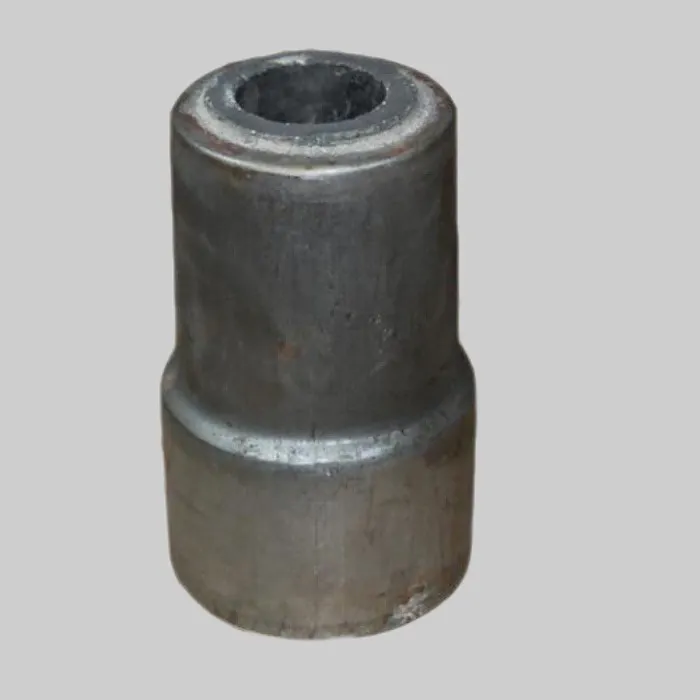
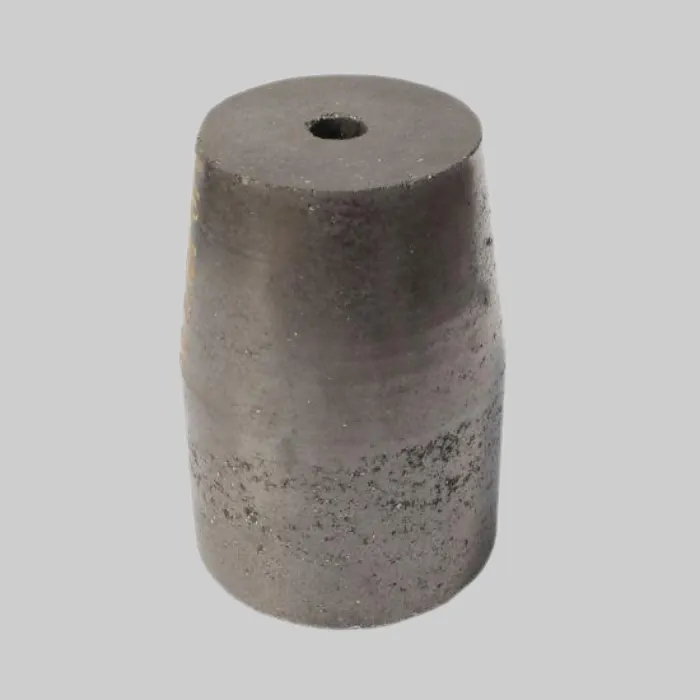
Finally, it's important to store your zirconia nozzles properly when they're not in use. This will help to protect them from damage and ensure that they're ready to use when you need them.
Conclusion
In conclusion, zirconia nozzles are an excellent choice for handling abrasive materials. Their high hardness, toughness, chemical stability, and smooth surface make them well-suited for a wide range of applications where abrasive materials are involved. Whether you're in the sandblasting, mining, or chemical industry, zirconia nozzles can help you to improve the efficiency and reliability of your processes.
If you're interested in learning more about our Zirconia Nozzle or other products like Refractory Ladle Nozzle and Tundish Nozzle, or if you have any questions about how they can handle abrasive materials, don't hesitate to reach out. We're here to help you find the best solutions for your specific needs. Let's start a conversation and explore how our products can make a difference in your operations.
References
- "Ceramics for High-Temperature Applications." CRC Press.
- "Handbook of Abrasive Technology." Industrial Press Inc.
- "Materials Science and Engineering: An Introduction." John Wiley & Sons.