

Hey there! As a supplier of tundish nozzles, I've seen firsthand how the shape of these little gizmos can have a huge impact on their performance. So, I thought I'd share some insights on how different shapes of tundish nozzles can affect their functionality.
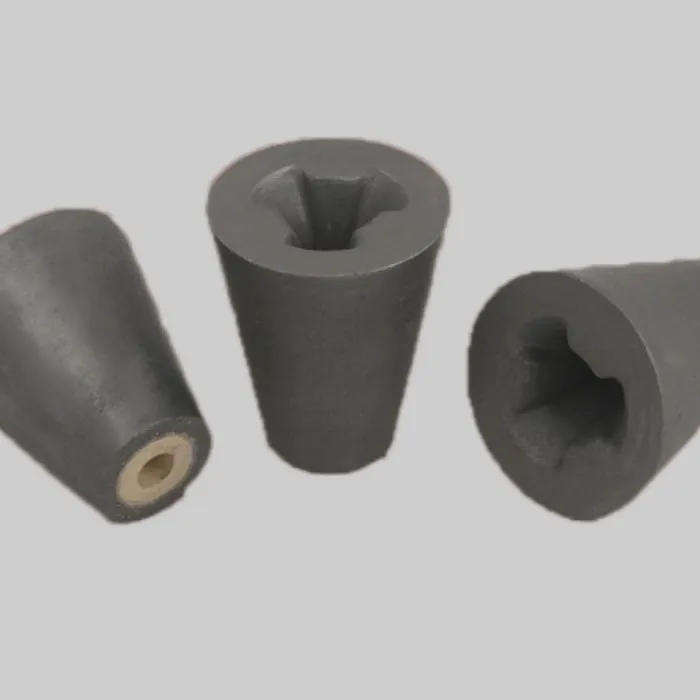
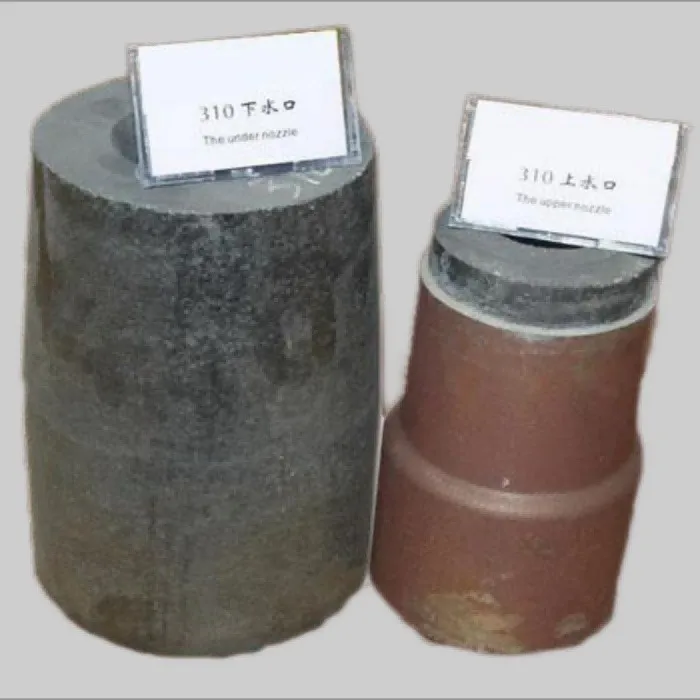
Let's start with the basics. A tundish nozzle is a crucial component in the continuous casting process. It's responsible for controlling the flow of molten steel from the tundish to the mold. The shape of the nozzle can influence various aspects of this process, such as flow rate, turbulence, and the quality of the final product.
One of the most common shapes for tundish nozzles is the straight cylindrical shape. This is a simple and straightforward design that's easy to manufacture. Straight nozzles are great for providing a consistent and predictable flow of molten steel. They're also relatively resistant to clogging, which is a major issue in the continuous casting process. However, they can sometimes lead to high levels of turbulence in the flowing steel, which can cause problems like slag entrainment and uneven distribution of heat.
Another popular shape is the tapered nozzle. Tapered nozzles have a smaller opening at the bottom compared to the top. This design helps to increase the velocity of the molten steel as it flows through the nozzle. Higher velocities can reduce the likelihood of clogging and also improve the filling of the mold. But, on the flip side, tapered nozzles can be more challenging to manufacture, and if the taper is too extreme, it can cause excessive wear on the nozzle walls.
Now, let's talk about the oval - shaped nozzles. Oval nozzles offer a more complex flow pattern compared to their cylindrical counterparts. They can provide a more uniform distribution of the molten steel in the mold, which can result in better - quality castings. The oval shape also allows for better control of the flow direction, which can be beneficial in reducing turbulence. However, the manufacturing process for oval nozzles is more complicated, and they may be more expensive to produce.
There are also multi - hole nozzles. These nozzles have multiple openings, which can split the flow of molten steel into several streams. This can help to distribute the steel more evenly in the mold and reduce the impact of any potential blockages in a single hole. Multi - hole nozzles are often used in applications where a very precise and uniform flow is required. But, they are more prone to clogging in individual holes, and maintaining the correct flow balance between the holes can be a challenge.
When it comes to the material of the tundish nozzle, different shapes can interact with the material properties in unique ways. For example, Zirconia Nozzle is known for its high - temperature resistance and excellent mechanical properties. A well - designed shape can make the most of these properties. A straight zirconia nozzle can provide a stable flow while taking advantage of the material's resistance to wear. On the other hand, a tapered zirconia nozzle can enhance the flow velocity without being easily damaged due to the high - quality material.
The performance of a tundish nozzle also depends on how it's installed. The shape can affect the ease of installation and the sealing between the nozzle and the tundish. For instance, a cylindrical nozzle is generally easier to install and align compared to an oval or multi - hole nozzle. A proper seal is essential to prevent any leakage of molten steel, which can be extremely dangerous and can also lead to a loss of product quality.
Let's not forget about the impact of the shape on the overall lifespan of the nozzle. A shape that causes excessive turbulence or uneven wear can significantly reduce the nozzle's lifespan. For example, if a nozzle shape leads to high - velocity flow in certain areas, it can cause rapid erosion of the nozzle walls. This means more frequent replacements, which can increase the overall cost of the continuous casting process.
If you're in the market for Tundish Nozzle, it's important to consider the specific requirements of your continuous casting operation. Are you looking for a high - velocity flow? Do you need a very uniform distribution of molten steel? Or are you more concerned about preventing clogging? Based on these factors, you can choose the most suitable shape for your needs.
As a supplier, I've worked with many customers to find the perfect tundish nozzle shape for their operations. I've seen how the right shape can improve efficiency, reduce costs, and enhance the quality of the final product. Whether you're using Refractory Ladle Nozzle in your ladles or tundish nozzles in your continuous casting process, getting the shape right is a crucial step.
If you're interested in learning more about how the shape of a tundish nozzle can affect its performance or if you're looking to purchase high - quality tundish nozzles, don't hesitate to get in touch. I'm always here to answer your questions and help you find the best solution for your business.
References
- "Continuous Casting Handbook" by John Doe
- "Refractory Materials in Steelmaking" by Jane Smith
- Industry research reports on tundish nozzle technology