

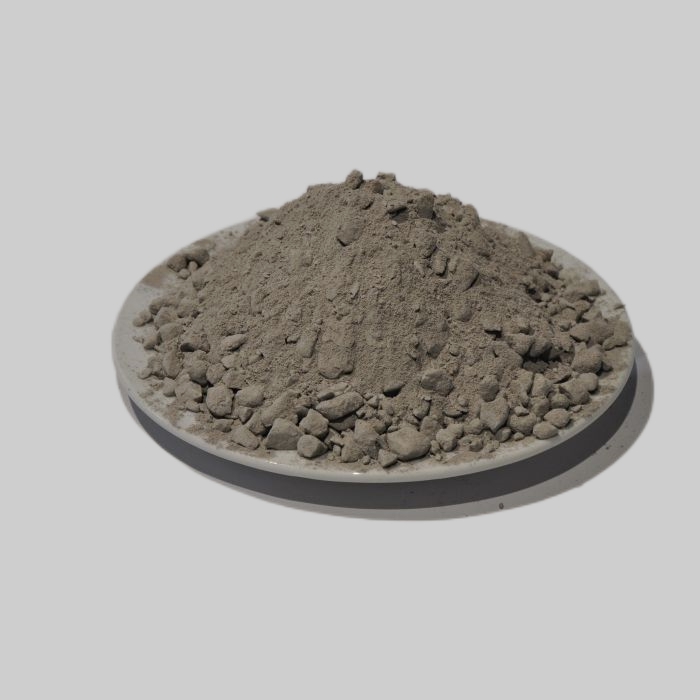
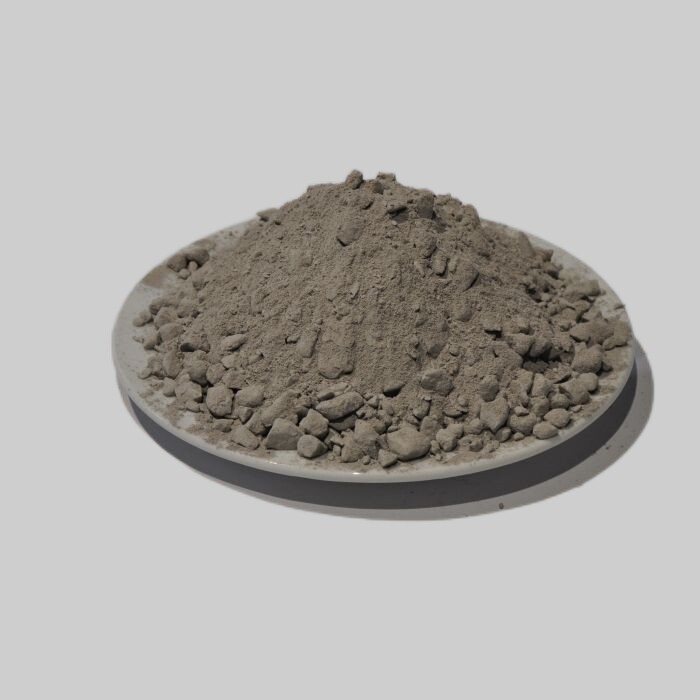
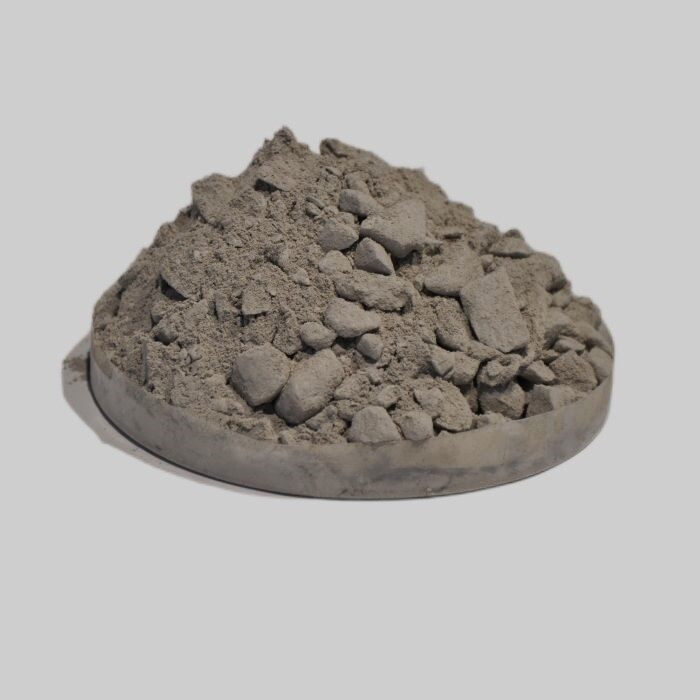
Product description
Refractory cement for foundry is a mixture composed of refractory aggregates, powders and binders. After adding water or other liquids, it is suitable for construction by pouring and vibration methods. It can also be made into prefabricated parts with specified shapes and sizes in advance for construction. Industrial furnace lining. In order to improve the physical and chemical properties and construction performance of refractory cement for foundry, appropriate amounts of additives are often added, such as plasticizers, dispersants, accelerators, retarders, expansion agents, degumming-gelling agents, etc.
Application of refractory cement for foundry :
Refractory cement for foundry are used in various heating furnaces, soaking furnaces, circulating fluidized bed boilers, waste incinerators, waste heat power generation boilers, hot blast furnaces, continuous casting tundish, hot metal tanks and tapping troughs, etc.
Physical and chemical index of refractory cement for foundry
|
Brands |
GL-85 |
GL-70 |
GL-60 |
NT-50 |
NT-42 |
|
Al2O3 , /% ≥ |
85 |
70 |
60 |
50 |
42 |
|
CaO /% ≤ |
- |
- |
- |
- |
- |
|
Refractoriness/ ℃ ≥ |
1780 |
1720 |
1700 |
1660 |
1640 |
|
Test temperature after burning is not more than ±1%(Insulation3h)/℃ |
1500 |
1450 |
1400 |
1400 |
1350 |
|
Compressive strength (after drying at 110±5°C)/Mpa ≥ |
35 |
35 |
30 |
30 |
25 |
|
Flexural strength (after drying at 110±5°C)/Mpa ≥ |
5 |
5 |
4 |
4 |
3.5 |
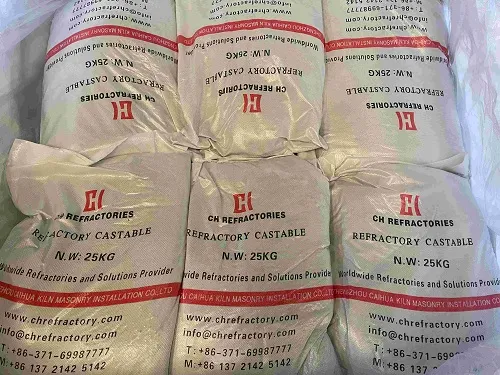
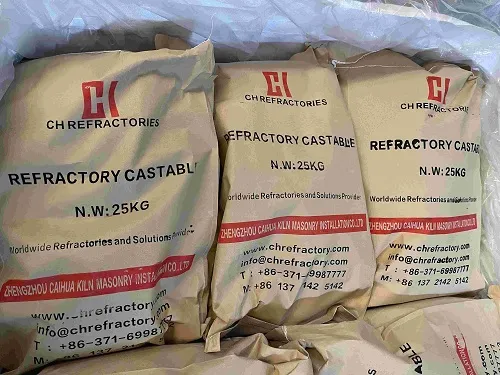
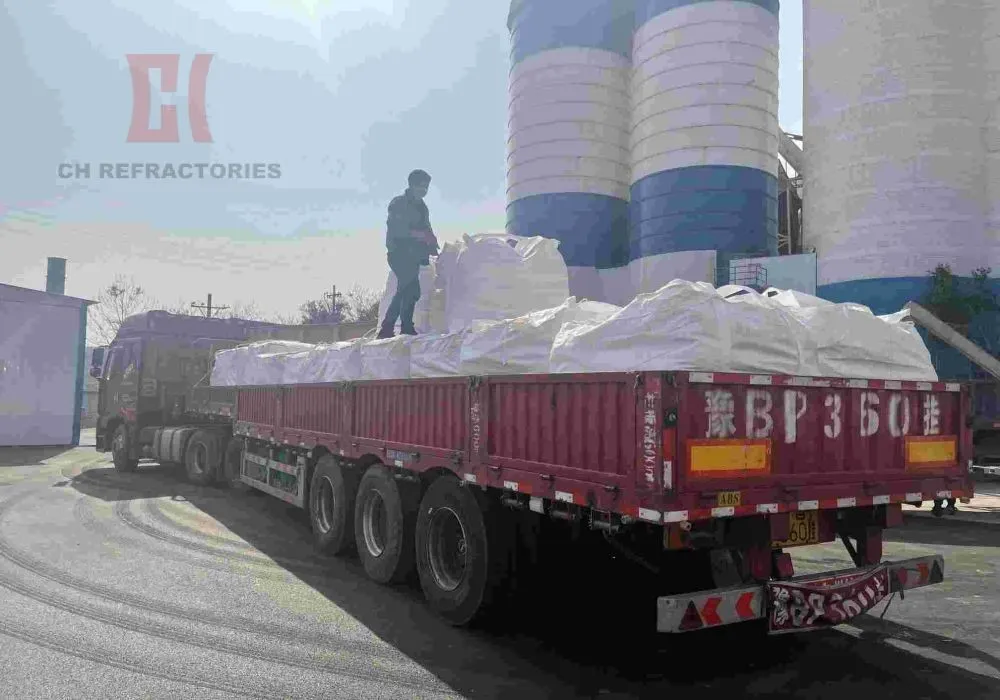
Packages
FAQ
Q: What is Foreign Trade-Express?
Q: How can I get price at soonest?
Q: Can I get sample for testing?
Q: What is MOQ of your product?
Q: How can you guarantee your products quality
Q: Which countries you mainly exporting to?
Q: How long is the production time?
Q: What payment term you can accept?
Q: Can you do OEM? Or customized packages?
Q: Can I visit your factory?
Physical and chemical index of refractory cement for foundry
|
Brands |
GL-85 |
GL-70 |
GL-60 |
NT-50 |
NT-42 |
|
Al2O3 , /% ≥ |
85 |
70 |
60 |
50 |
42 |
|
CaO /% ≤ |
- |
- |
- |
- |
- |
|
Refractoriness/ ℃ ≥ |
1780 |
1720 |
1700 |
1660 |
1640 |
|
Test temperature after burning is not more than ±1%(Insulation3h)/℃ |
1500 |
1450 |
1400 |
1400 |
1350 |
|
Compressive strength (after drying at 110±5°C)/Mpa ≥ |
35 |
35 |
30 |
30 |
25 |
|
Flexural strength (after drying at 110±5°C)/Mpa ≥ |
5 |
5 |
4 |
4 |
3.5 |


