

Hey there! As a supplier of refractory nozzles, I've been in the business long enough to know that while monolithic refractory nozzles have their perks, they also come with a fair share of disadvantages. Let's dive right into it.
1. Limited Customization
One of the biggest drawbacks of monolithic refractory nozzles is the limited scope for customization. Monolithic refractories are pre - made mixtures that are installed as a single unit. This means that once the nozzle is manufactured, it's pretty much set in its shape and design.
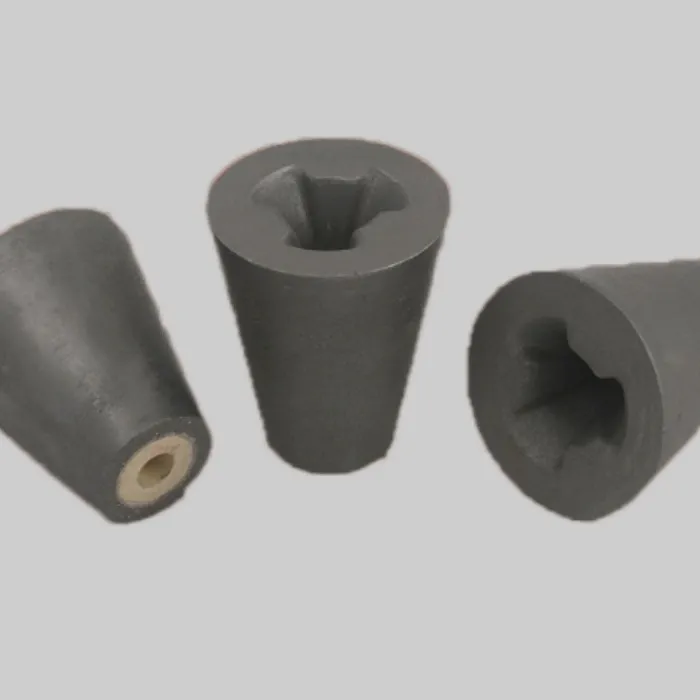
In industries where specific pouring requirements are needed, such as in foundries that produce complex - shaped metal parts, a customized nozzle can make a huge difference. But with monolithic nozzles, you're often stuck with the standard sizes and shapes available in the market. For example, if a client needs a Zirconium Sizing Nozzle with a unique inner diameter or a special taper for better metal flow control, it can be a real challenge to get it from a monolithic design.
2. Installation and Repair Challenges
Installing monolithic refractory nozzles is not a walk in the park. It requires a high level of skill and expertise. The mixture has to be carefully prepared, and the installation process needs to be carried out precisely to ensure a proper fit and performance. Any mistakes during installation can lead to premature failure of the nozzle.
Repairs are also a headache. When a monolithic nozzle gets damaged, it's not as simple as replacing a part. Since it's a single - piece structure, often the entire nozzle needs to be removed and reinstalled. This not only takes a lot of time but also adds to the overall cost. In contrast, other types of nozzles, like modular ones, can have individual components replaced, which is much quicker and more cost - effective.
3. Thermal Shock Resistance
Monolithic refractory nozzles may not have the best thermal shock resistance. In high - temperature applications, such as in steelmaking where the nozzles are exposed to rapid temperature changes, thermal shock can cause cracks and spalling.
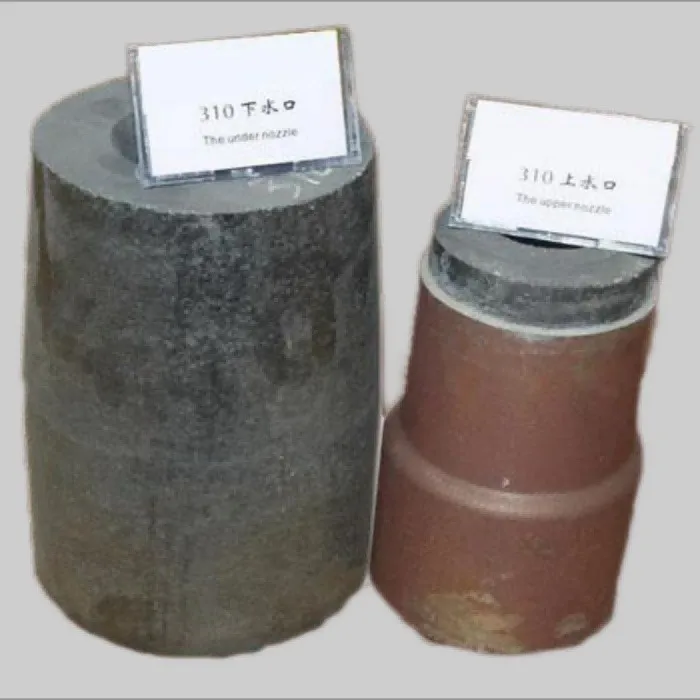
When the molten metal is poured through the nozzle, the sudden increase in temperature can create internal stresses within the monolithic material. If the material can't handle these stresses, it will start to crack. Once cracks form, they can quickly spread, leading to the failure of the nozzle. This is a major concern for industries that rely on continuous and efficient metal pouring, like those using Tundish Nozzle in steel plants.
4. Erosion and Corrosion
Erosion and corrosion are common problems with monolithic refractory nozzles. The constant flow of molten metal can wear away the inner surface of the nozzle over time. The high - velocity flow of the metal, combined with its chemical composition, can cause significant erosion.
Corrosion is another issue, especially when the molten metal contains reactive elements. These elements can react with the refractory material, gradually deteriorating it. This not only shortens the lifespan of the nozzle but also affects the quality of the poured metal. For instance, in a Refractory Ladle Nozzle, if the nozzle is corroded, it can contaminate the molten metal with refractory particles, which is a big no - no in high - quality metal production.
5. Cost - Effectiveness in the Long Run
While monolithic refractory nozzles may seem cost - effective at first glance, when you consider the long - term costs, they may not be the best option. The installation and repair costs, along with the shorter lifespan due to the issues mentioned above, can add up over time.
You have to factor in the cost of downtime during installation and repair, as well as the cost of replacing the nozzle more frequently. In comparison, other types of nozzles may have a higher upfront cost but can offer better long - term value due to their durability and ease of maintenance.
6. Material Homogeneity
Ensuring material homogeneity in monolithic refractory nozzles can be a challenge. During the manufacturing process, it's difficult to achieve a completely uniform distribution of the refractory materials in the mixture. This can lead to variations in the properties of the nozzle.
For example, some areas of the nozzle may have better thermal conductivity or strength than others. These variations can cause uneven wear and tear, which can ultimately lead to premature failure of the nozzle. In applications where consistent performance is crucial, such as in precision metal casting, this lack of material homogeneity can be a significant disadvantage.
7. Difficulty in Inspection
Inspecting monolithic refractory nozzles is not straightforward. Since it's a single - piece structure, it's hard to detect internal defects. Non - destructive testing methods may not be as effective in detecting hidden cracks or areas of weakness within the nozzle.
This means that potential problems may go unnoticed until it's too late. By the time a failure occurs, it could have already caused significant disruptions to the production process. In contrast, modular nozzles allow for easier inspection of individual components, making it easier to identify and address issues before they become major problems.
Despite these disadvantages, it's important to note that monolithic refractory nozzles still have their place in the market. They can be a good choice for some applications where the specific drawbacks are not a major concern. However, as a supplier, I always make sure to educate my clients about these potential issues so that they can make an informed decision.
If you're in the market for refractory nozzles and want to discuss your specific needs, I'd love to have a chat. Whether you're dealing with the challenges of monolithic nozzles or exploring other options, I can provide you with the best solutions based on your requirements. Let's work together to find the right refractory nozzle for your business.
References
- "Refractory Materials in Metallurgical Processes" - A comprehensive book on refractory materials and their applications in the metal industry.
- Industry reports on refractory nozzle performance and reliability.