

Chemical resistance is a crucial property for many industrial materials, especially in high - temperature and corrosive environments. As a supplier of AZS (Alumina - Zirconia - Silica) blocks, I am often asked about the chemical resistance of these products. In this blog, I will delve into the factors that influence the chemical resistance of AZS blocks, their performance against different chemical substances, and the significance of this property in various industrial applications.
Composition and Structure of AZS Blocks
AZS blocks are made through a special manufacturing process called fusion casting. The main components of AZS blocks are alumina (Al₂O₃), zirconia (ZrO₂), and silica (SiO₂). The unique combination of these three oxides gives AZS blocks their excellent properties, including high - temperature resistance and chemical resistance.
The structure of AZS blocks consists of a matrix of corundum (Al₂O₃) and baddeleyite (ZrO₂) crystals, with a glassy phase filling the spaces between the crystals. The proportion of these components and their distribution in the structure have a significant impact on the chemical resistance of the AZS blocks. For example, a higher content of zirconia generally enhances the corrosion resistance of the blocks, as zirconia has a high melting point and good chemical stability.
Factors Affecting Chemical Resistance
Temperature
Temperature is one of the most important factors affecting the chemical resistance of AZS blocks. At high temperatures, chemical reactions occur more rapidly, and the corrosive substances become more active. The glassy phase in AZS blocks can soften and flow at high temperatures, which may expose the underlying crystals to corrosive agents. However, the high - melting - point crystals of corundum and baddeleyite can still provide a certain degree of protection. In general, the chemical resistance of AZS blocks decreases with increasing temperature, but they can still maintain relatively good performance in high - temperature environments compared to many other materials.
Chemical Composition of the Corrosive Agent
The chemical nature of the corrosive agent also plays a vital role. Different chemicals react with AZS blocks in different ways. For acidic substances, such as sulfuric acid and hydrochloric acid, the silica in the glassy phase of AZS blocks can react with the acid, leading to the dissolution of the glassy phase. However, the corundum and baddeleyite crystals are relatively stable against acids. In the case of alkaline substances, such as sodium hydroxide and potassium hydroxide, the alumina in the AZS blocks can react with the alkali, forming soluble aluminates. The zirconia, on the other hand, has better resistance to alkalis.
Contact Time
The longer the AZS blocks are in contact with the corrosive agent, the more severe the corrosion will be. Prolonged exposure allows the corrosive substances to penetrate deeper into the structure of the blocks, gradually eroding the crystals and the glassy phase. Therefore, in industrial applications, minimizing the contact time between AZS blocks and corrosive agents can help to extend their service life.
Chemical Resistance Against Different Substances
Molten Glass
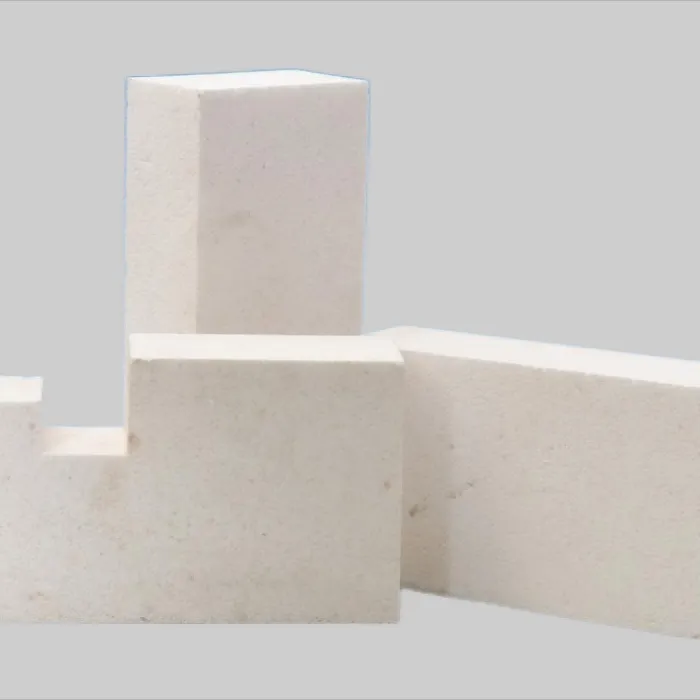
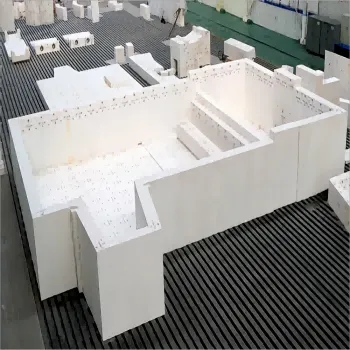
One of the most common applications of AZS blocks is in the glass industry. AZS blocks are widely used in glass melting furnaces due to their excellent resistance to molten glass. Molten glass is a complex mixture of various oxides, and it can be highly corrosive at high temperatures. The zirconia in AZS blocks forms a protective layer on the surface when in contact with molten glass, which can effectively prevent the further penetration of the glass into the block. The corundum crystals also contribute to the overall resistance by providing a stable structure. Fused Cast Azs Block are specifically designed for such applications, offering long - term performance in the harsh environment of glass melting.
Slag
In the metallurgical industry, AZS blocks may be exposed to slag, which is a by - product of the metal - smelting process. Slag contains various oxides, such as calcium oxide, magnesium oxide, and iron oxide, and can be either acidic or alkaline depending on its composition. AZS blocks can resist the corrosion of slag to a certain extent. The high - melting - point crystals in AZS blocks can withstand the high - temperature and corrosive environment of slag. However, the performance may vary depending on the specific composition of the slag. For example, alkaline slag may react more readily with the alumina in AZS blocks compared to acidic slag.
Chemical Gases
In some industrial processes, AZS blocks may be exposed to chemical gases, such as sulfur dioxide and chlorine. These gases can react with the components of AZS blocks under certain conditions. For instance, sulfur dioxide can react with the alkaline components in the glassy phase of AZS blocks, forming sulfates. Chlorine can also react with the metals present in the blocks, leading to corrosion. However, the dense structure of AZS blocks and the stability of the corundum and baddeleyite crystals can provide some protection against these chemical gases.
Significance of Chemical Resistance in Industrial Applications
The excellent chemical resistance of AZS blocks makes them indispensable in many industrial applications. In the glass industry, the use of AZS Brick in glass melting furnaces can significantly improve the quality of the glass products by reducing the contamination from the furnace lining. The long - term stability of AZS blocks in contact with molten glass also reduces the frequency of furnace repairs and replacements, resulting in cost savings for glass manufacturers.
In the metallurgical industry, Zirconia Corundum Brick can be used in ladles, tundishes, and other equipment to resist the corrosion of slag and molten metals. This helps to ensure the smooth operation of the metallurgical processes and improves the efficiency of metal production.
Conclusion
In conclusion, the chemical resistance of AZS blocks is a complex property that is influenced by various factors, including temperature, the chemical composition of the corrosive agent, and contact time. The unique composition and structure of AZS blocks, with their high - melting - point corundum and baddeleyite crystals and glassy phase, give them excellent resistance to a wide range of corrosive substances, such as molten glass, slag, and chemical gases.
As a supplier of AZS blocks, I understand the importance of chemical resistance in industrial applications. Our products are carefully designed and manufactured to meet the high - quality standards required in different industries. Whether you are in the glass industry, metallurgical industry, or other related fields, our AZS blocks can provide reliable performance and long - term service.
If you are interested in purchasing AZS blocks for your industrial needs, I encourage you to contact us for further discussion. We can provide you with detailed product information, technical support, and customized solutions based on your specific requirements.
References
- "Handbook of Refractory Materials"
- "Corrosion and Protection of Industrial Materials"
- "Advances in Glass Technology"