

Product description
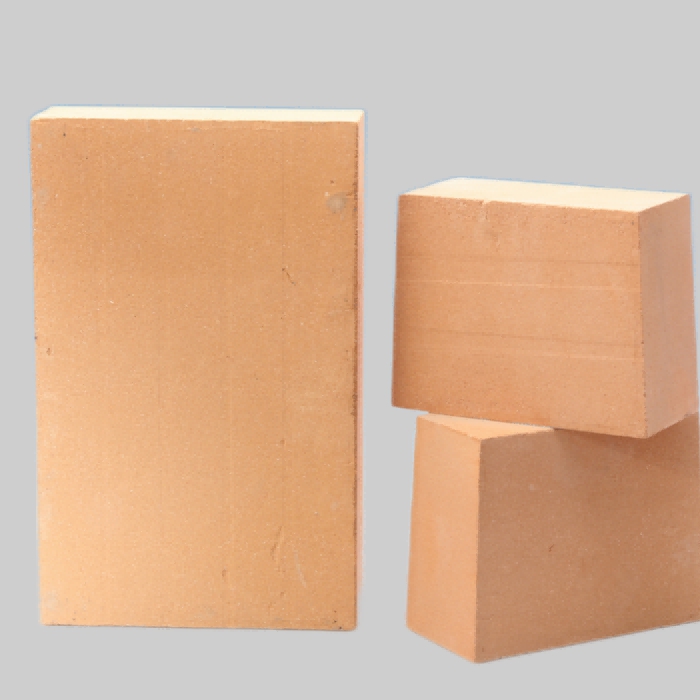
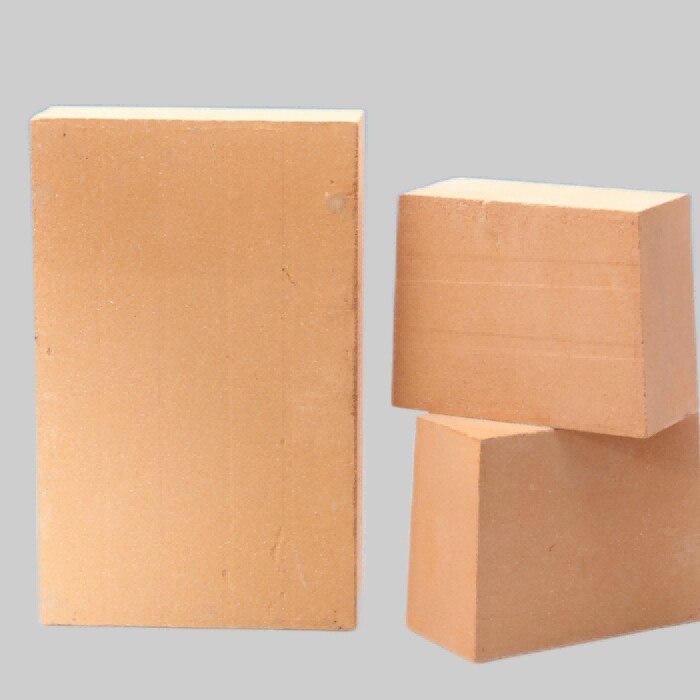
Light weight k23 soft fire brick is also named high-aluminium heat insulation brick, are used in building heat insulating walls or heat preserving walls, which is basically for preserving or insulation heat. Refractory insulation thermal brick contains more than 48% alumina oxide.
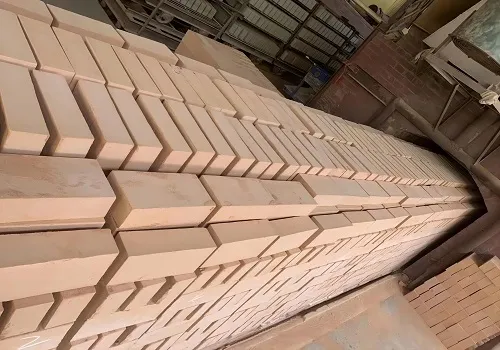
Advantages of CH Refractories manufactured k23 soft fire brick:
Selected raw materials: Sufficient raw materials and selected quality ensure product quality.
Standardized production workshop:We have sufficient production capacity for large-volume orders and can customize various refractory products.
Fully automated production:Strict control on product quality and standardized production workshops.
Sufficient stock:The large warehouse has sufficient supply to meet your various requirments and save your time.

Application of k23 soft fire brick:
Used in refractory hot surface linings and backing insulation layers of other refractory materials, Refractory insulation materials for industrial furnaces such as cracking furnace tubular heating furnaces, reforming furnaces, hot blast furnaces, ladle insulation linings, shuttle kilns, tunnel kilns, ceramic track kilns, and push plate kilns in the steel, metallurgical, and chemical industries.
Physical and chemical index of k23 soft fire brick
|
Brands |
Clay Insulation Brick |
|||
|
/ |
CH-NG-0.5 |
CH-NG-0.6 |
CH-NG-0.8 |
CH-NG-1.0 |
|
BD g/cm3 ≥ |
0.5 |
0.6 |
0.8 |
1 |
|
CCS/Mpa ≥ |
1.5 |
2 |
2.5 |
3.4 |
|
The reheating line changes by no more than 2% of the test temperature/℃≤ |
1250 |
1300 |
1350 |
1350 |
|
Thermal conductivity average temperature 350±25℃(W/m.k) |
0.18 |
0.25 |
0.35 |
0.5 |
|
0.1MpaRefractoriness under load (RUL)/℃ ≥ |
1160 |
1250 |
1280 |
1300 |
|
Fe2O3% |
2.5 |
2.5 |
2 |
2 |
|
Maximum use temperature/℃ |
1150 |
1200 |
1280 |
1300 |
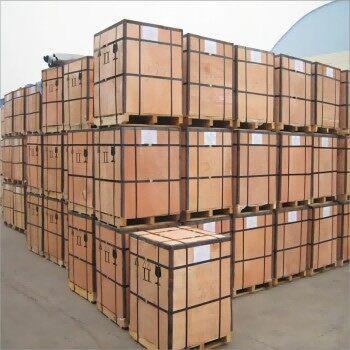
Packages and delivery:
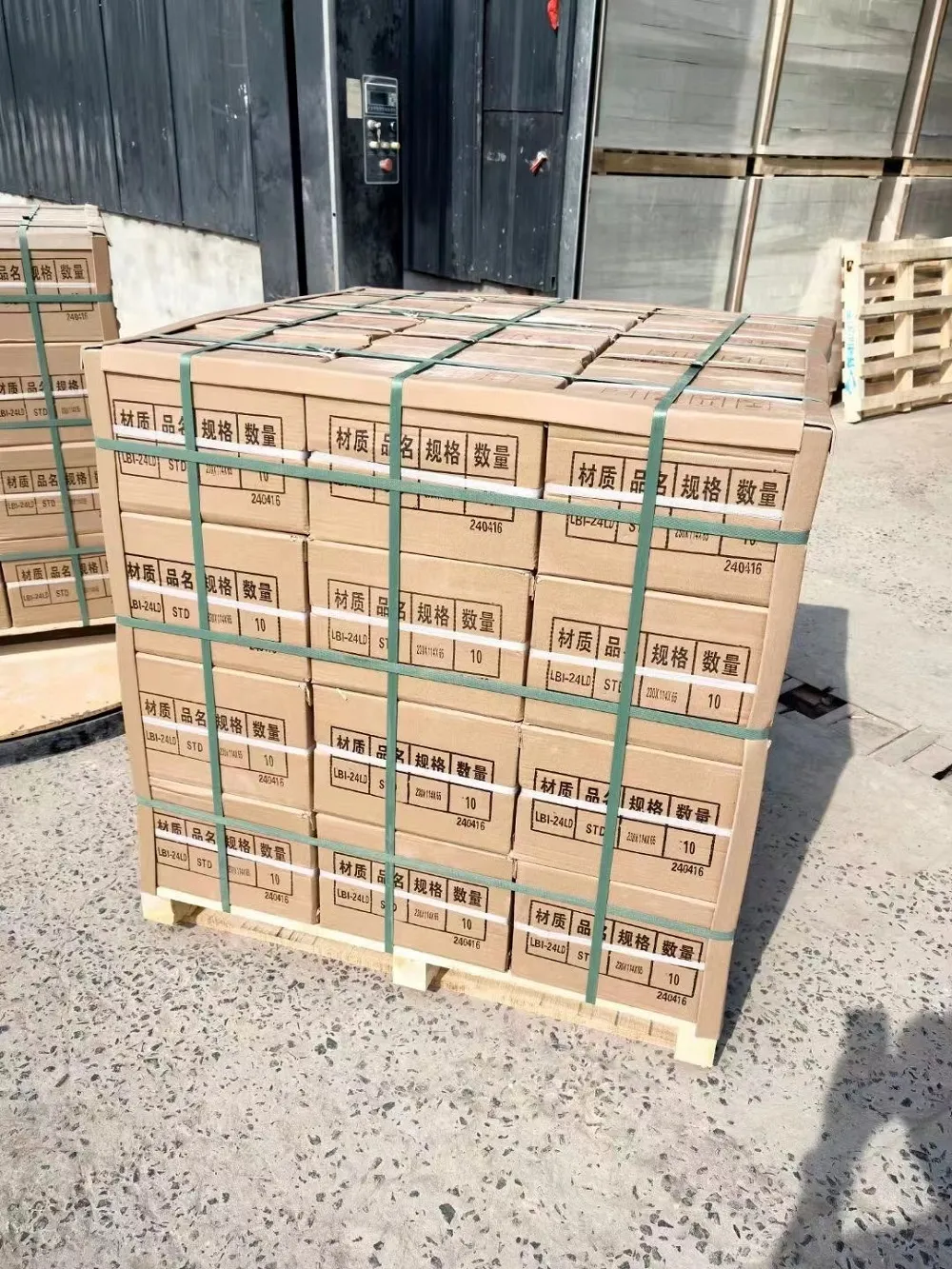
Physical and chemical index of k23 soft fire brick
|
Brands |
Clay Insulation Brick |
|||
|
/ |
CH-NG-0.5 |
CH-NG-0.6 |
CH-NG-0.8 |
CH-NG-1.0 |
|
BD g/cm3 ≥ |
0.5 |
0.6 |
0.8 |
1 |
|
CCS/Mpa ≥ |
1.5 |
2 |
2.5 |
3.4 |
|
The reheating line changes by no more than 2% of the test temperature/℃≤ |
1250 |
1300 |
1350 |
1350 |
|
Thermal conductivity average temperature 350±25℃(W/m.k) |
0.18 |
0.25 |
0.35 |
0.5 |
|
0.1MpaRefractoriness under load (RUL)/℃ ≥ |
1160 |
1250 |
1280 |
1300 |
|
Fe2O3% |
2.5 |
2.5 |
2 |
2 |
|
Maximum use temperature/℃ |
1150 |
1200 |
1280 |
1300 |


