


Product description
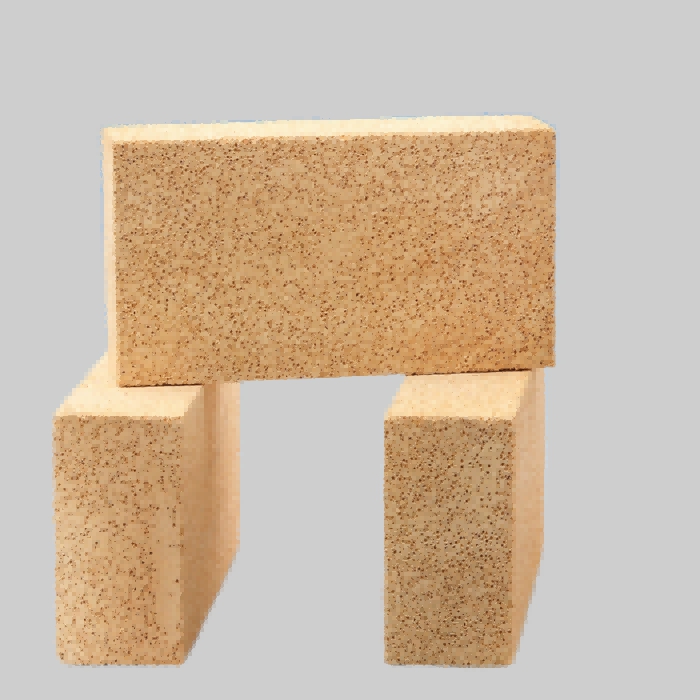
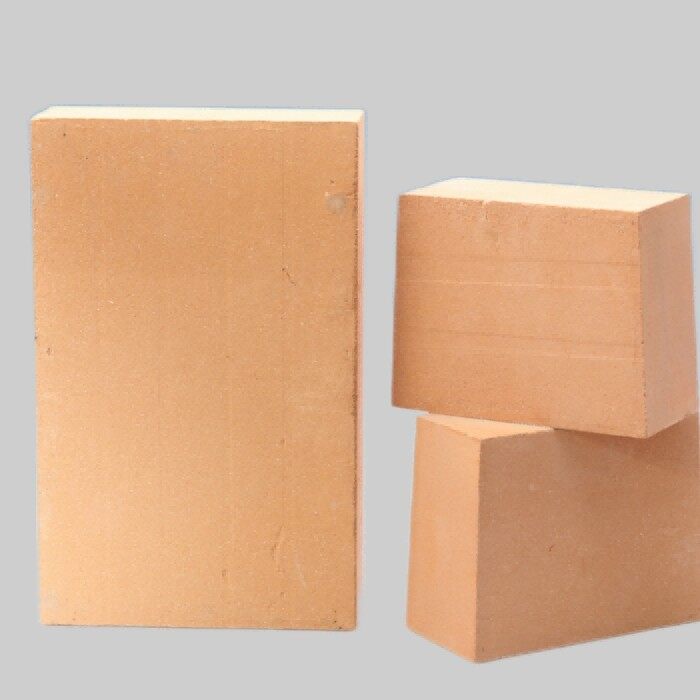
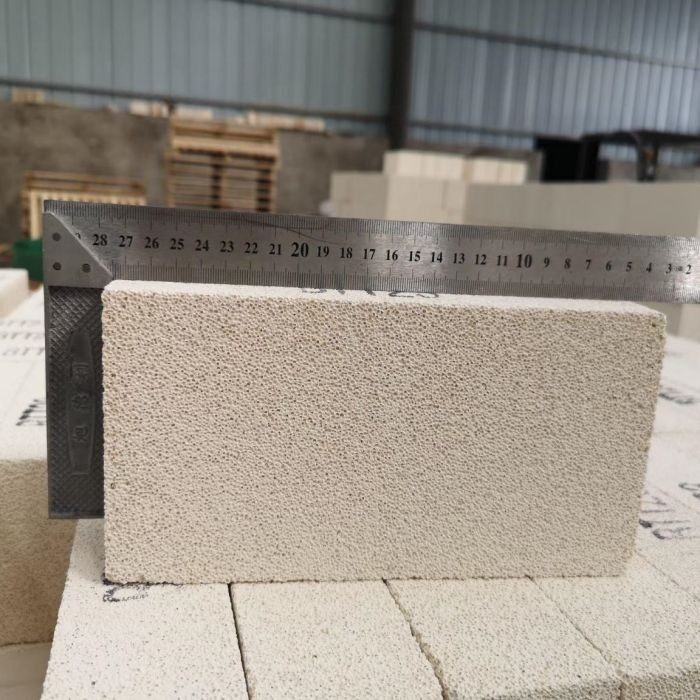
Light weight fire brick is to point to the finalize the design of refractory brick products for porous structure inside, bulky density is small, porosity is high, sex of heat insulation high temperature is excellent, also can call light firebrick or brick of light heat preservation. Use raw material according to material material is different, divide for a variety of, if be made with clay, silicon qualitative and high alumina etc. raw material is called light clay brick, light silicon brick and light high alumina brick.
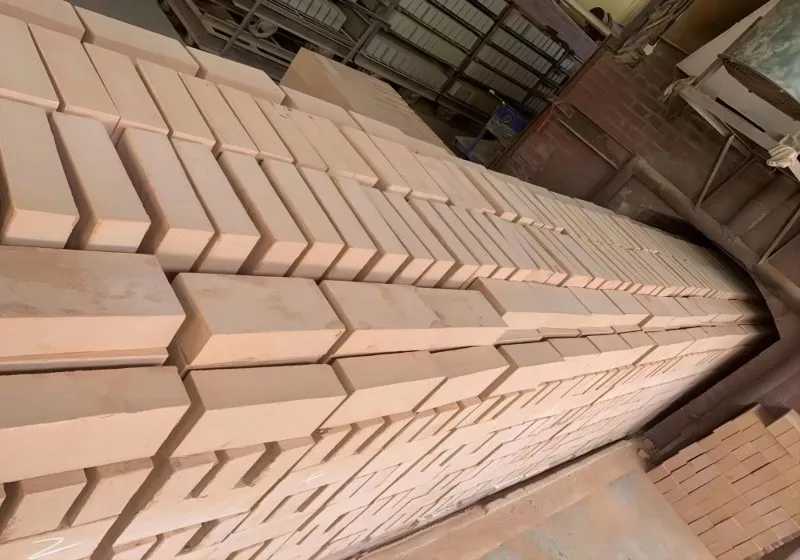
Advantages of light weight fire brick:
Low density: light weight fire brick use lightweight aggregate as the main raw material, making them less dense. Compared with traditional refractory bricks, it is lighter in weight, reduces structural load, and facilitates construction and
Excellent thermal insulation properties: light weight fire brick have low thermal conductivity, which can effectively isolate heat transfer inside and outside the furnace and improve energy utilization efficiency. At the same time, it can reduce the temperature rise of the outer wall, protect the furnace structure and reduce heat radiation loss.transportation.
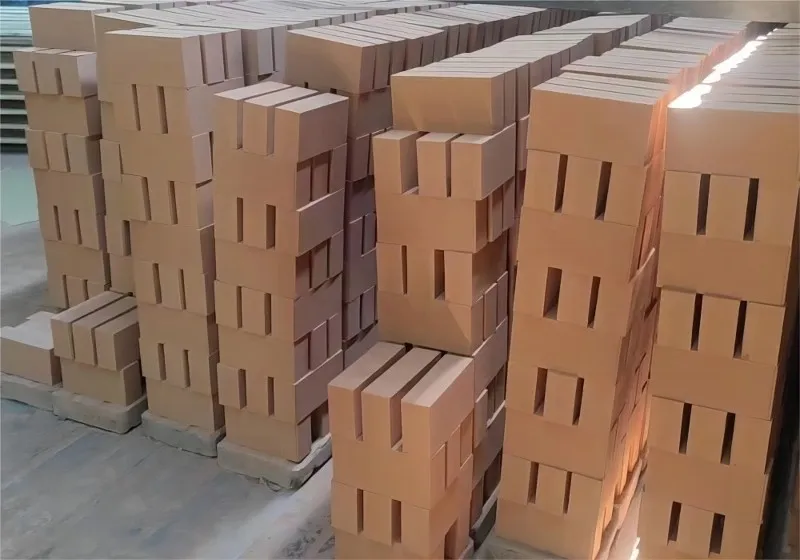
Physical and chemical index of light weight fire brick
|
Brands |
Clay Insulation Brick |
|||
|
/ |
CH-NG-0.5 |
CH-NG-0.6 |
CH-NG-0.8 |
CH-NG-1.0 |
|
BD g/cm3 ≥ |
0.5 |
0.6 |
0.8 |
1 |
|
CCS/Mpa ≥ |
1.5 |
2 |
2.5 |
3.4 |
|
The reheating line changes by no more than 2% of the test temperature/℃≤ |
1250 |
1300 |
1350 |
1350 |
|
Thermal conductivity average temperature 350±25℃(W/m.k) |
0.18 |
0.25 |
0.35 |
0.5 |
|
0.1MpaRefractoriness under load (RUL)/℃ ≥ |
1160 |
1250 |
1280 |
1300 |
|
Fe2O3% |
2.5 |
2.5 |
2 |
2 |
|
Maximum use temperature/℃ |
1150 |
1200 |
1280 |
1300 |
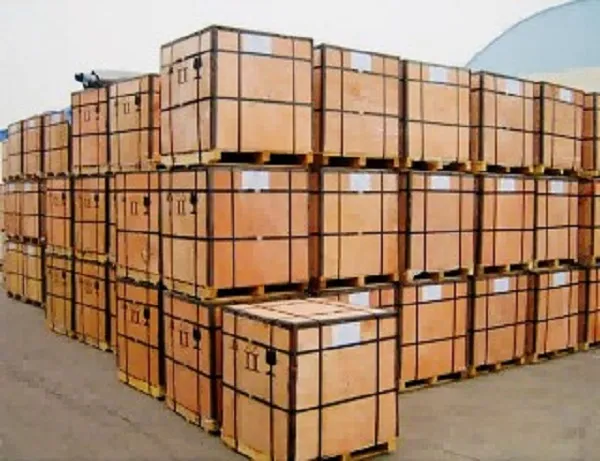
Packages and delivery:
Physical and chemical index of light weight fire brick
|
Brands |
Clay Insulation Brick |
|||
|
/ |
CH-NG-0.5 |
CH-NG-0.6 |
CH-NG-0.8 |
CH-NG-1.0 |
|
BD g/cm3 ≥ |
0.5 |
0.6 |
0.8 |
1 |
|
CCS/Mpa ≥ |
1.5 |
2 |
2.5 |
3.4 |
|
The reheating line changes by no more than 2% of the test temperature/℃≤ |
1250 |
1300 |
1350 |
1350 |
|
Thermal conductivity average temperature 350±25℃(W/m.k) |
0.18 |
0.25 |
0.35 |
0.5 |
|
0.1MpaRefractoriness under load (RUL)/℃ ≥ |
1160 |
1250 |
1280 |
1300 |
|
Fe2O3% |
2.5 |
2.5 |
2 |
2 |
|
Maximum use temperature/℃ |
1150 |
1200 |
1280 |
1300 |


