

Product description
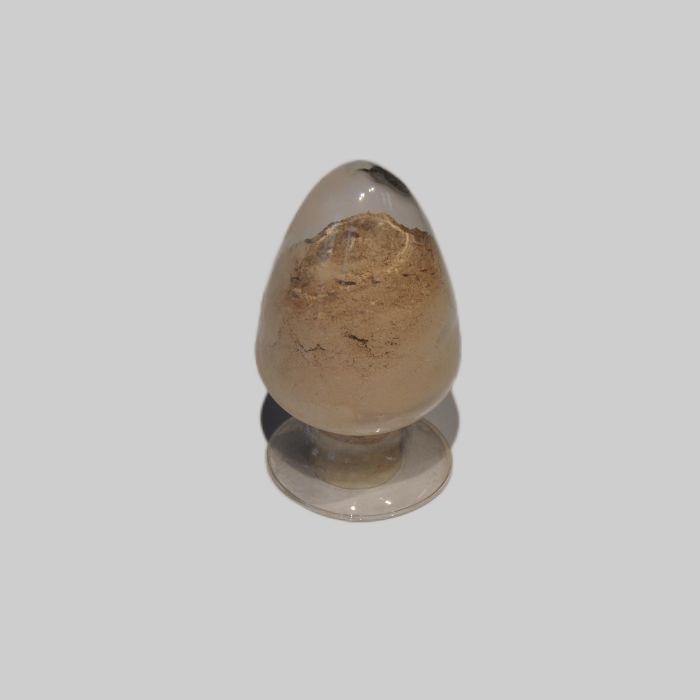
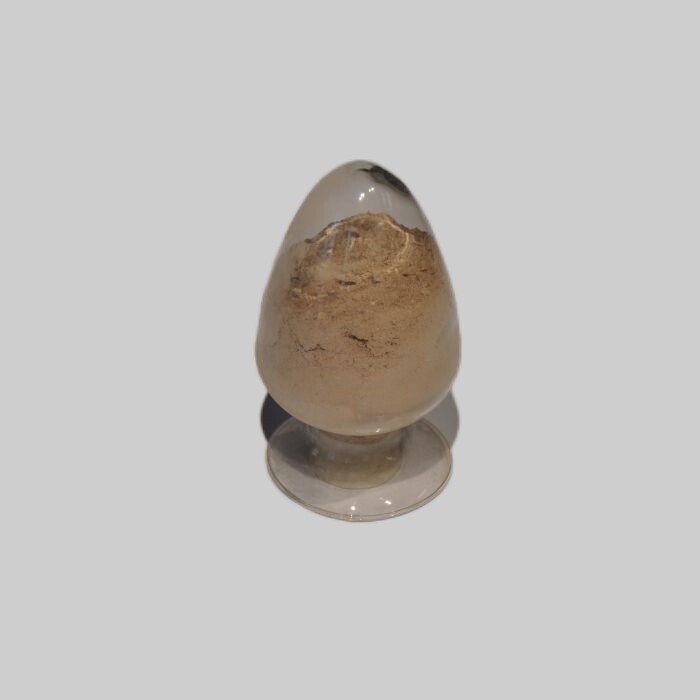
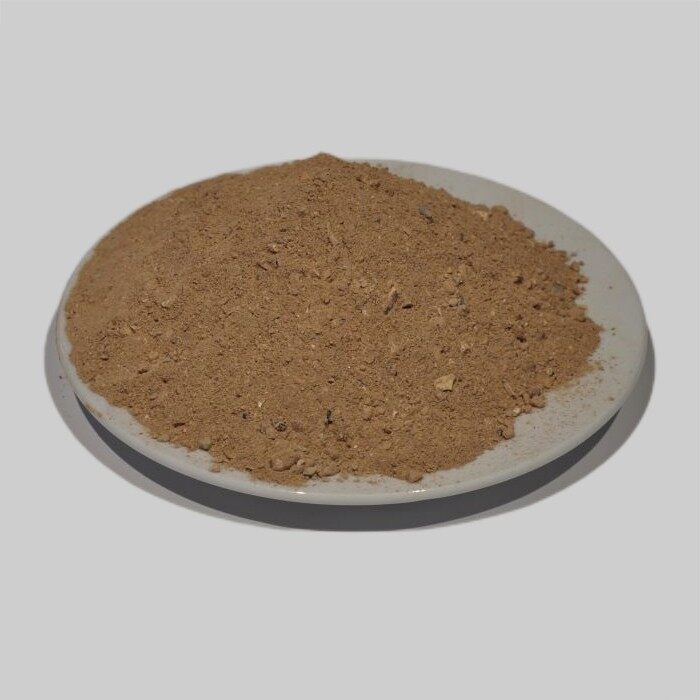
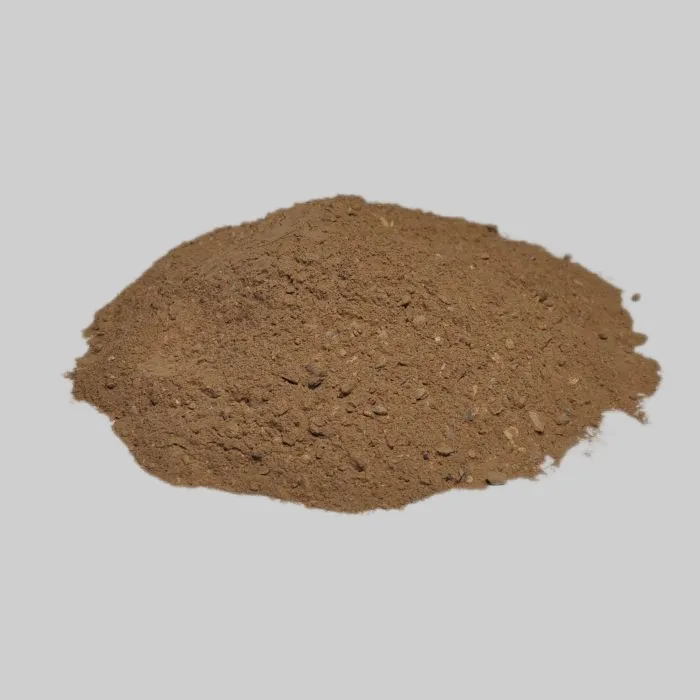
The Dry Barrier Material are high-performance building materials used for protection and isolation, and are widely used in places where isolation from moisture, air or other environmental influences is required.
Features
Waterproof and moisture-proof performance
The waterproof and moisture-proof performance of Dry Barrier Material is one of its most outstanding features. Our materials adopt a high-density composite structure, which can effectively prevent moisture penetration and keep the environment dry. In terms of waterproof effect, dry insulation materials can achieve more than 99% moisture isolation effect, which can provide stronger waterproof ability compared with traditional materials.
Excellent thermal insulation performance
The thermal insulation effect of our products is also excellent. Its internal molecular structure can effectively isolate the external temperature and keep the temperature of the internal environment stable. Secondly, the thermal conductivity of our materials can be as low as 0.02 W/m·K, which has better thermal insulation effect than traditional materials and can effectively reduce the energy consumption of heating and cooling.
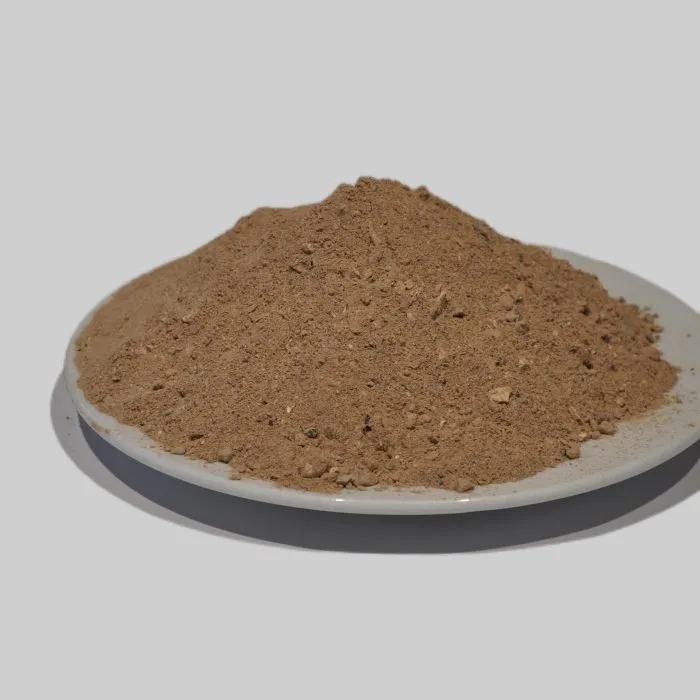
Physical and chemical index of dry barrier material
|
Item |
Unit |
Index |
|
SiO2+Al2O3 |
% |
≥80 |
|
SiO2 |
% |
50-60 |
|
Tap density |
g/cm3 |
≥1.93 |
|
Bulk density |
g/cm3 |
≥1.55 |
|
Thermal conductivity at 800℃ |
w/m.k |
≤0.45 |
|
Loss on ignition on dry basis |
% |
≤2 |
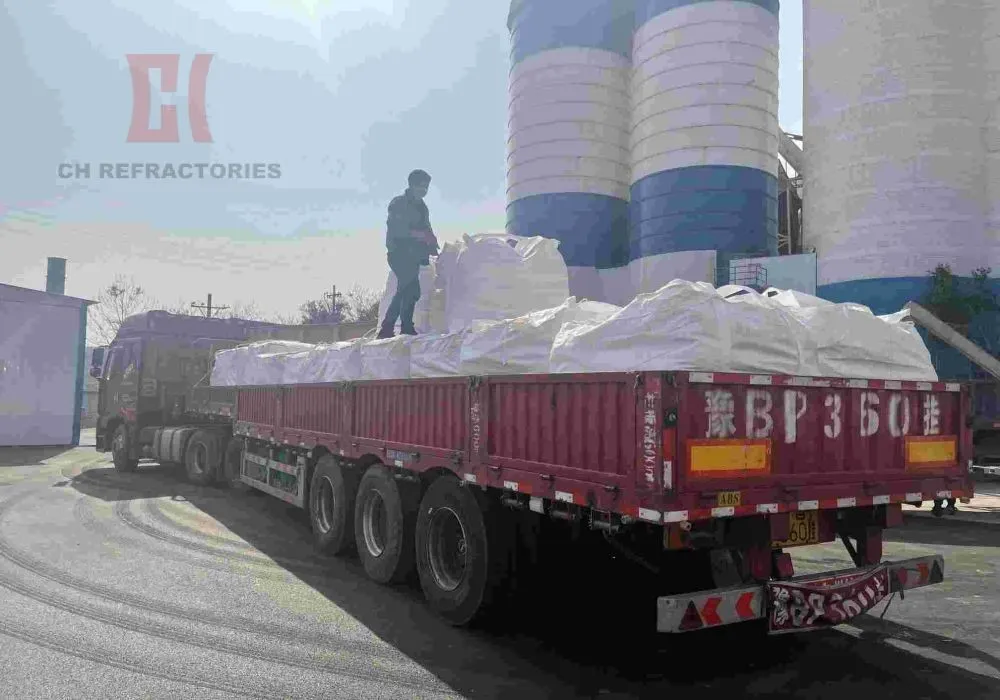
Packages
FAQ
Q: What is dry barrier material?
A: Dry barrier material is a type of protective material used to create a barrier against moisture, water, or air in various applications such as construction, insulation, and packaging. It prevents the movement of moisture or air through walls, floors, or surfaces.
Q: How does dry barrier material work?
A: Dry barrier material works by creating a physical or chemical barrier that prevents the passage of moisture, water, or air. It may be used as a vapor barrier, waterproof membrane, or air barrier to improve insulation and prevent damage from moisture.
Q: What are common types of dry barrier materials?
A: Common types include polyethylene films, foils, bituminous coatings, and special membranes made from synthetic materials. Each type has specific properties suited for different applications, such as moisture resistance, durability, and flexibility.
Q: Where is dry barrier material used in construction?
A: Dry barrier materials are typically used in foundations, roofs, walls, basements, and floors. They are often used as vapor barriers or waterproofing layers to prevent moisture-related issues in buildings.
Q: Why is it important to use dry barrier materials in construction?
A: Using dry barrier materials helps protect structures from water damage, mold growth, and the deterioration of building materials. It also improves energy efficiency by reducing heat loss or gain through unwanted air leaks.
Q: How do you install dry barrier materials?
A: Installation depends on the material type but generally involves applying the barrier to a surface, ensuring it's properly sealed at seams and joints. It may be adhered with adhesive, stapled, or mechanically fastened, depending on the application.
Q: Can dry barrier material be used for insulation?
A: Yes, dry barrier materials are often used in conjunction with insulation. They help improve the thermal performance of insulation by preventing the migration of moisture, which could reduce insulation effectiveness.
Q: What are the benefits of using dry barrier materials?
A: The benefits include improved moisture control, enhanced durability of structures, reduced risk of mold and mildew growth, better insulation, and overall energy efficiency.
Q: Are dry barrier materials environmentally friendly?
A: Some dry barrier materials are made from recyclable or sustainable materials, such as eco-friendly polyethylene. However, others may contain chemicals that require careful disposal. It's essential to choose materials based on environmental impact.
Q: How long does dry barrier material last?
A: The lifespan of dry barrier materials varies depending on the material type and the conditions to which it is exposed. High-quality materials can last for many years, while others may need replacement or maintenance if they degrade over time due to UV exposure or physical wear.
Physical and chemical index of dry barrier material
|
Item |
Unit |
Index |
|
SiO2+Al2O3 |
% |
≥80 |
|
SiO2 |
% |
50-60 |
|
Tap density |
g/cm3 |
≥1.93 |
|
Bulk density |
g/cm3 |
≥1.55 |
|
Thermal conductivity at 800℃ |
w/m.k |
≤0.45 |
|
Loss on ignition on dry basis |
% |
≤2 |


